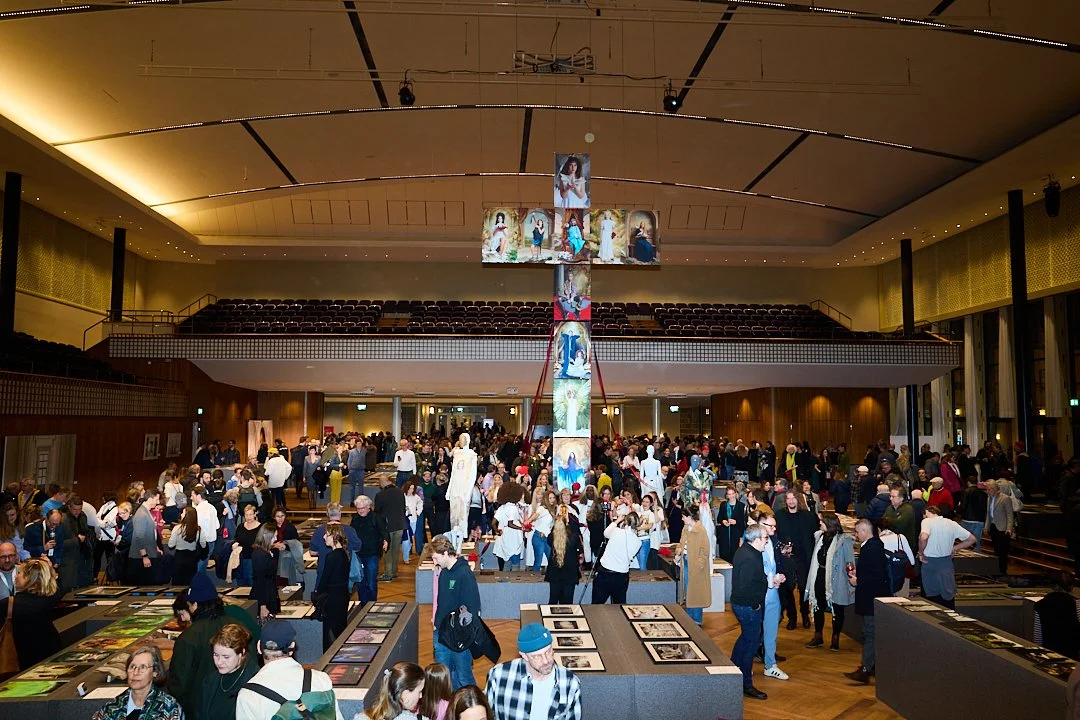
the Cross of the Peace Madonnas, PhotoSchweiz26 , Kongesshaus , Zürich
Photo Schweiz 2026 – Kongresshaus Zürich
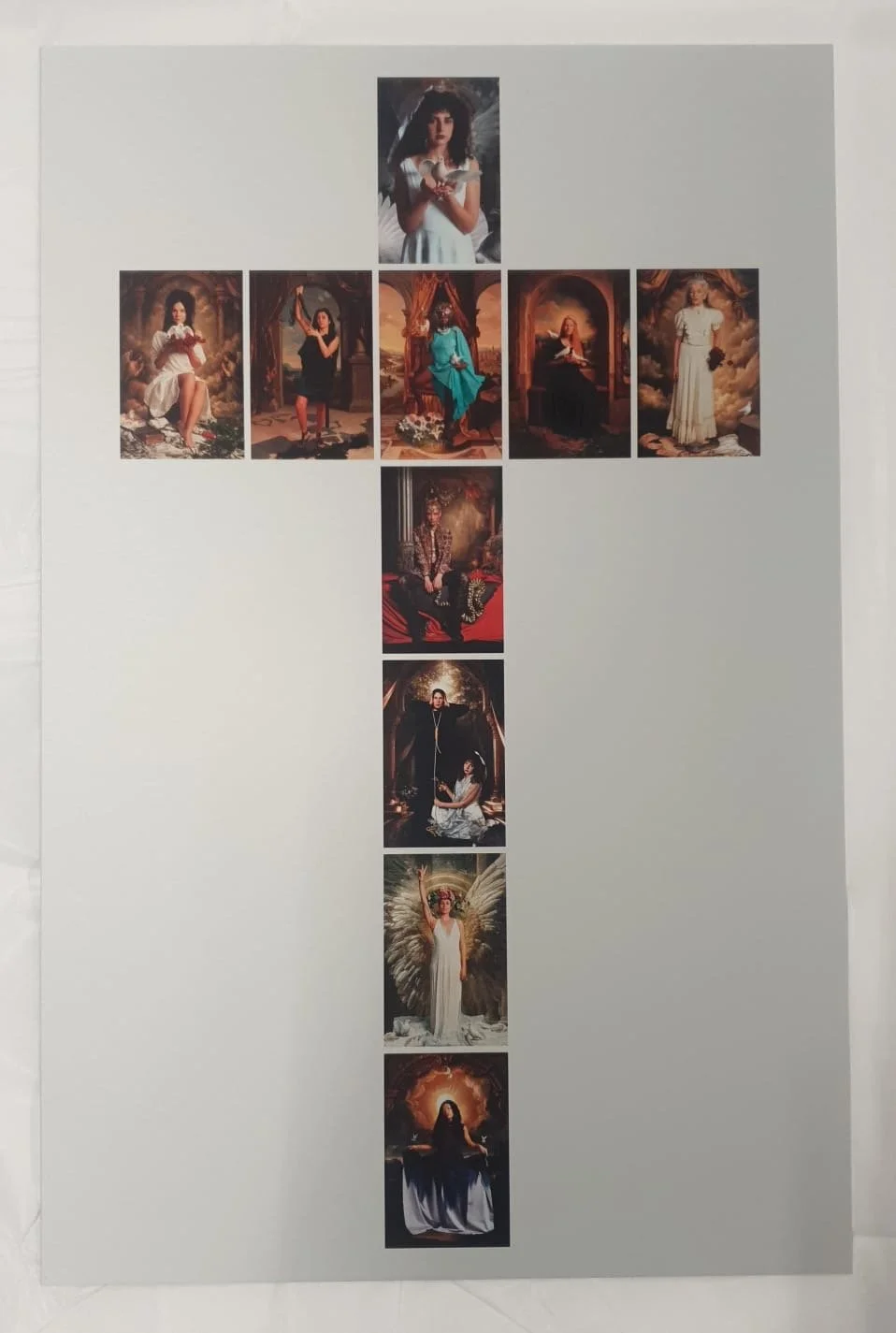
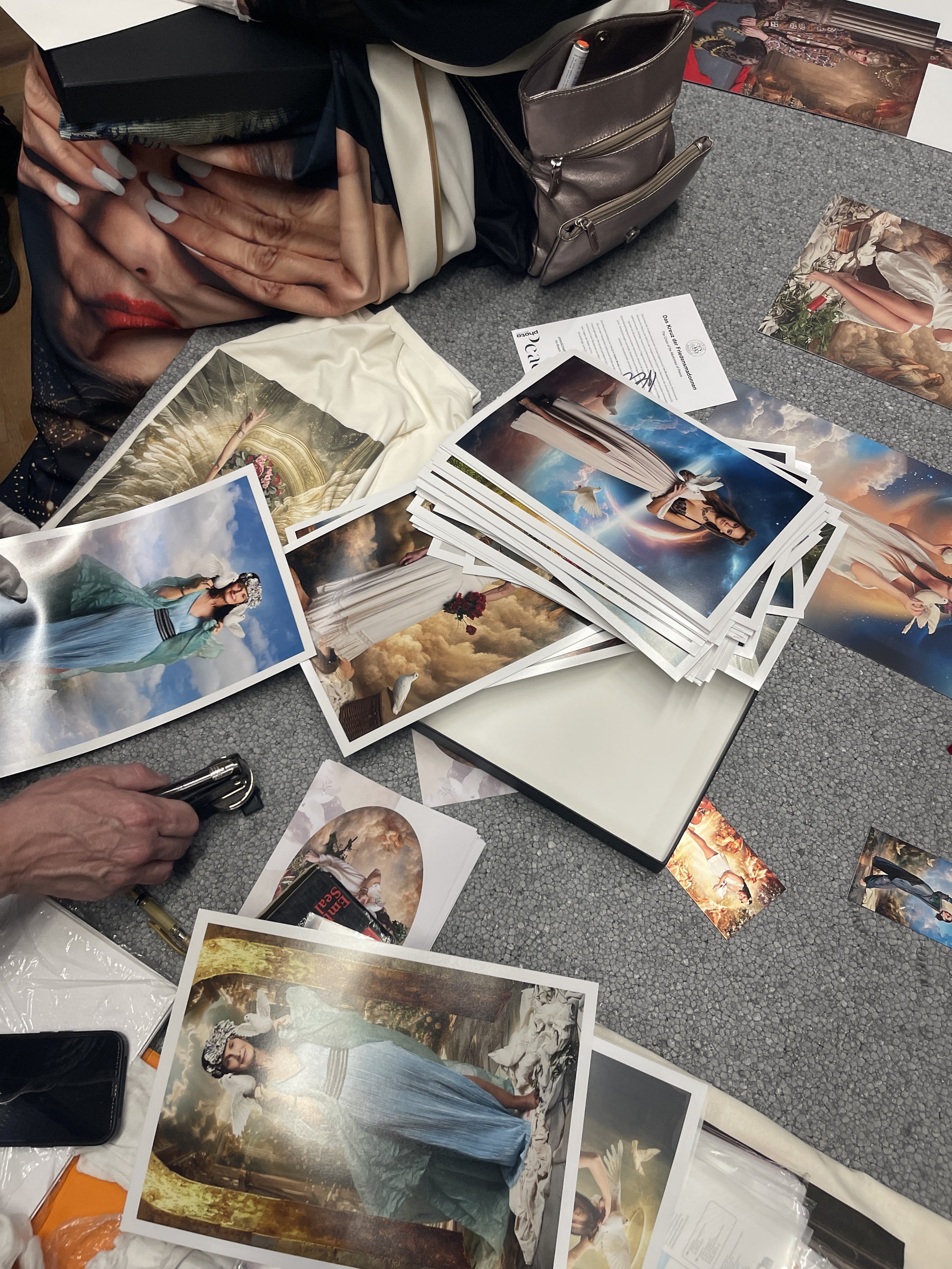
At Photo Schweiz25 , fifty women from diverse cultural and social backgrounds were photographed by Iris Brosch, embodying a collective vision of peace, equality, and social cohesion inspired by Aristophanes’ comedy Lysistrata.
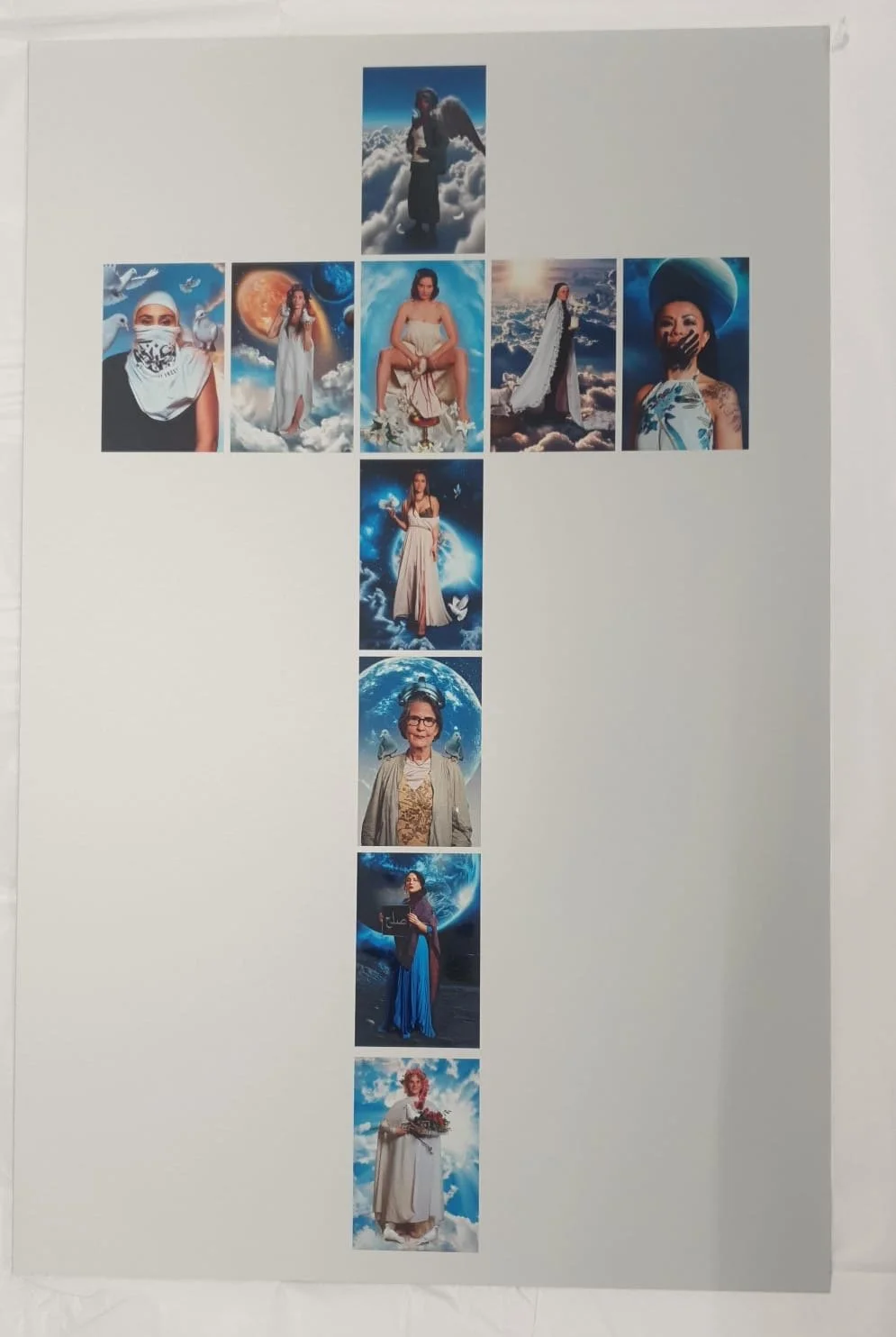
From this series of portraits, twenty contemporary Madonnas were selected and assembled into a six-meter-long cross.
The Cross of the Peace Madonnas functions not as a signifier of suffering, but as a visual articulation of feminine agency, protective presence, and collective sociocultural transformation. The work reinterprets traditional iconography of the Madonna and the cross, situating it within contemporary discourses on gender, identity, and collective authorship.
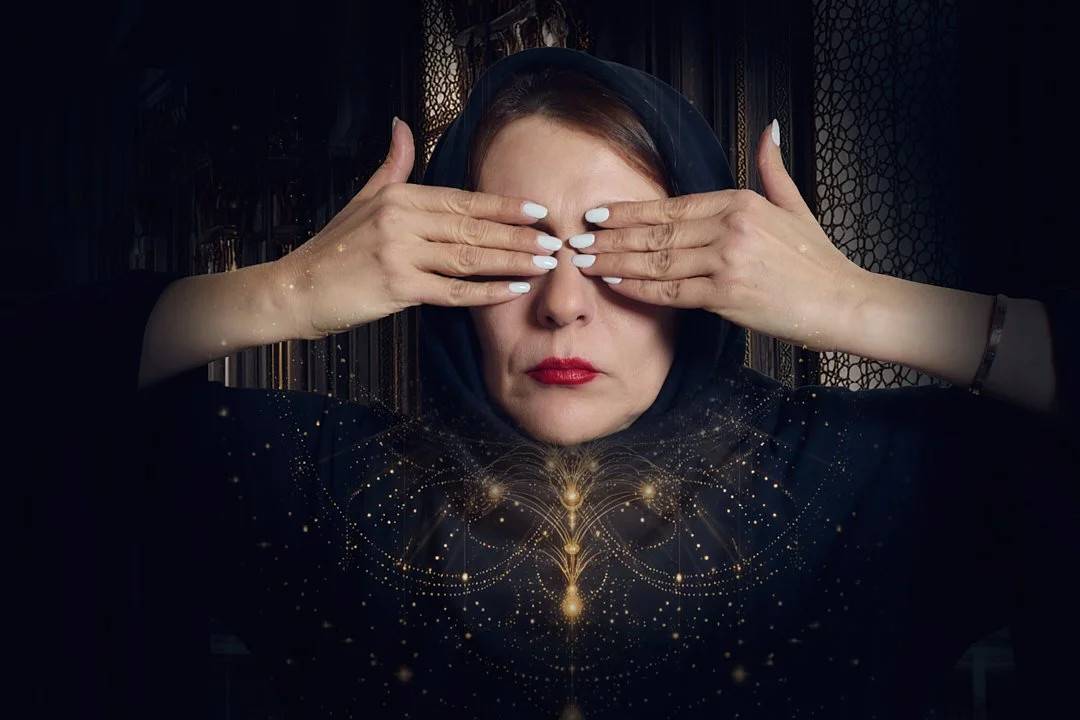
Women for PEACE
the Cross of the Peace Madonnas
By foregrounding the multiplicity of female subjectivities, Brosch challenges conventional hierarchies of representation, emphasizing the capacity of women to enact social and symbolic transformation. The installation operates simultaneously as a monumental photographic object and as a conceptual framework for exploring the intersections of art, ritual, and social praxis. Installed in the main hall of the Kongresshaus, the cross became the centerpiece of the vernissage of Photo Schweiz.
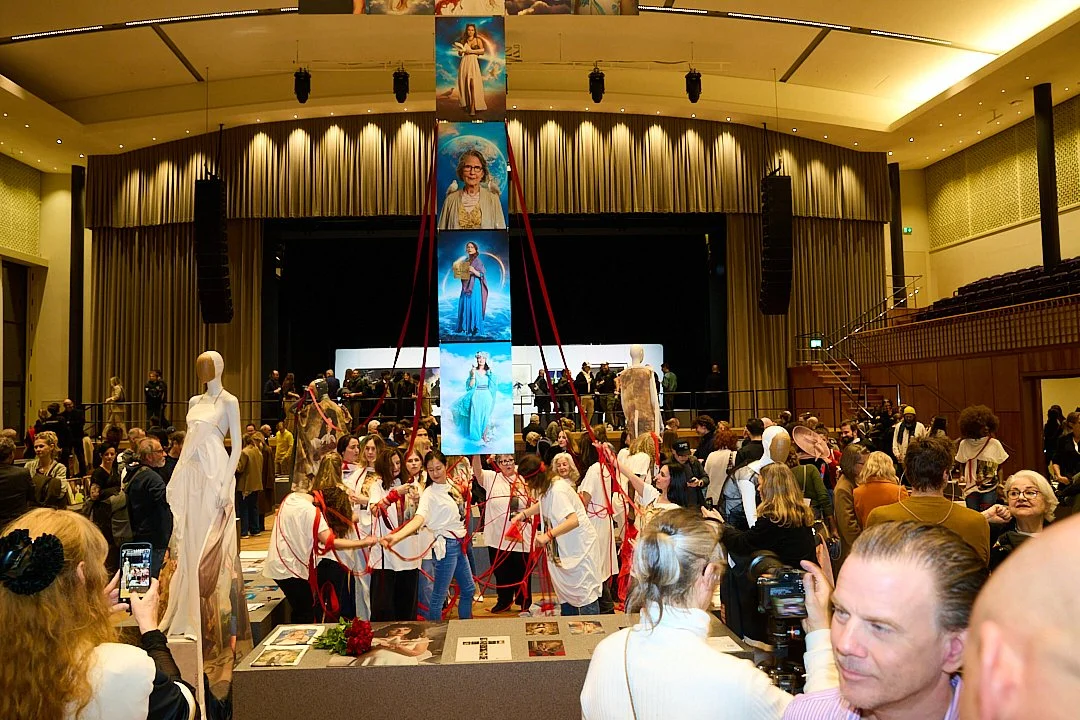
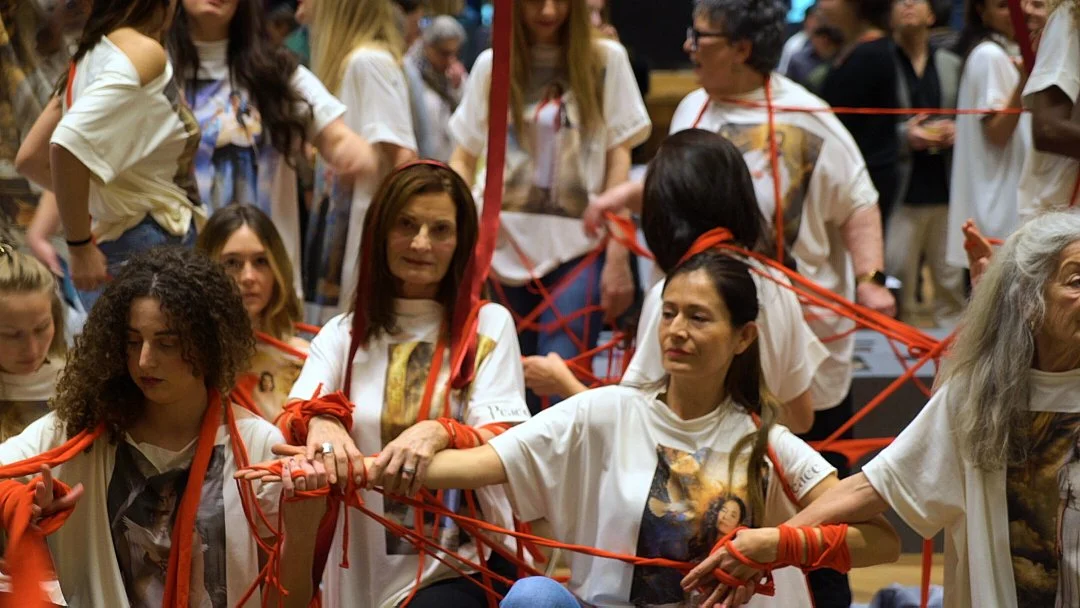
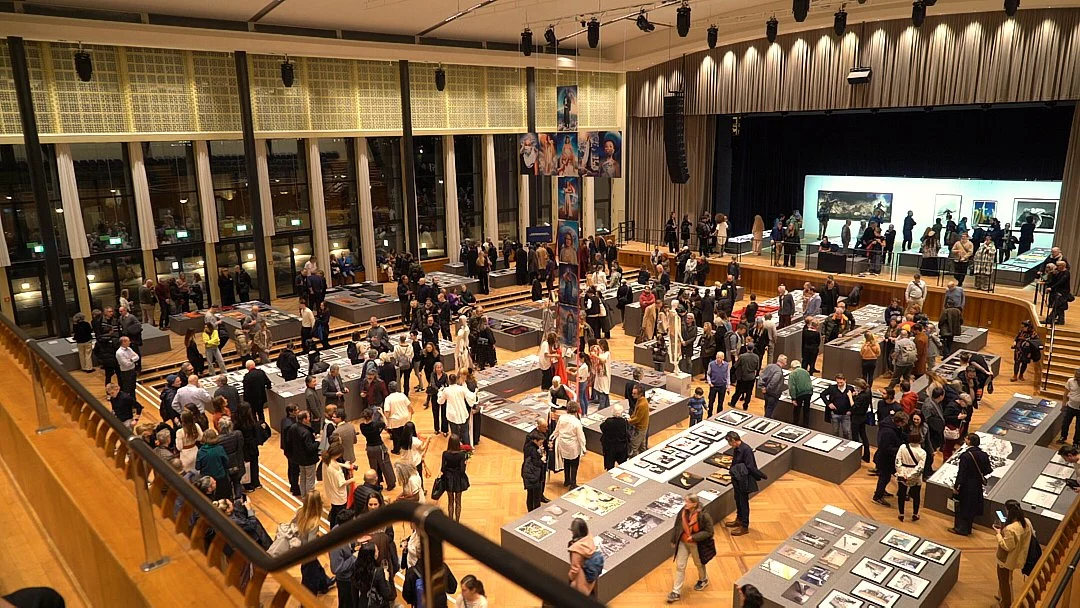
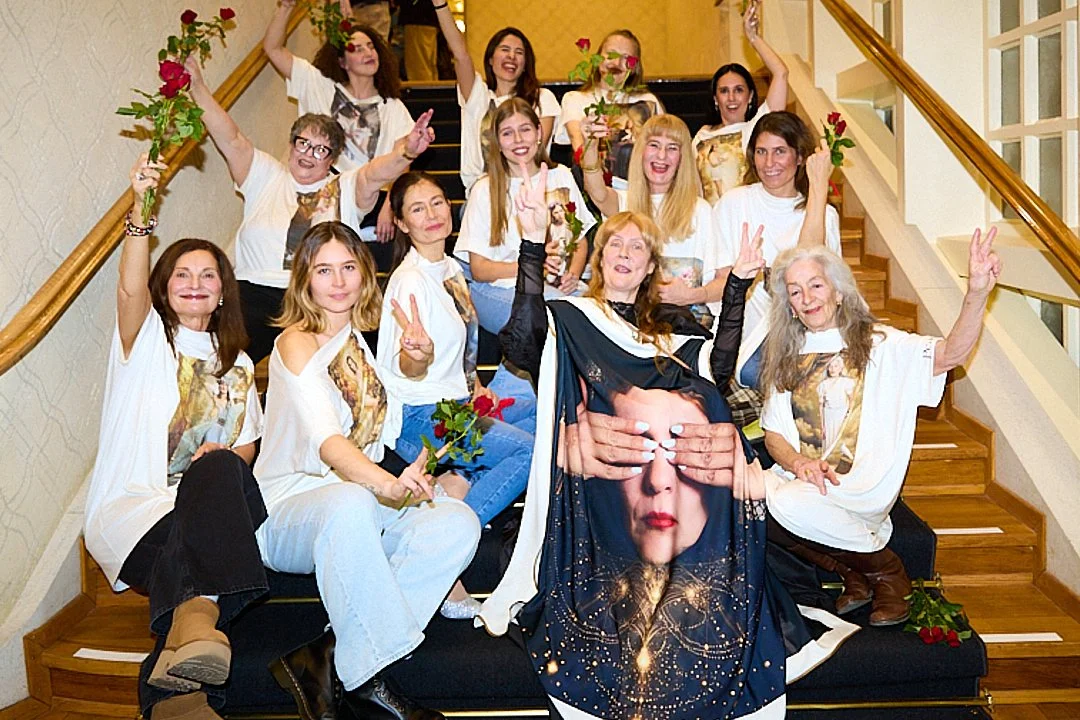
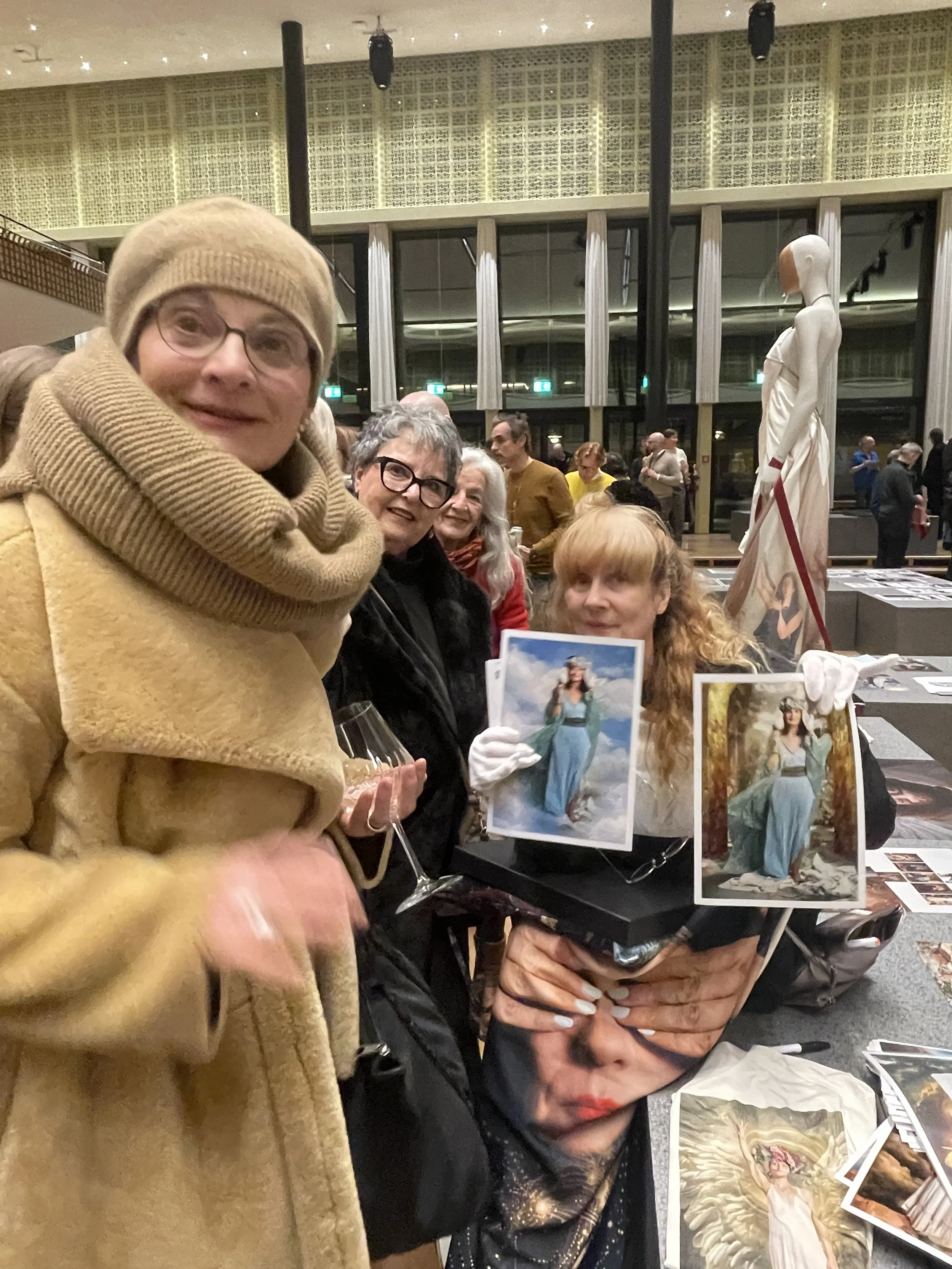
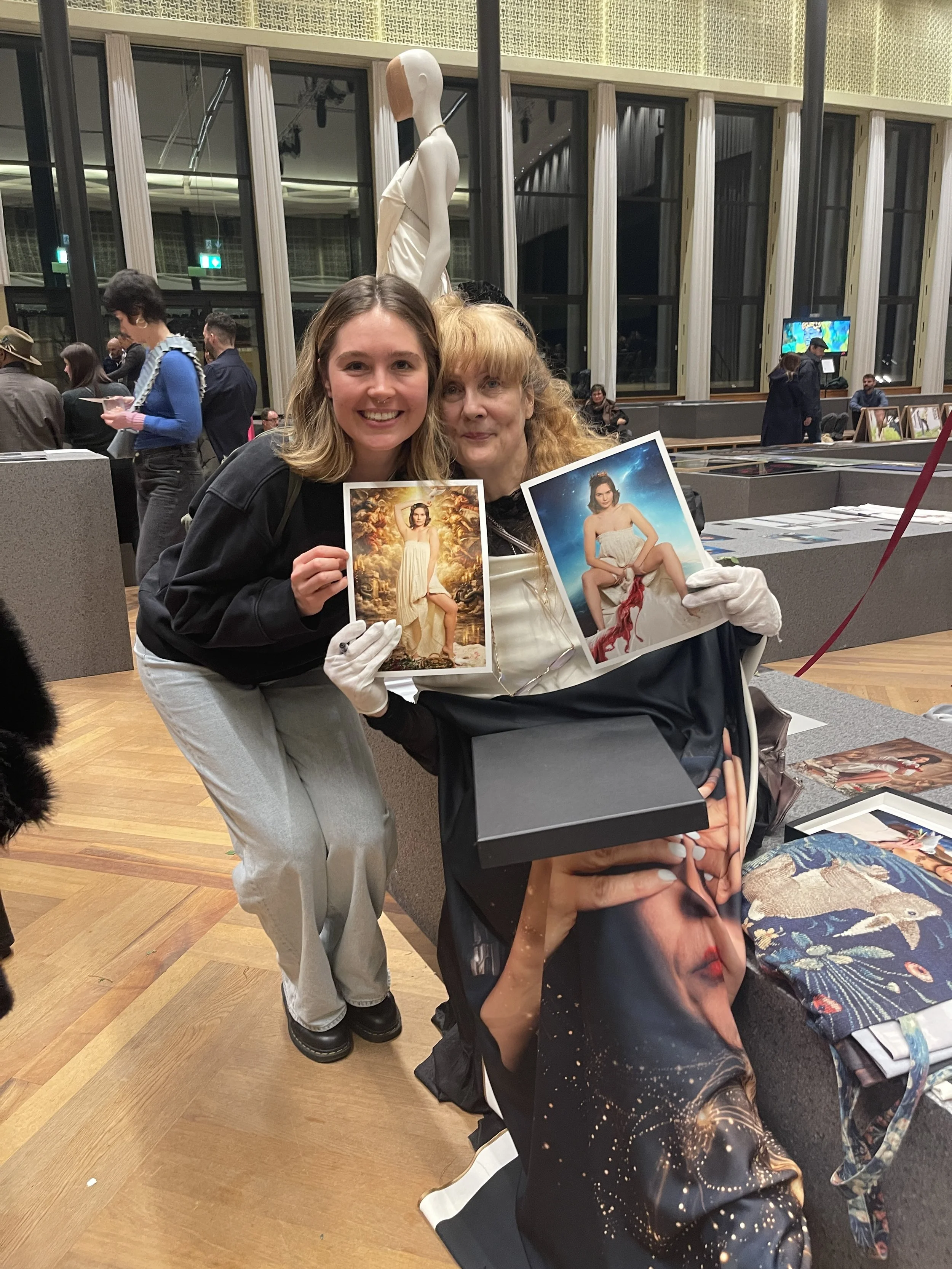
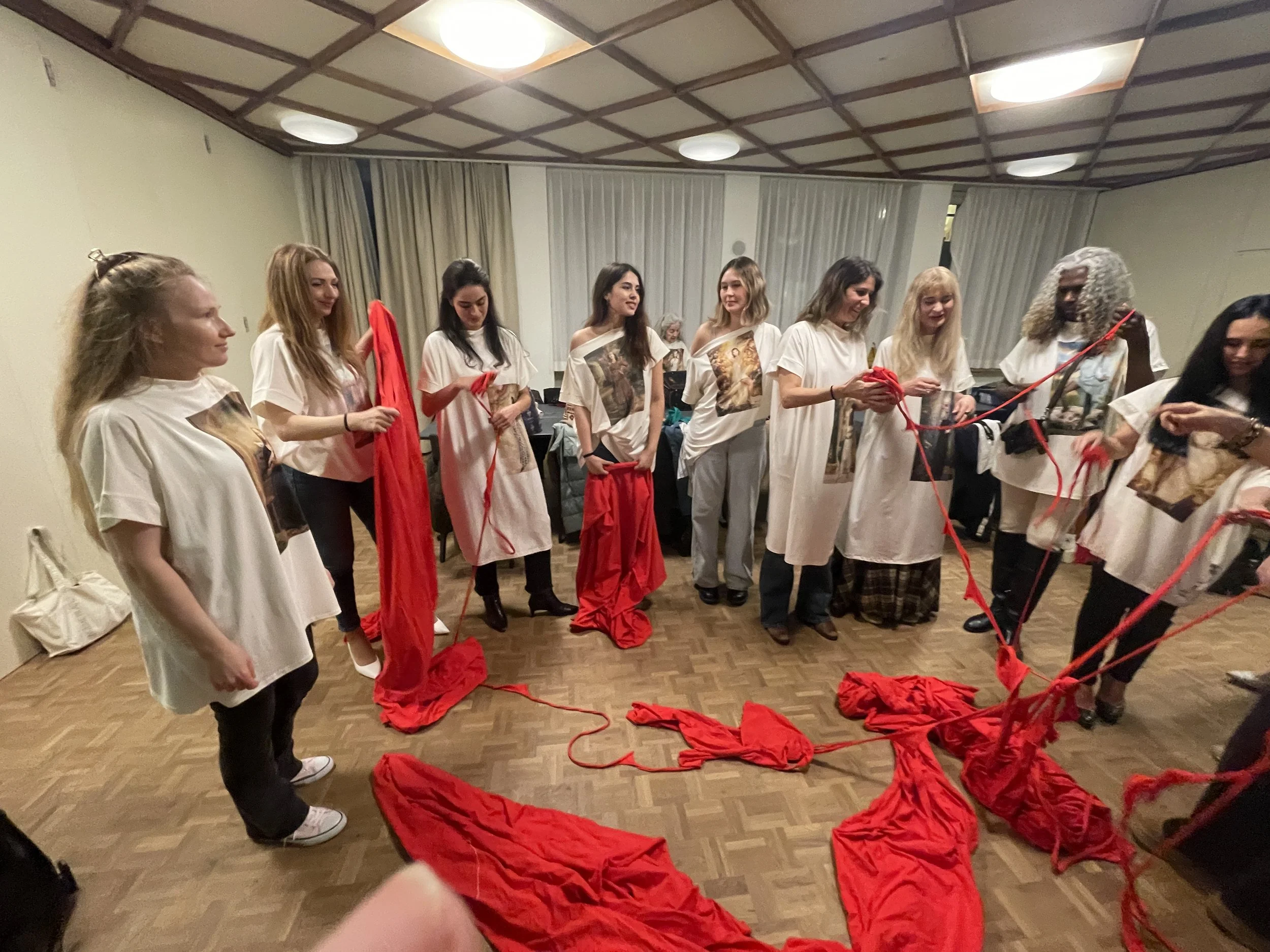
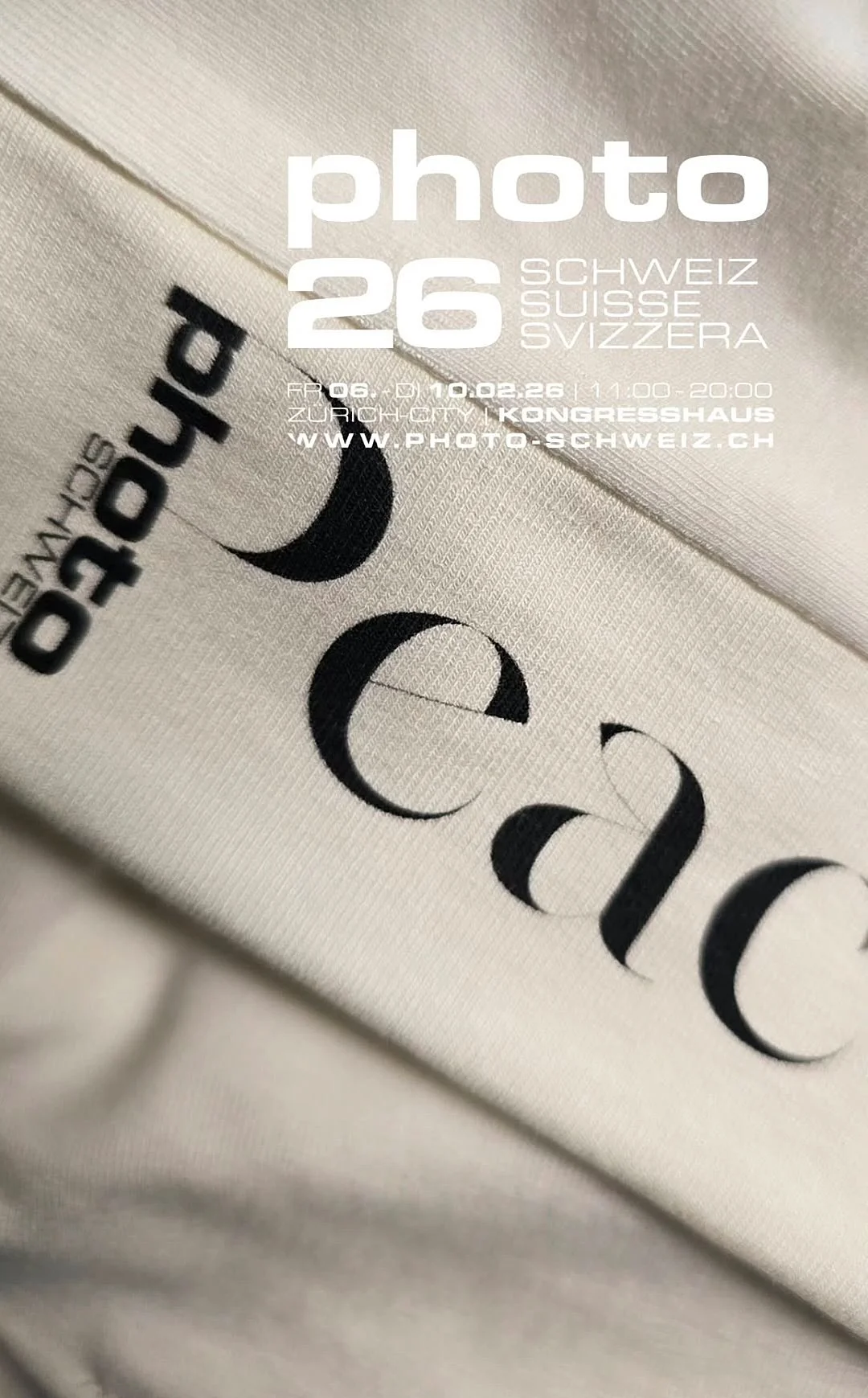
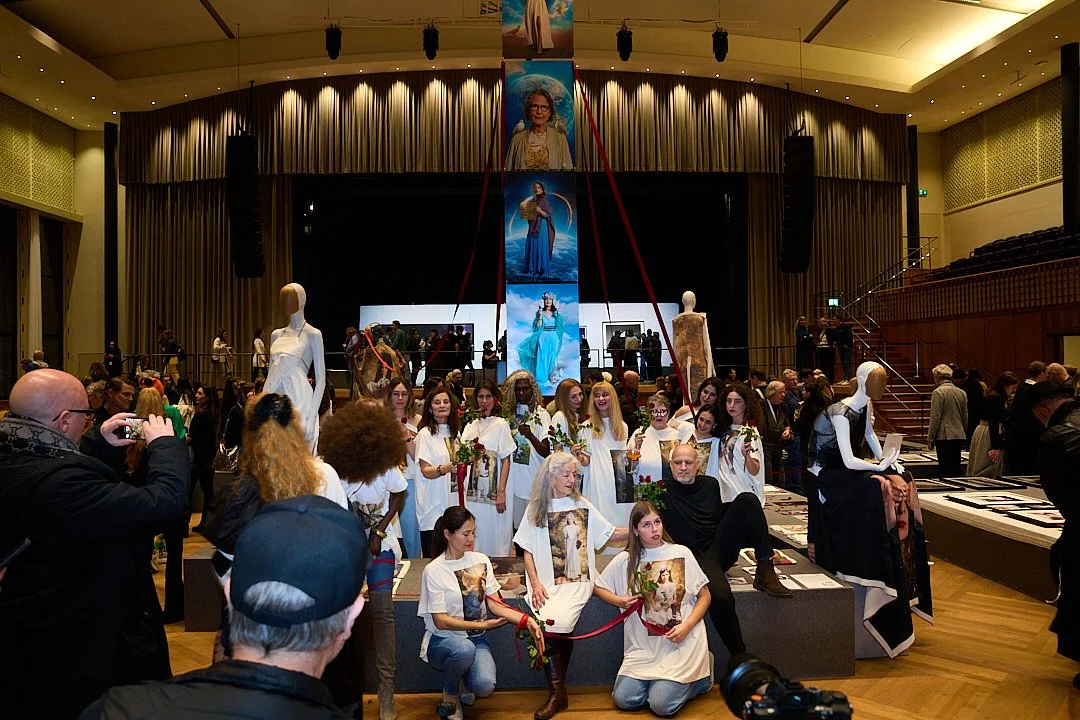
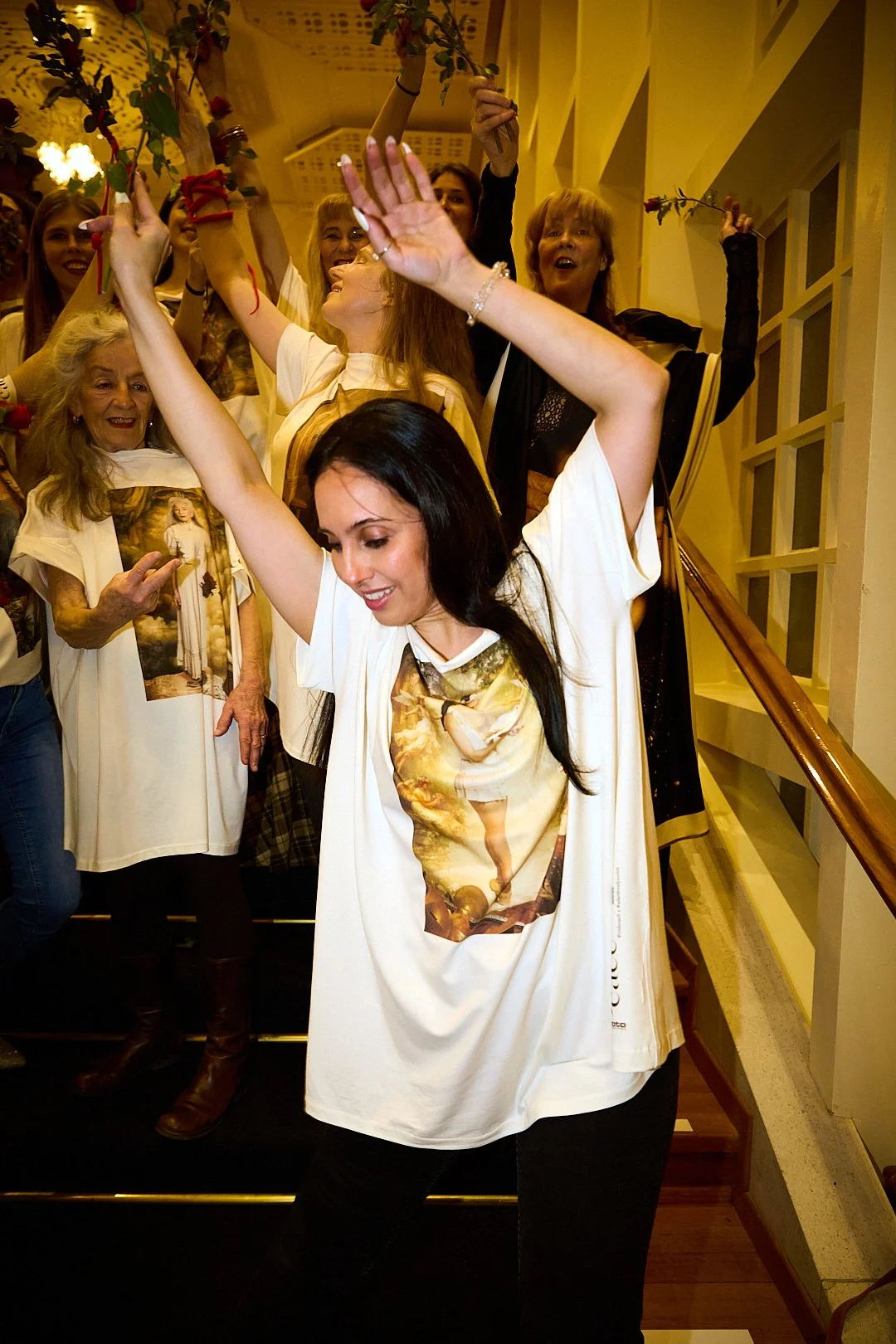
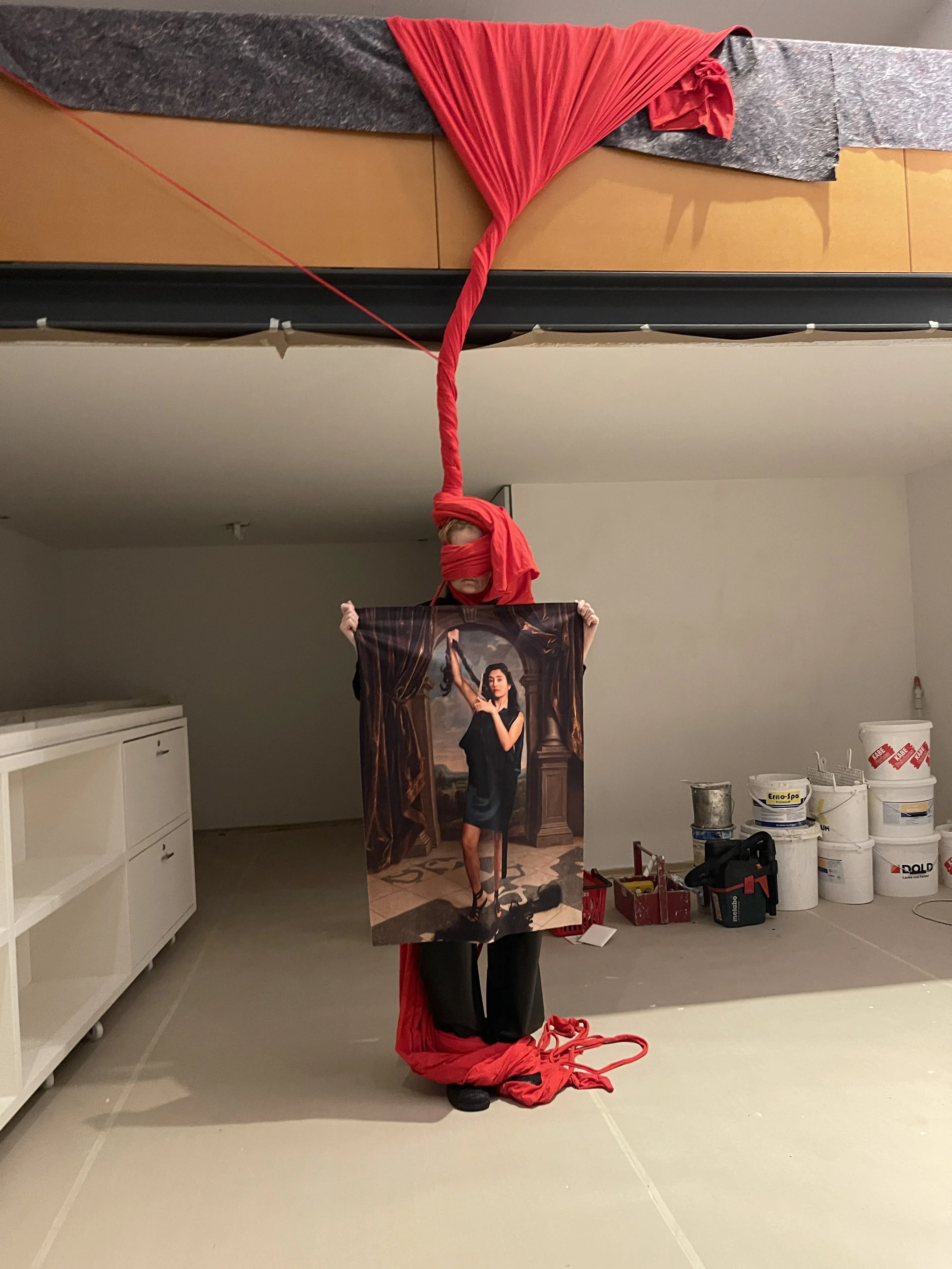
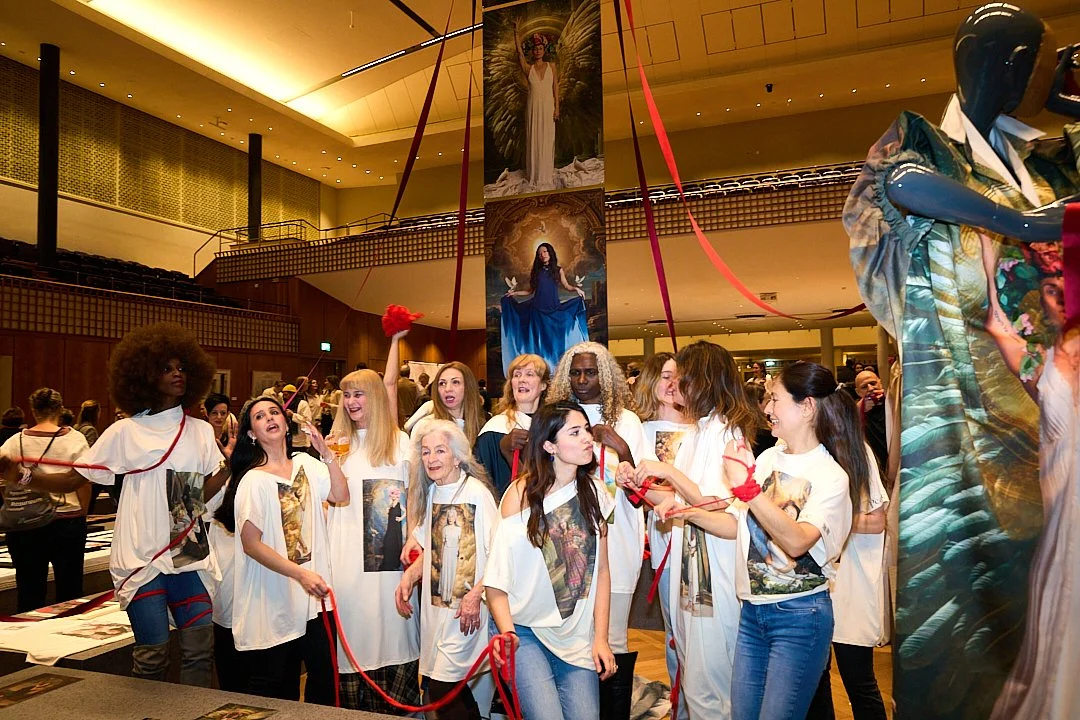
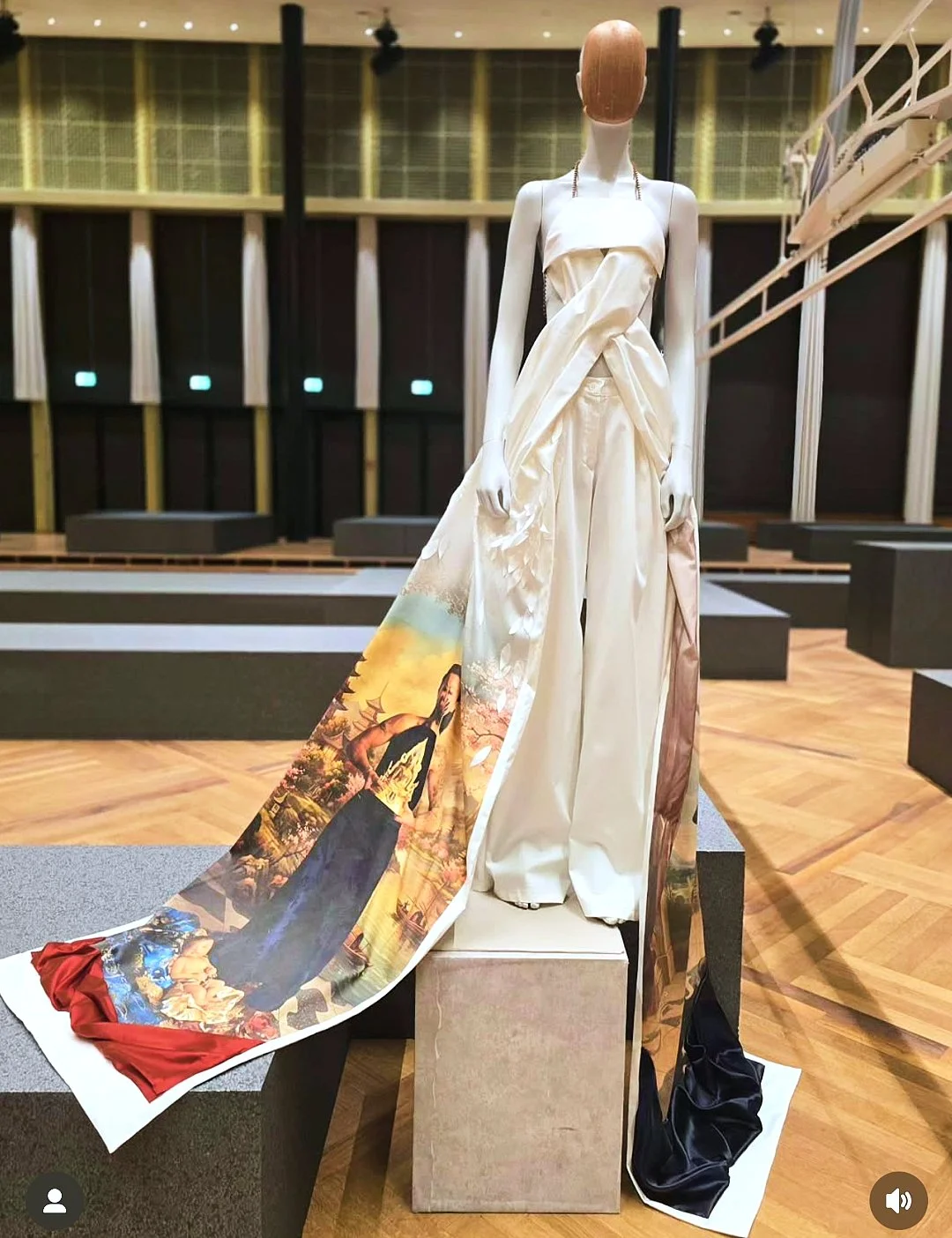
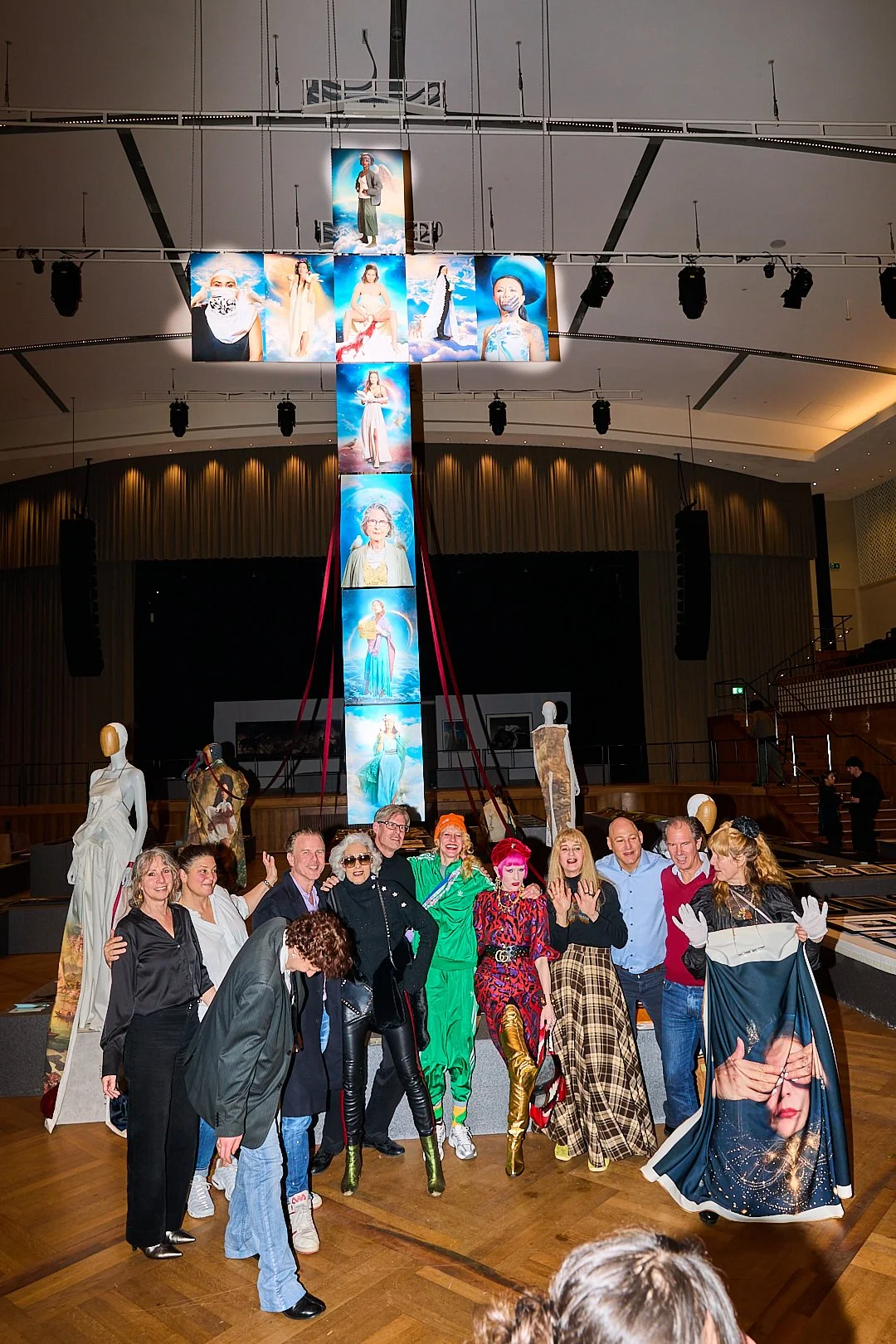
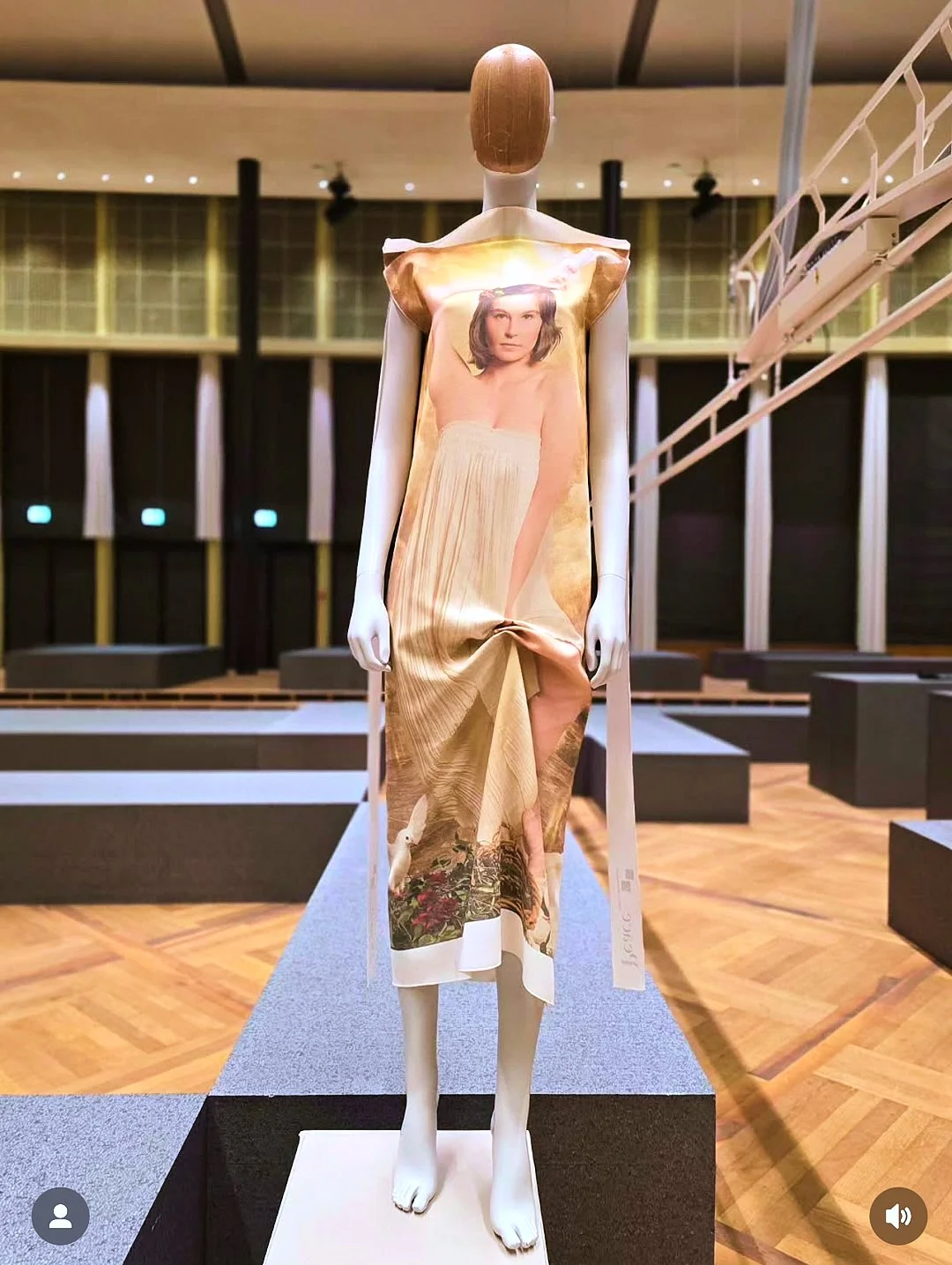
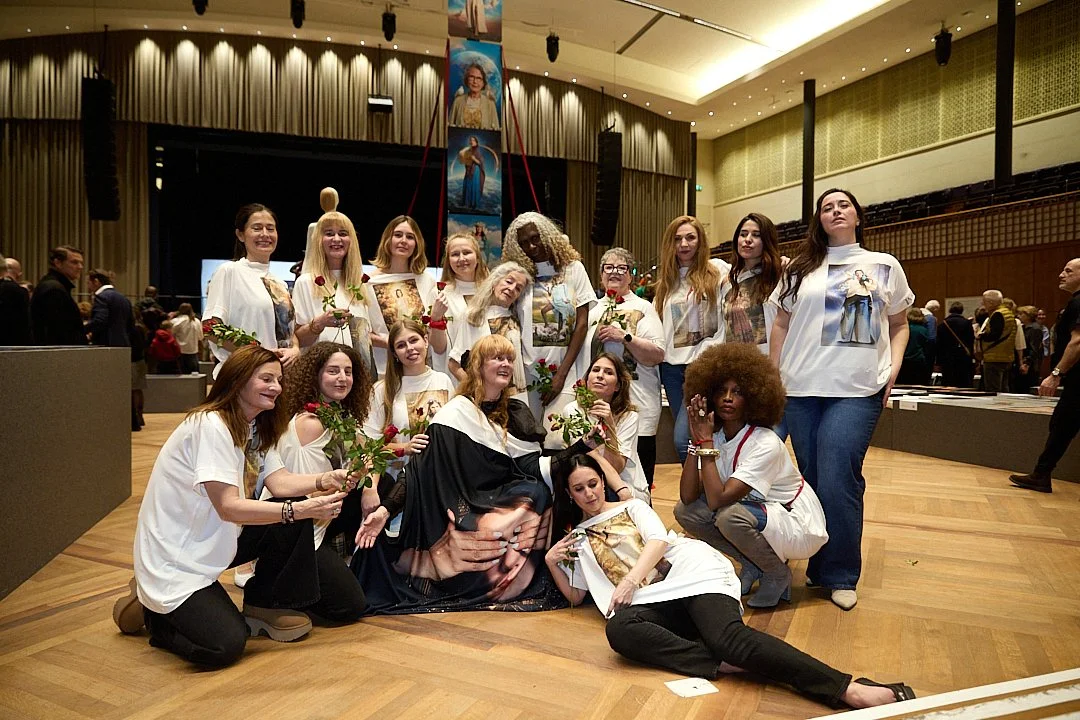
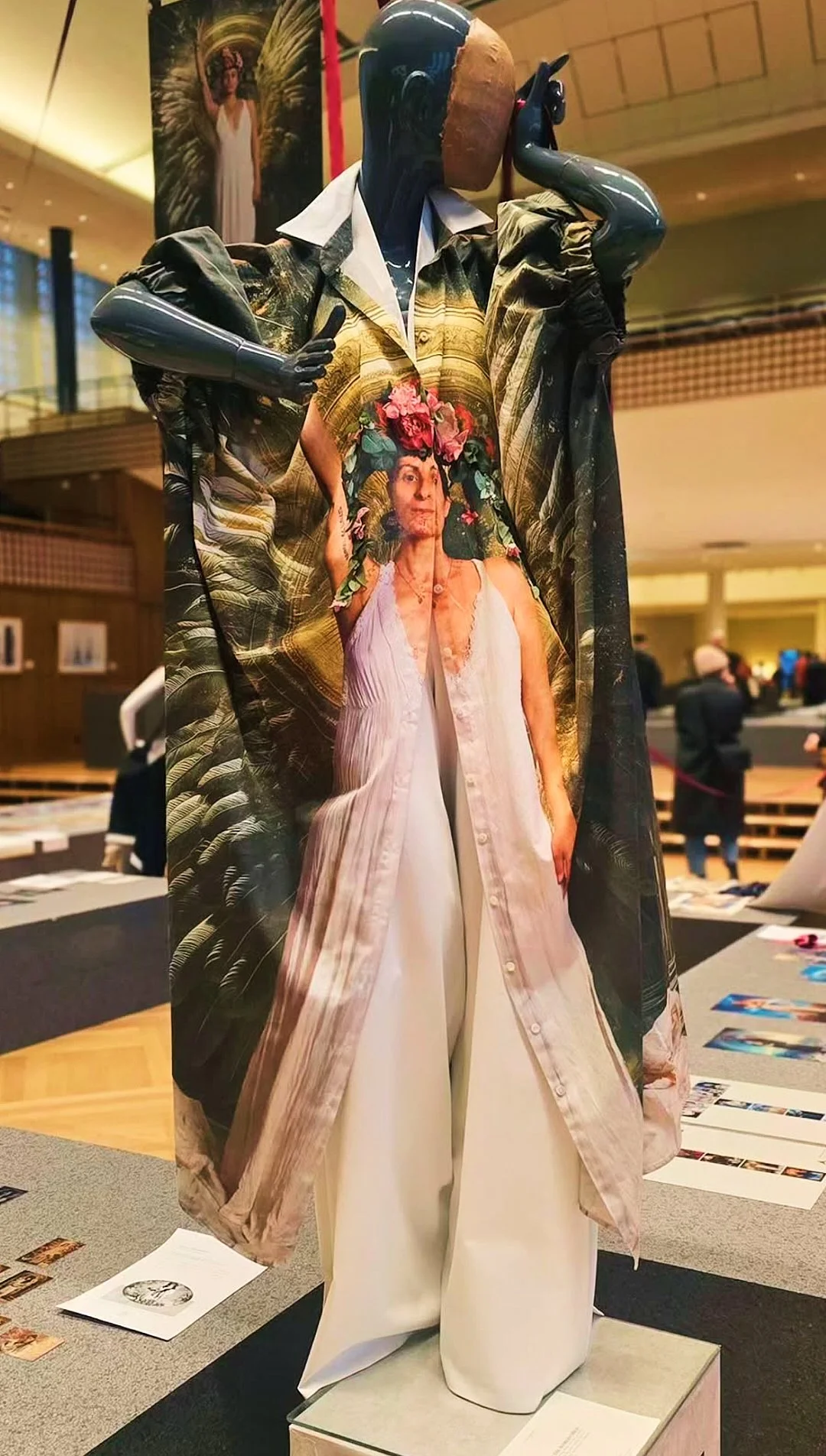
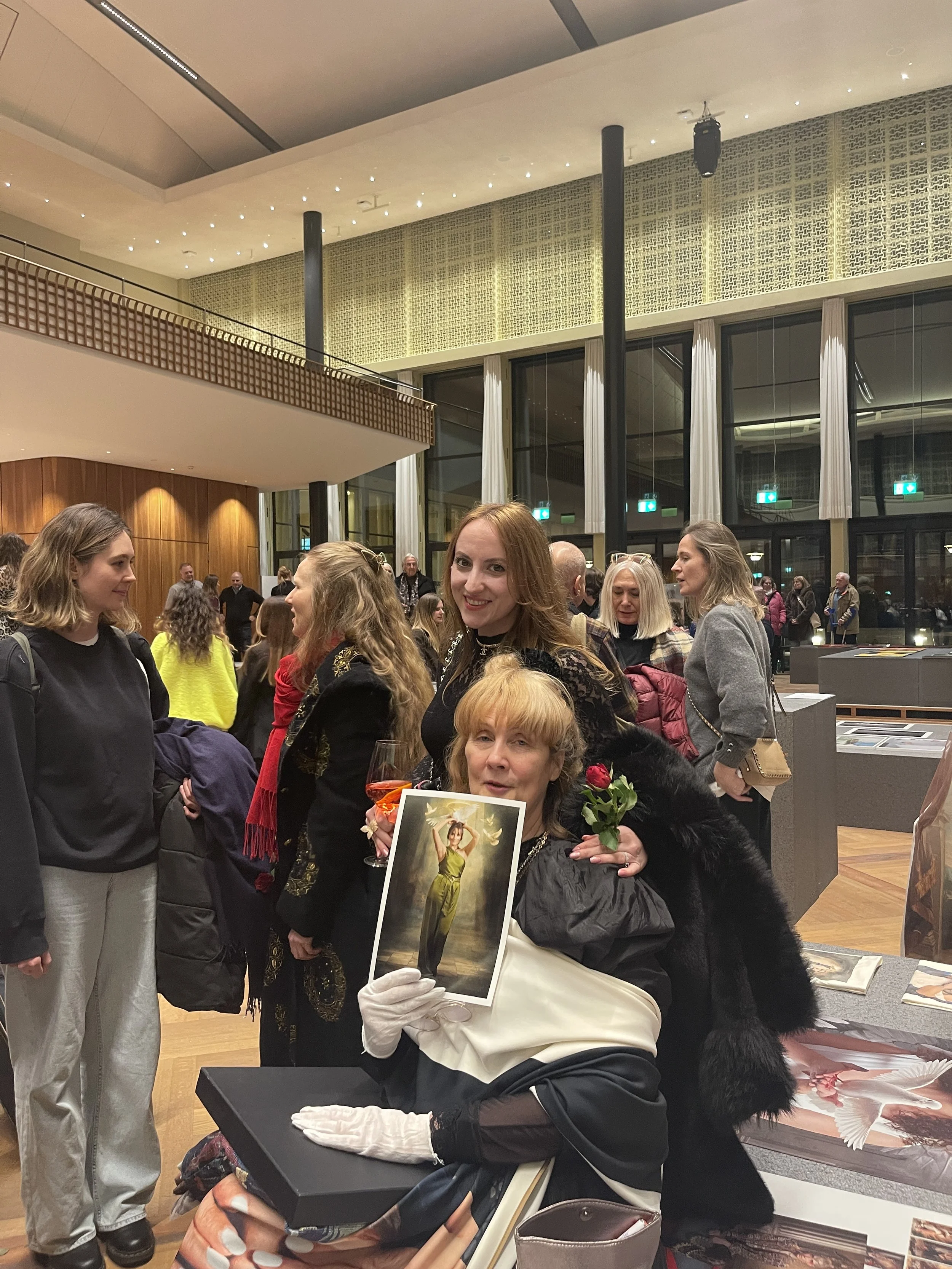
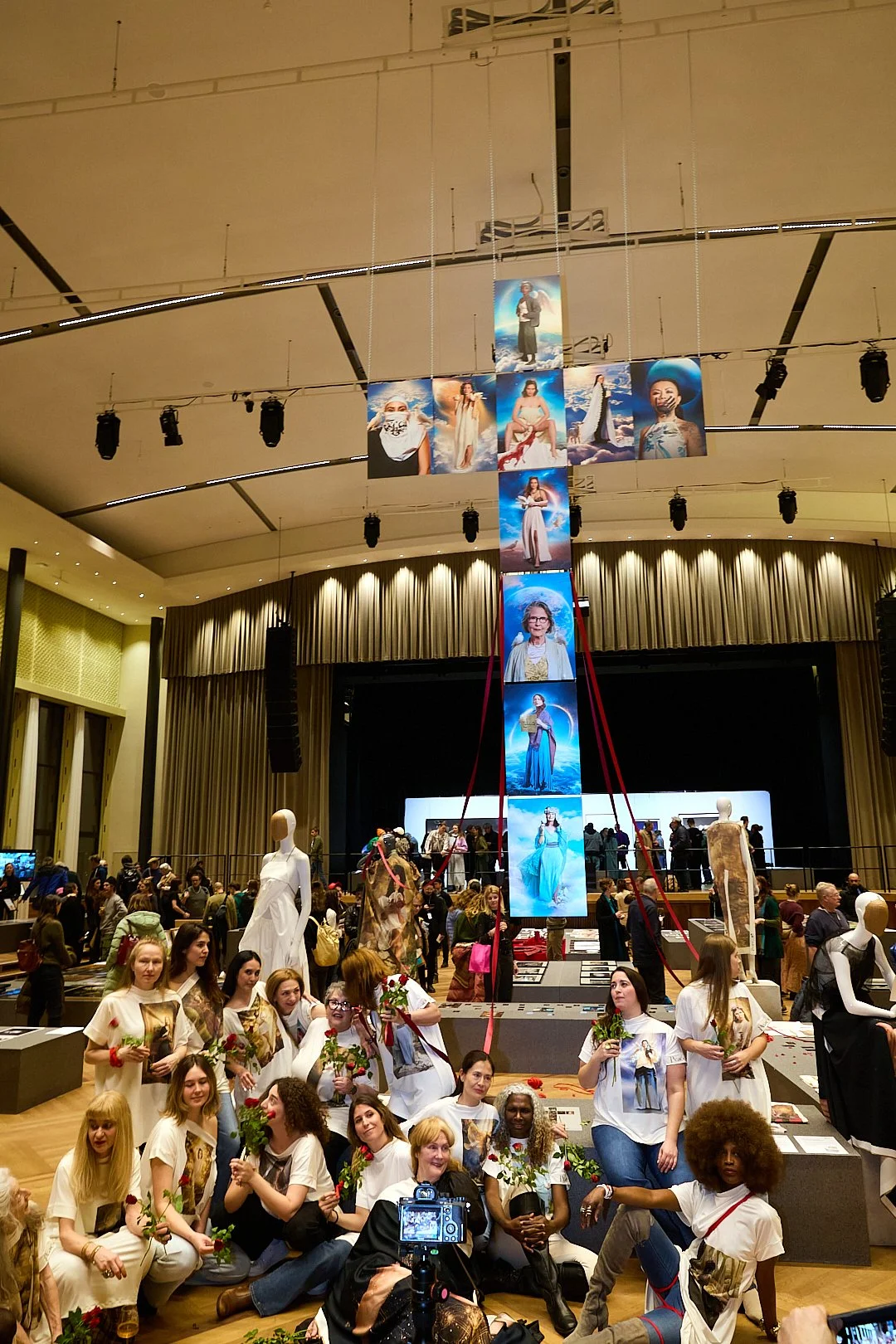
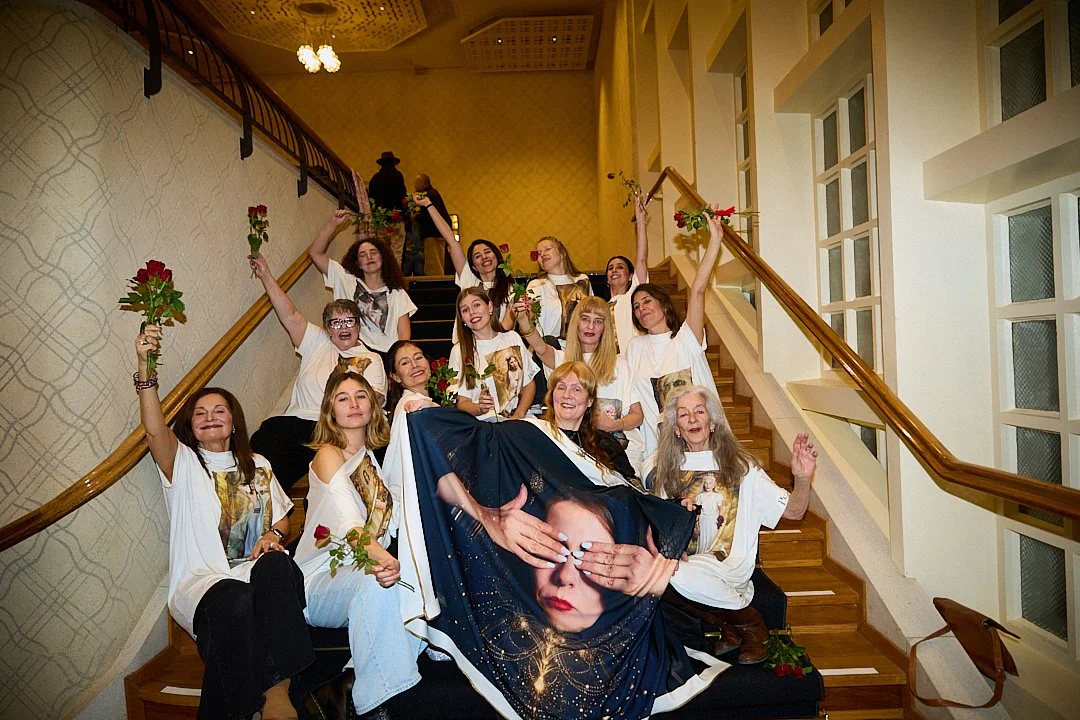
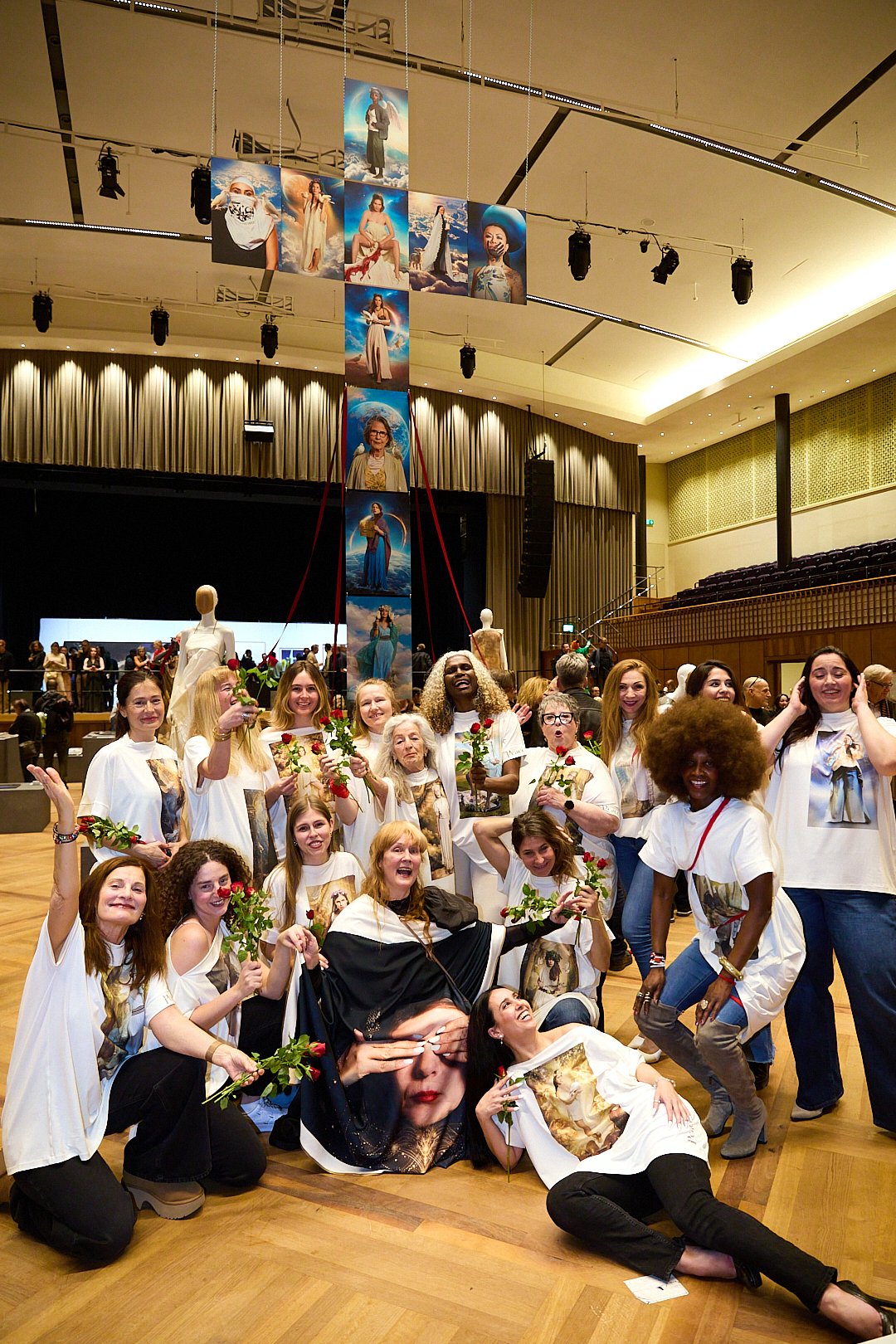
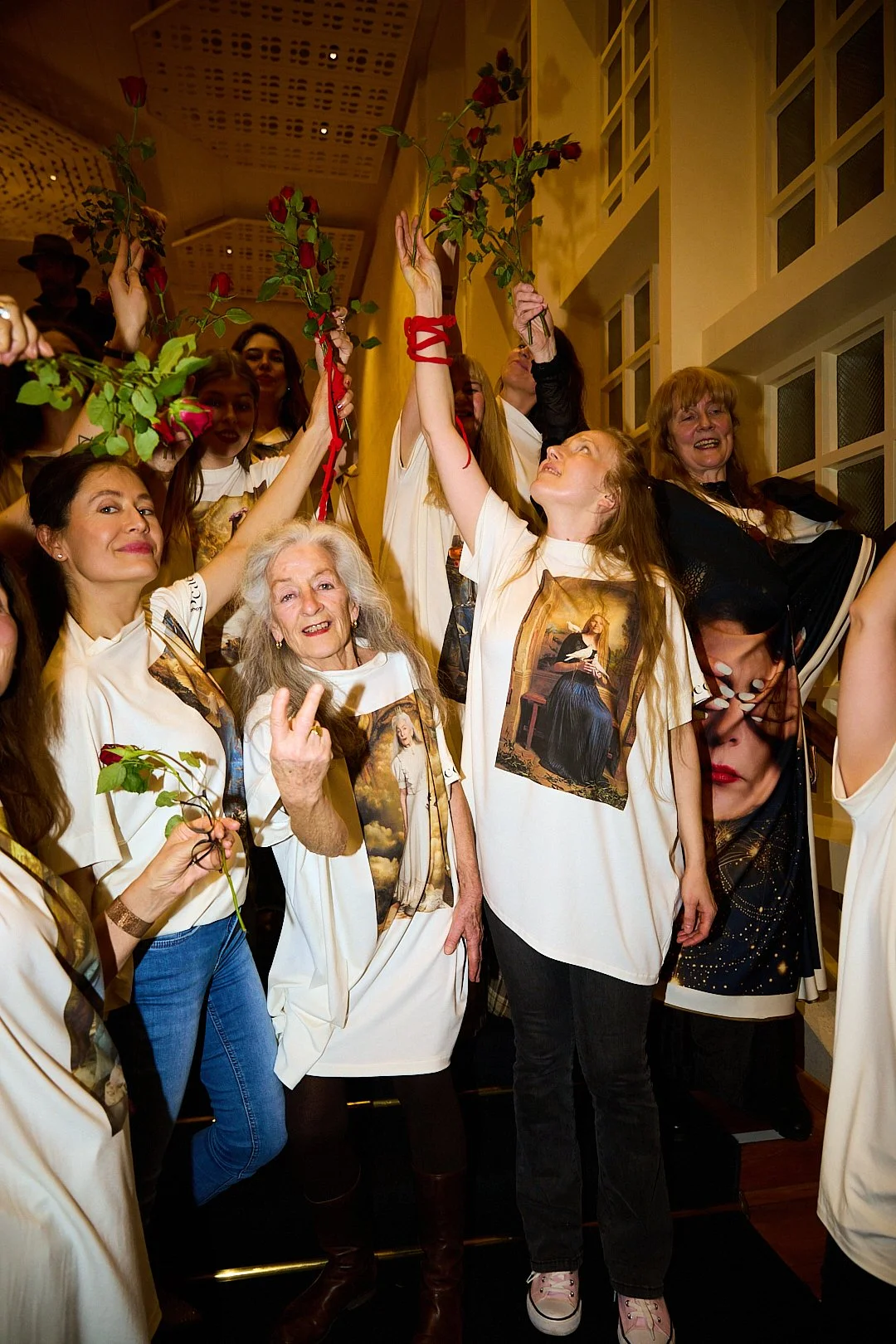
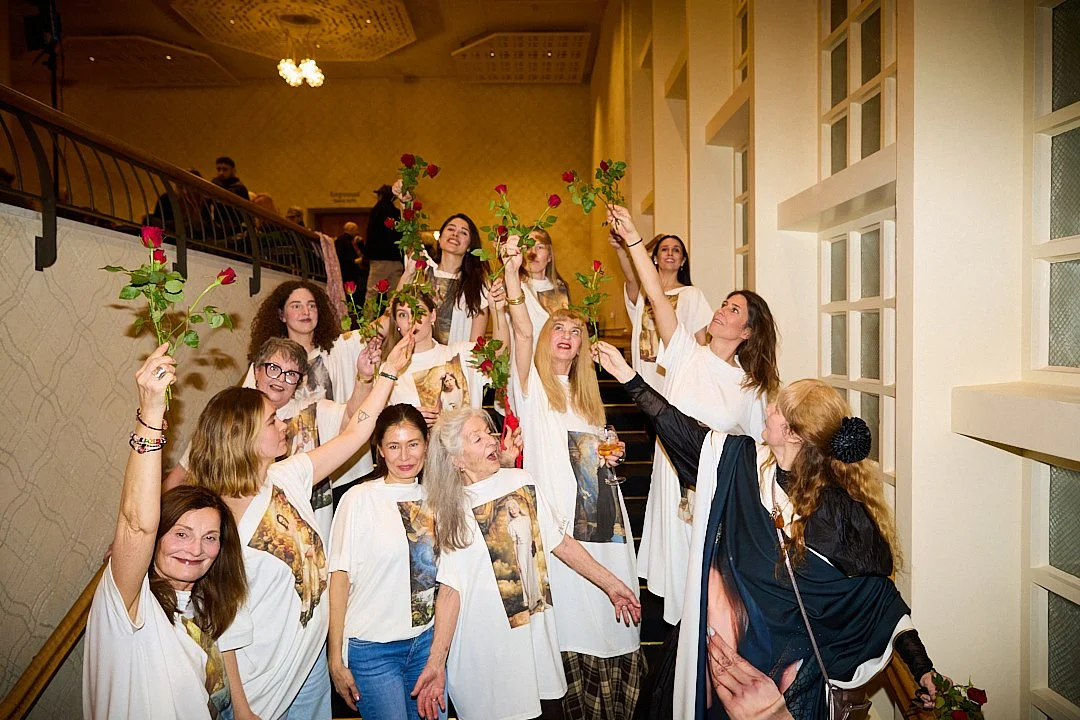
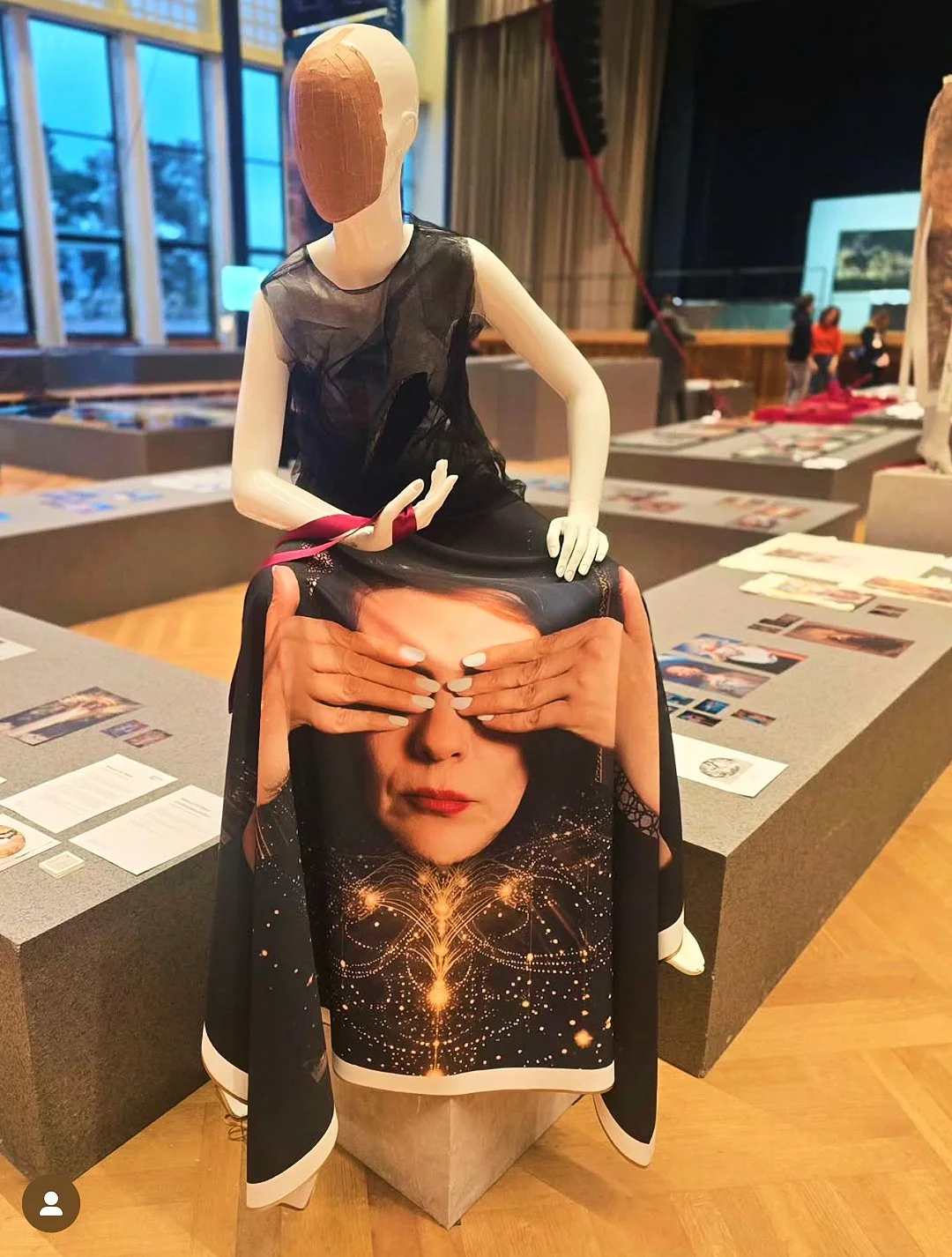
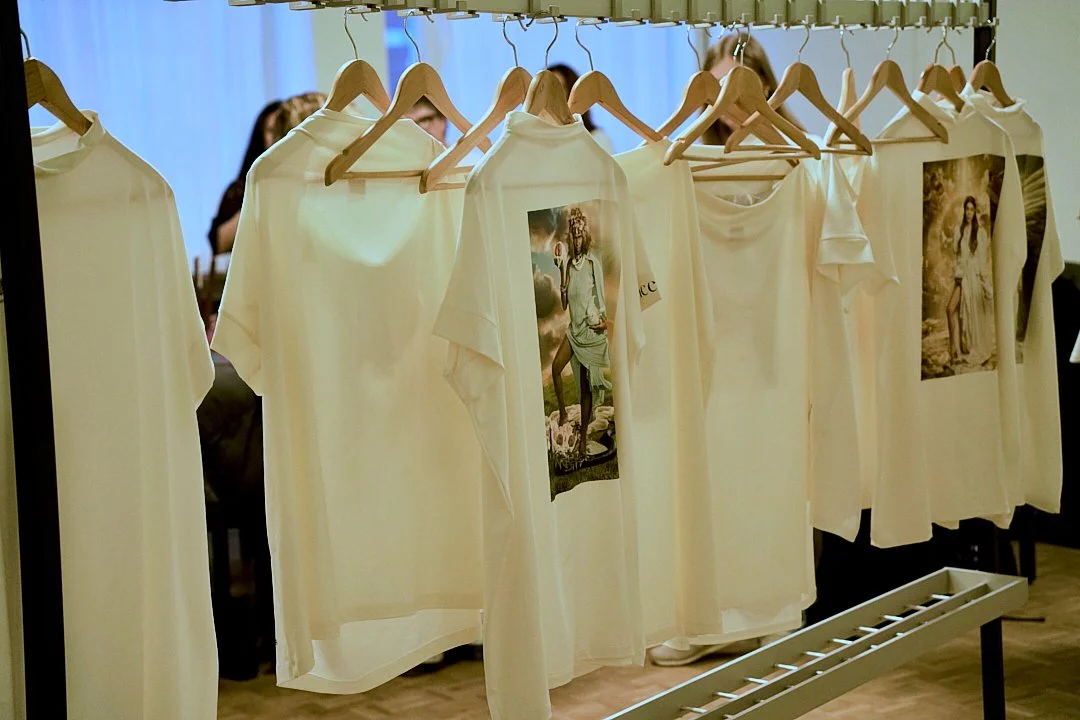
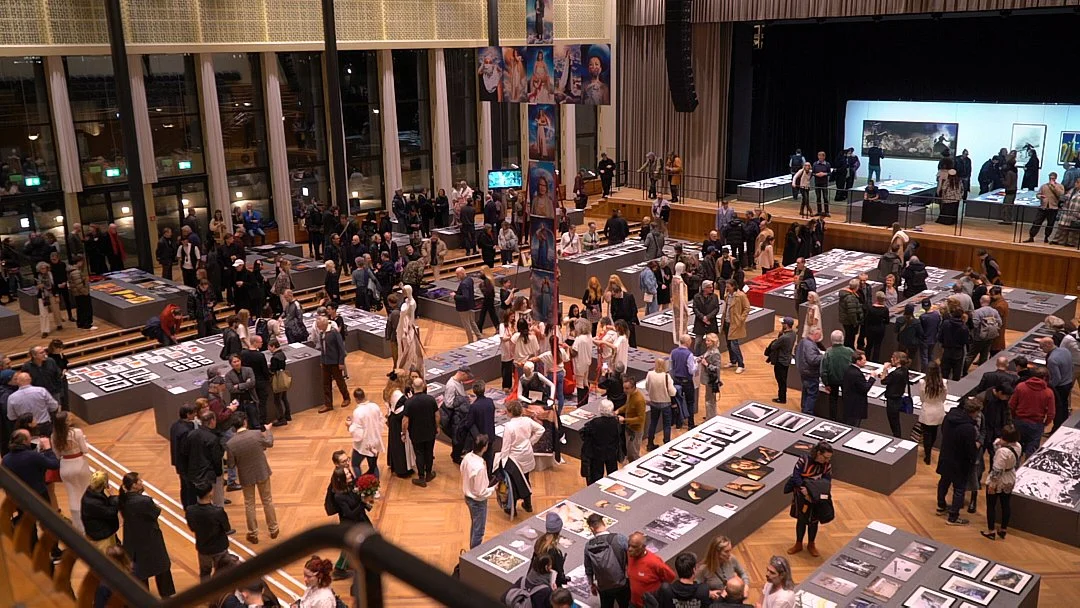
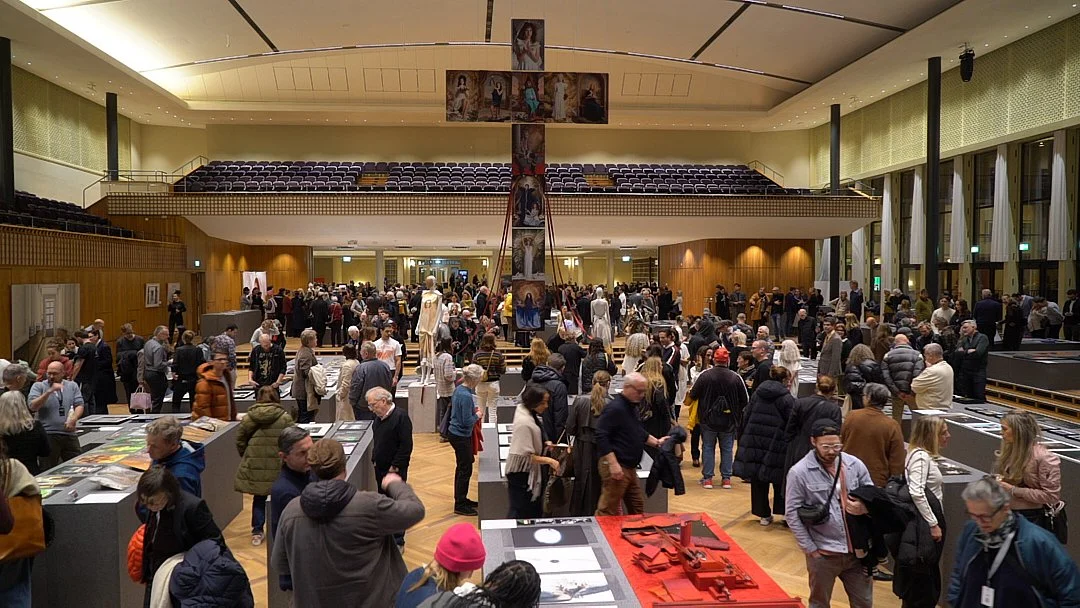
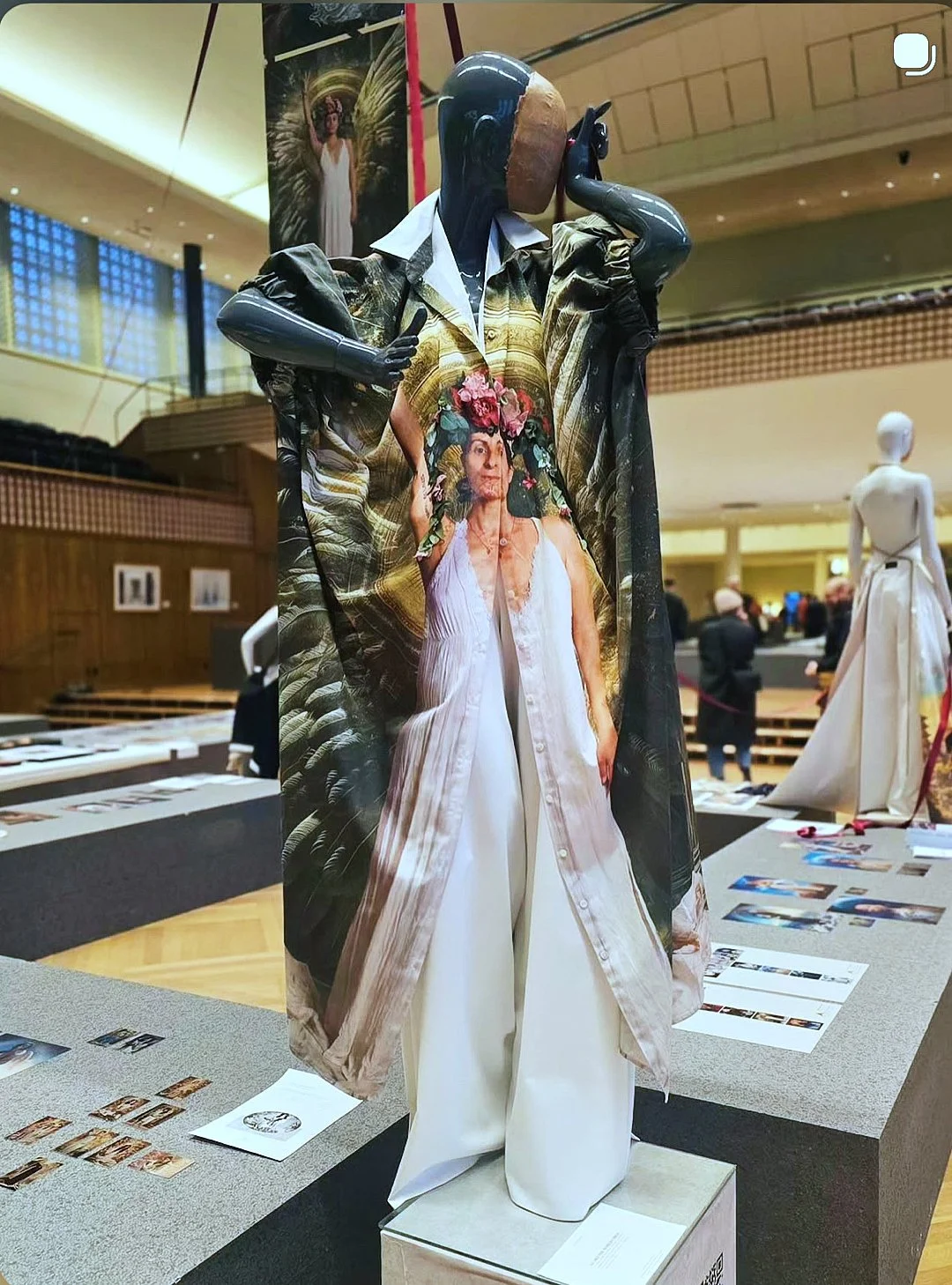
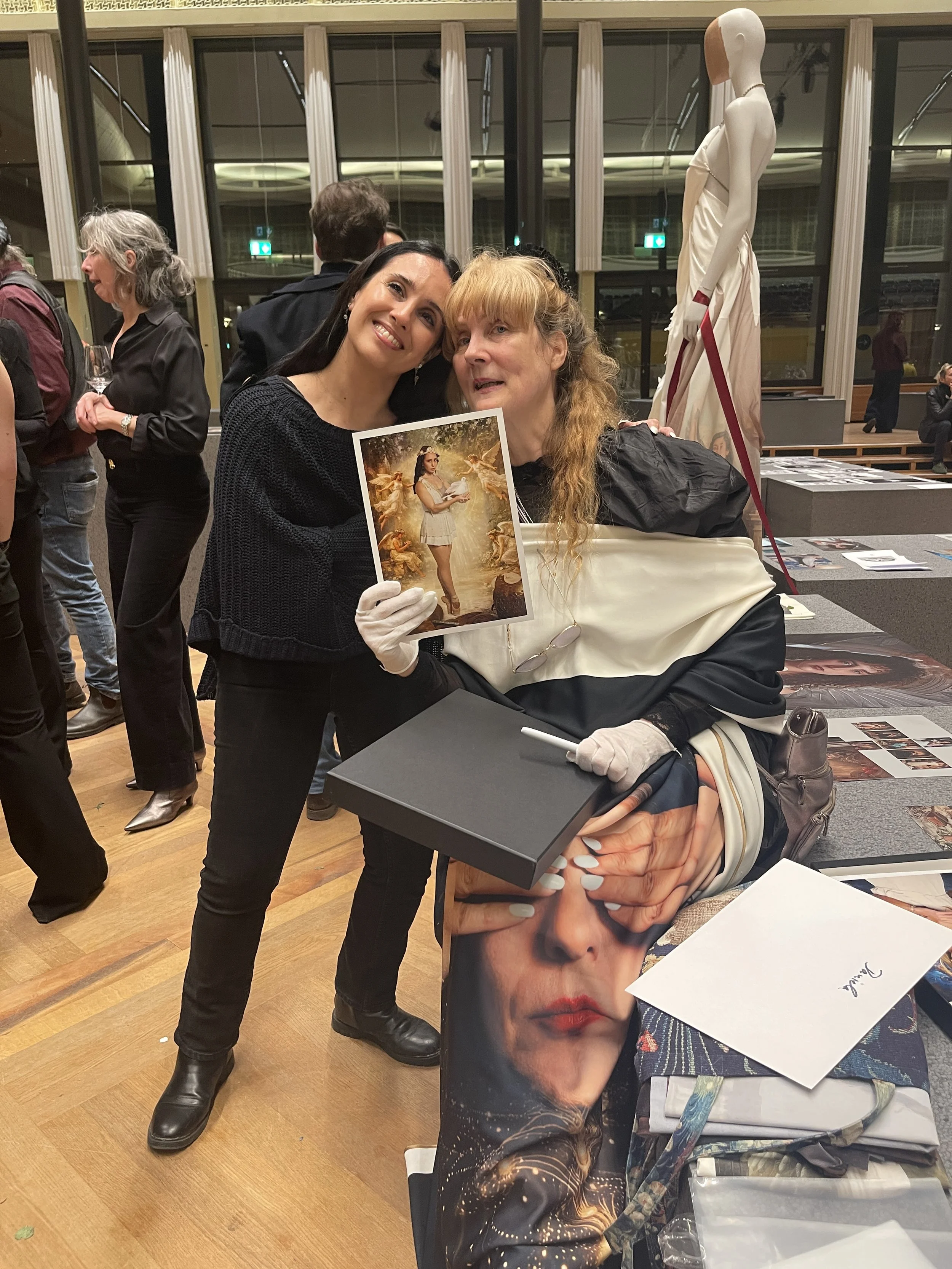
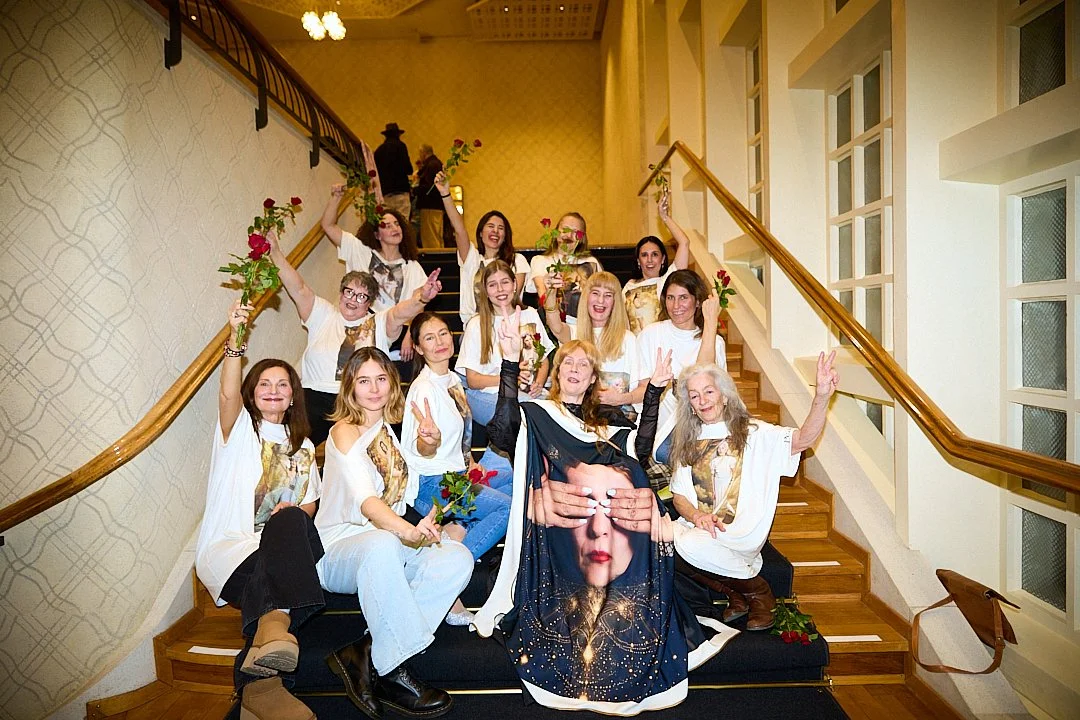
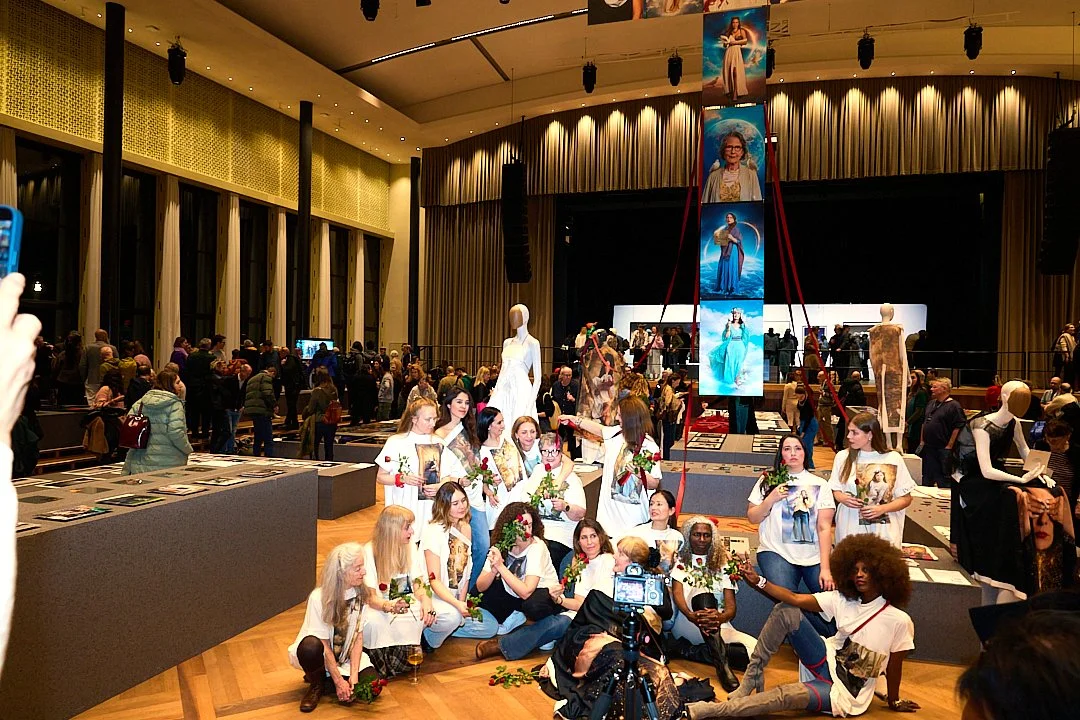
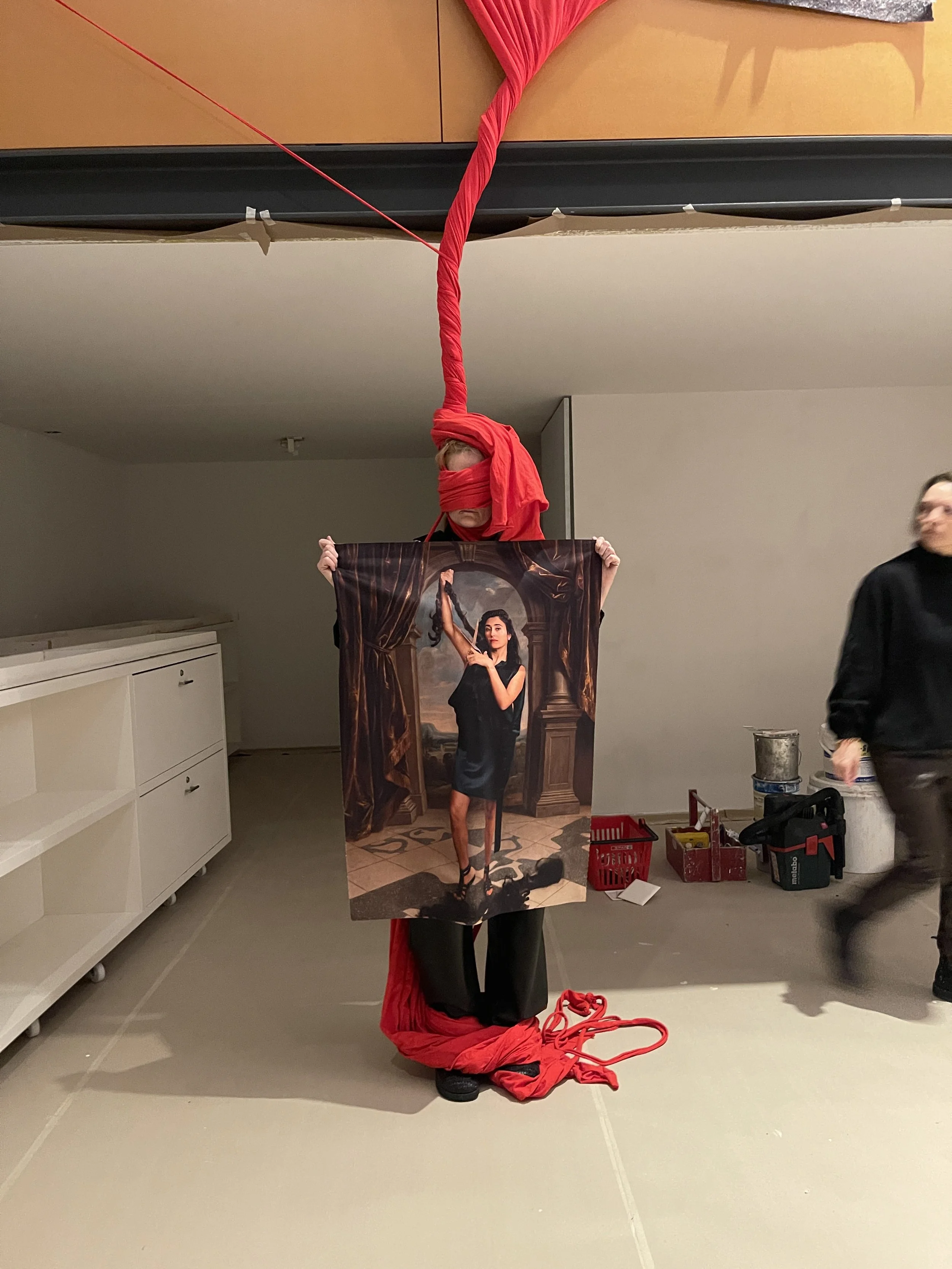
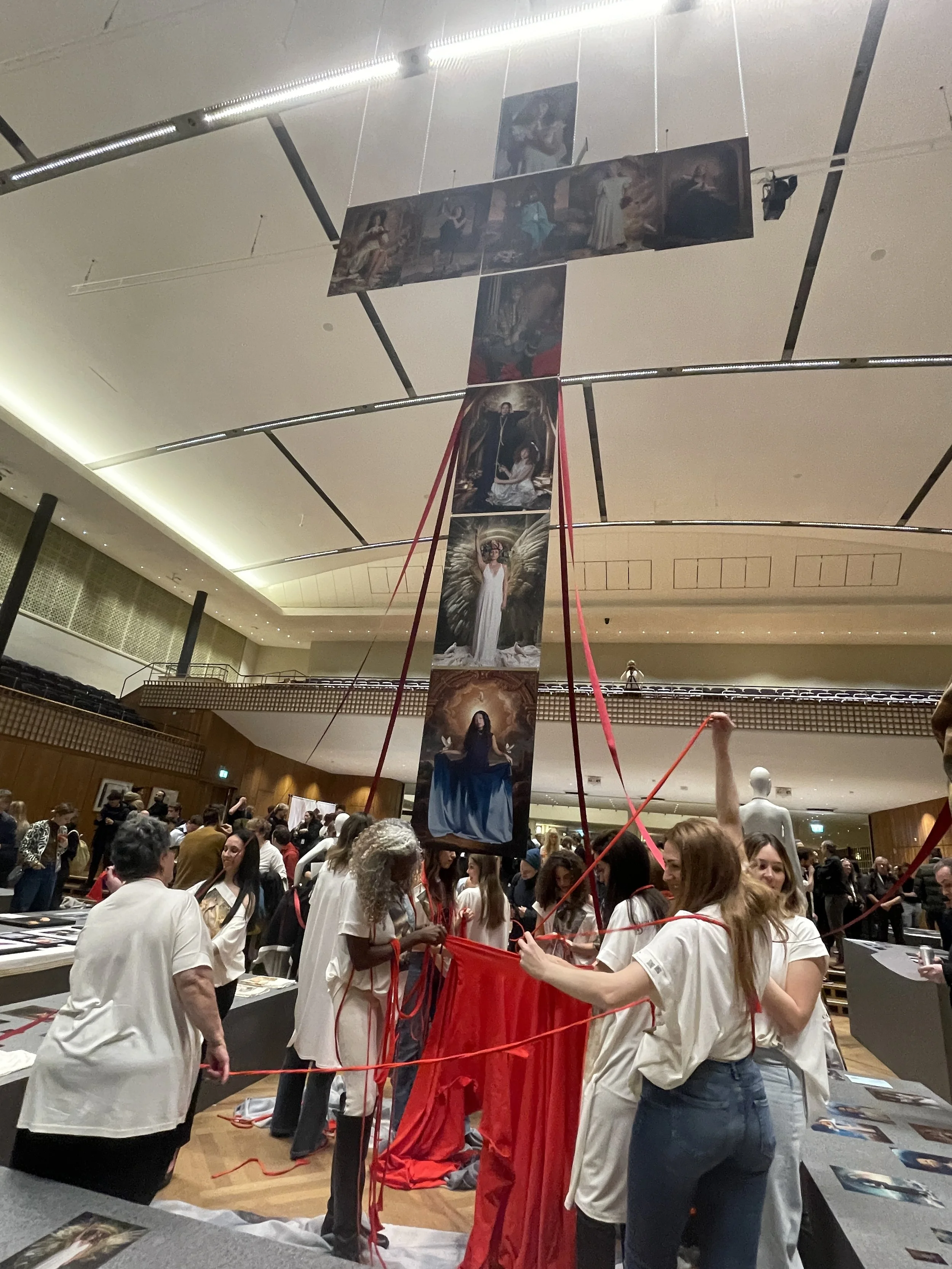
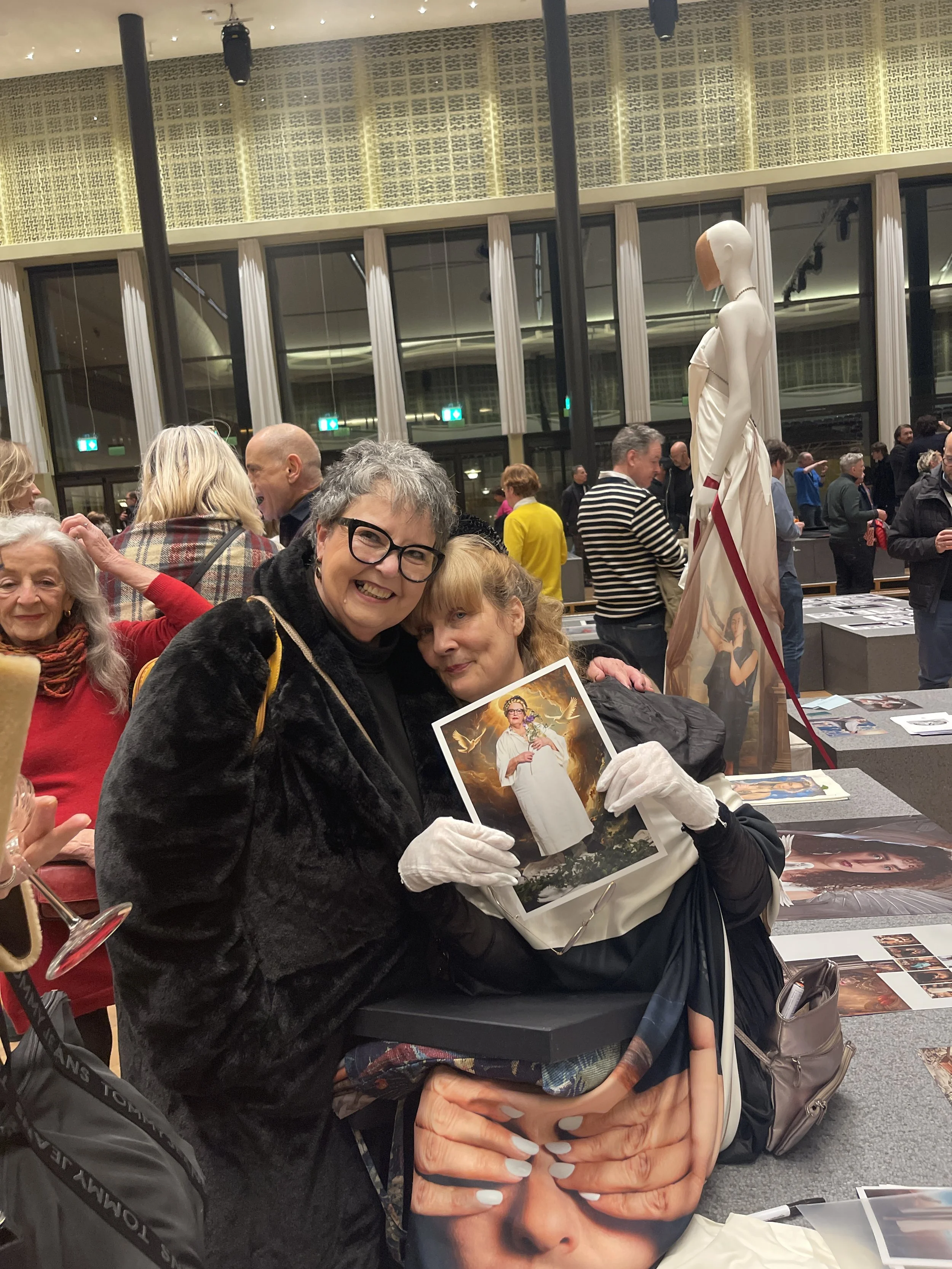
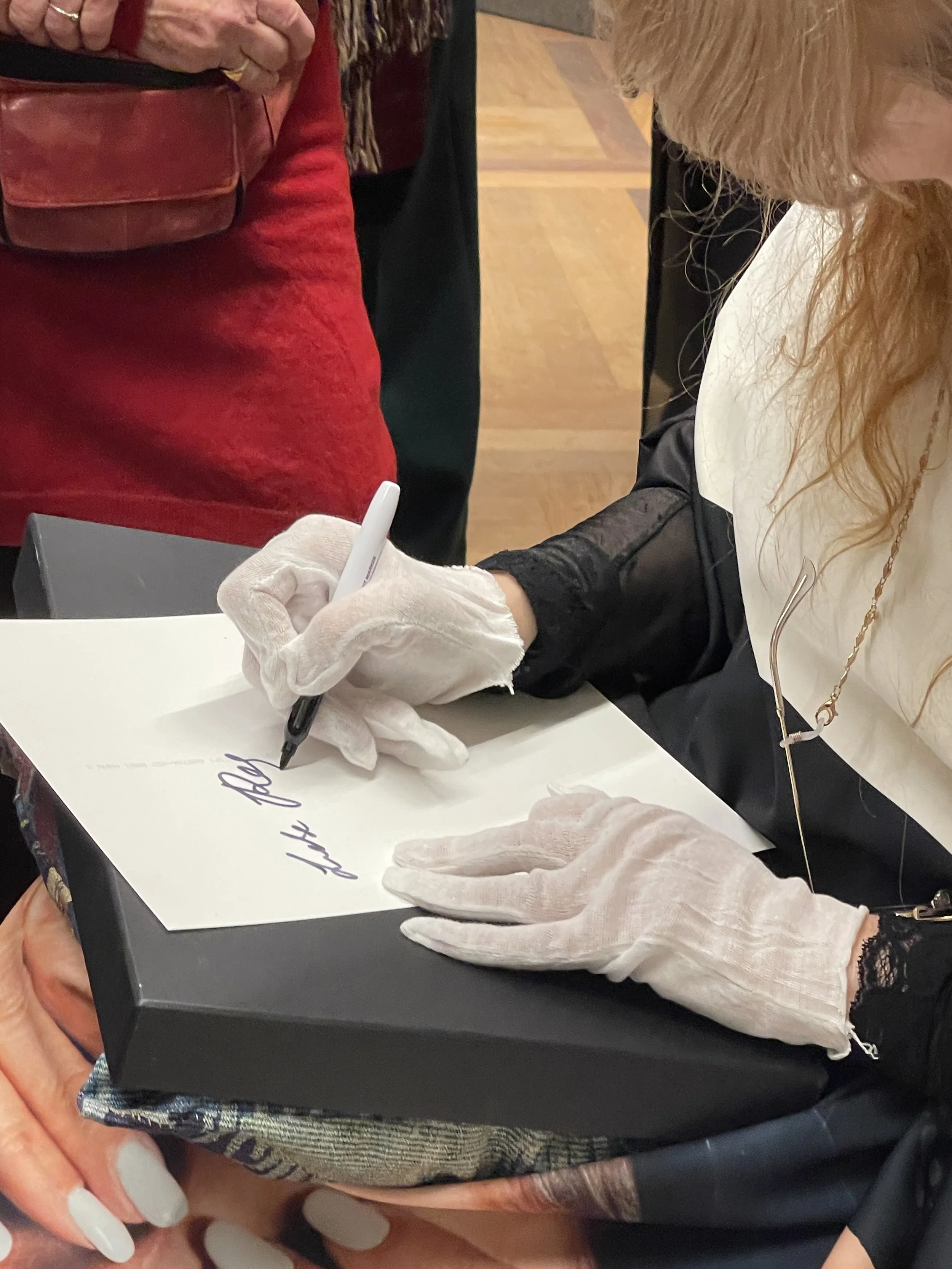

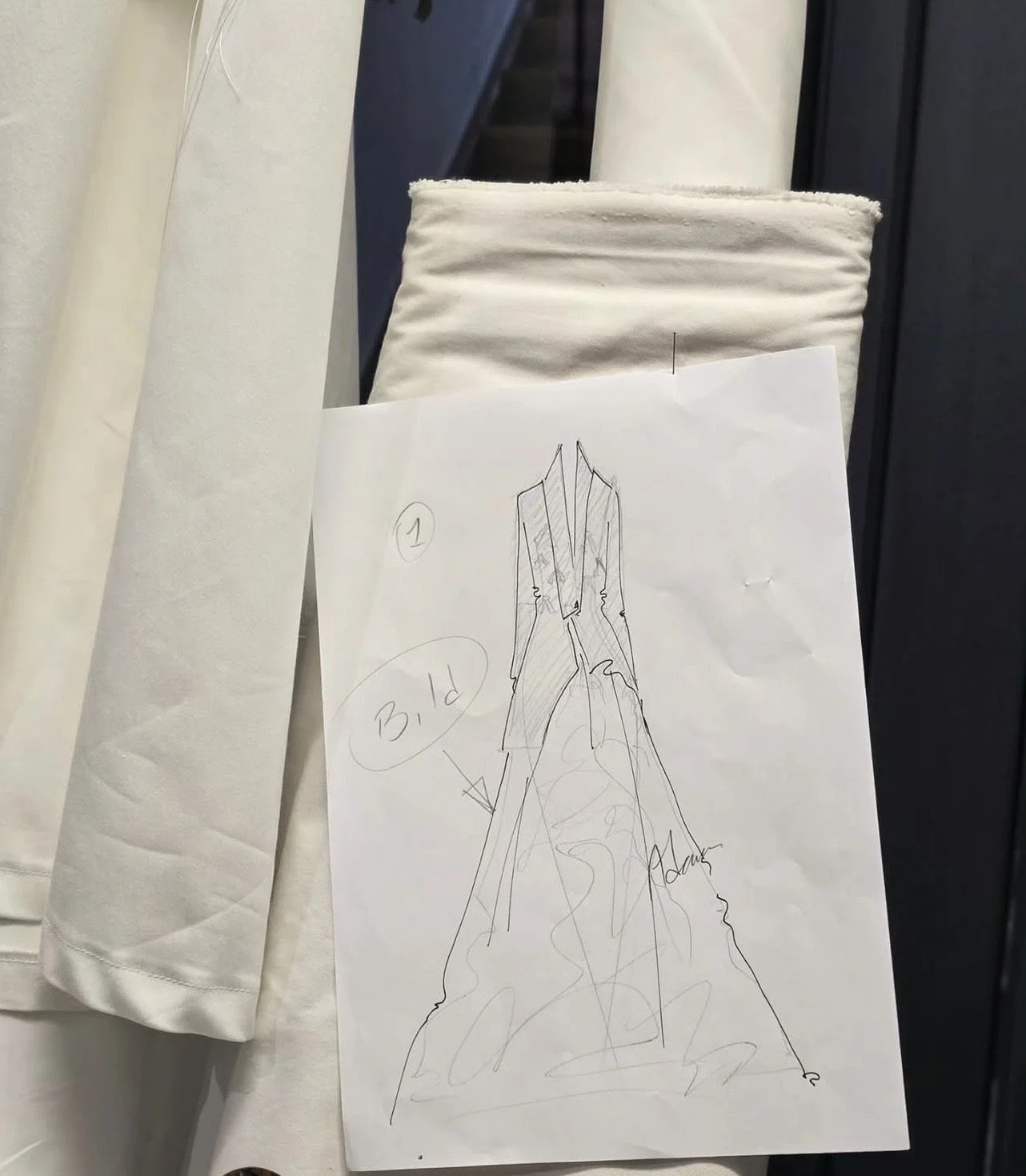
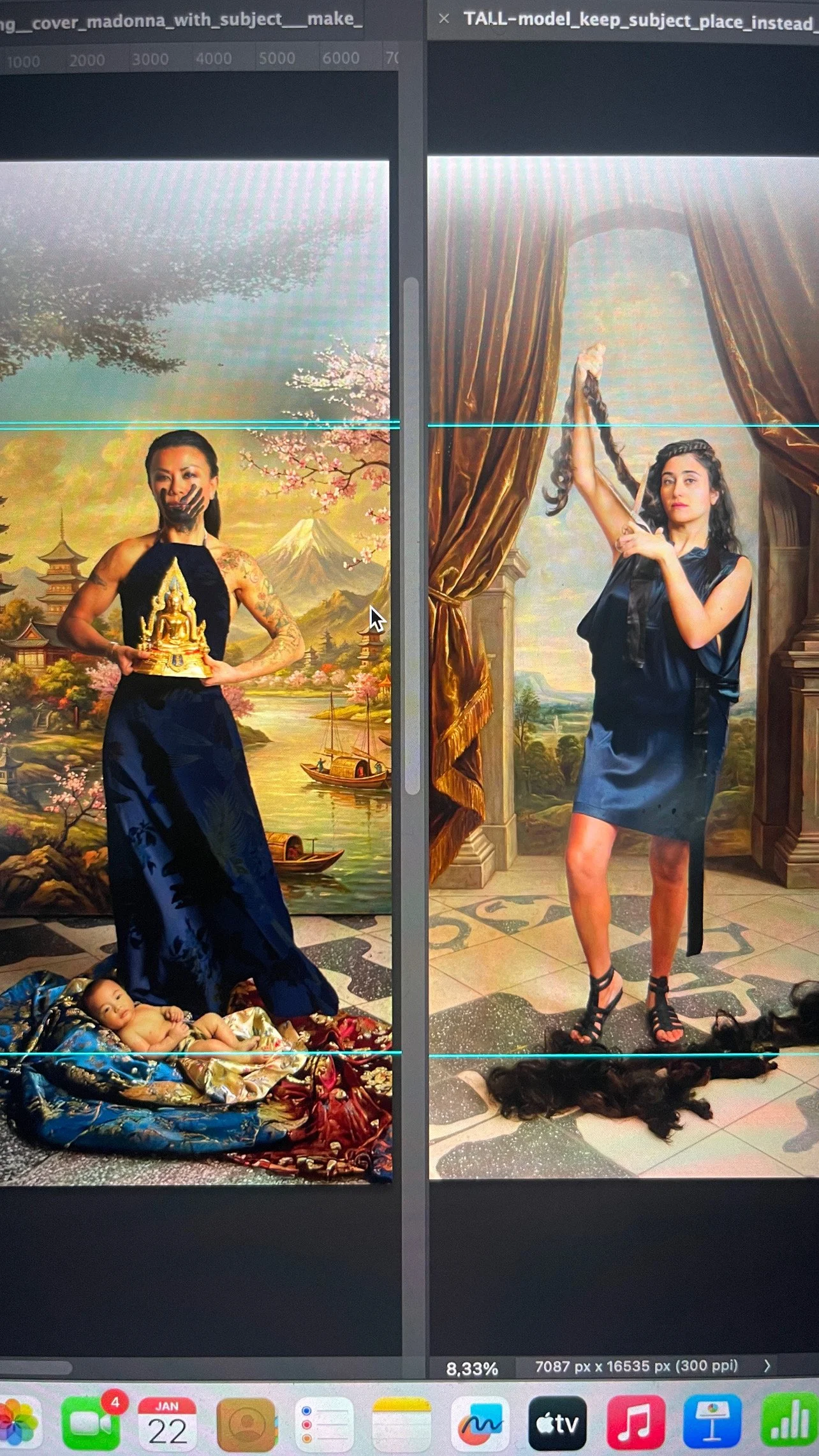
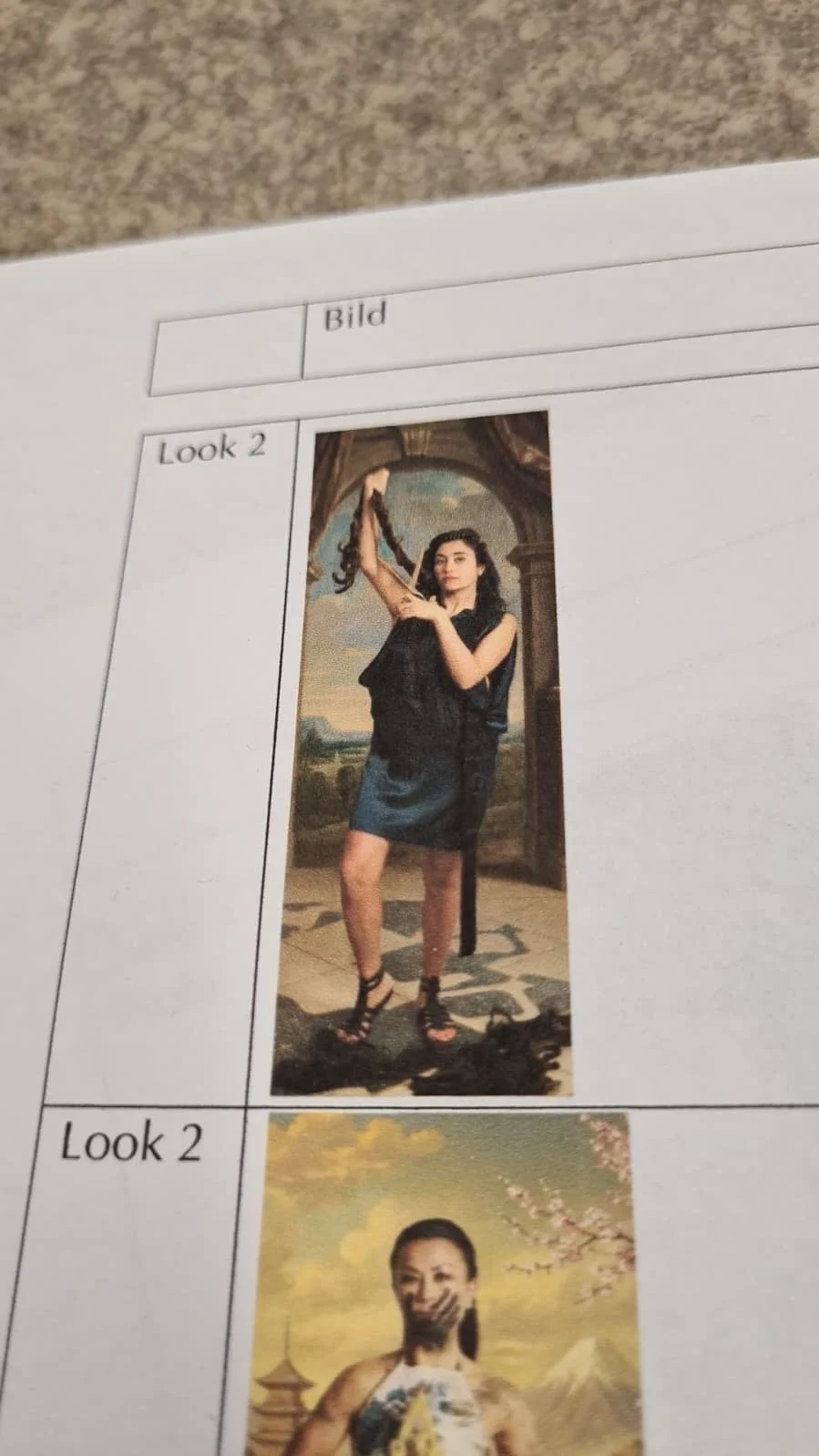
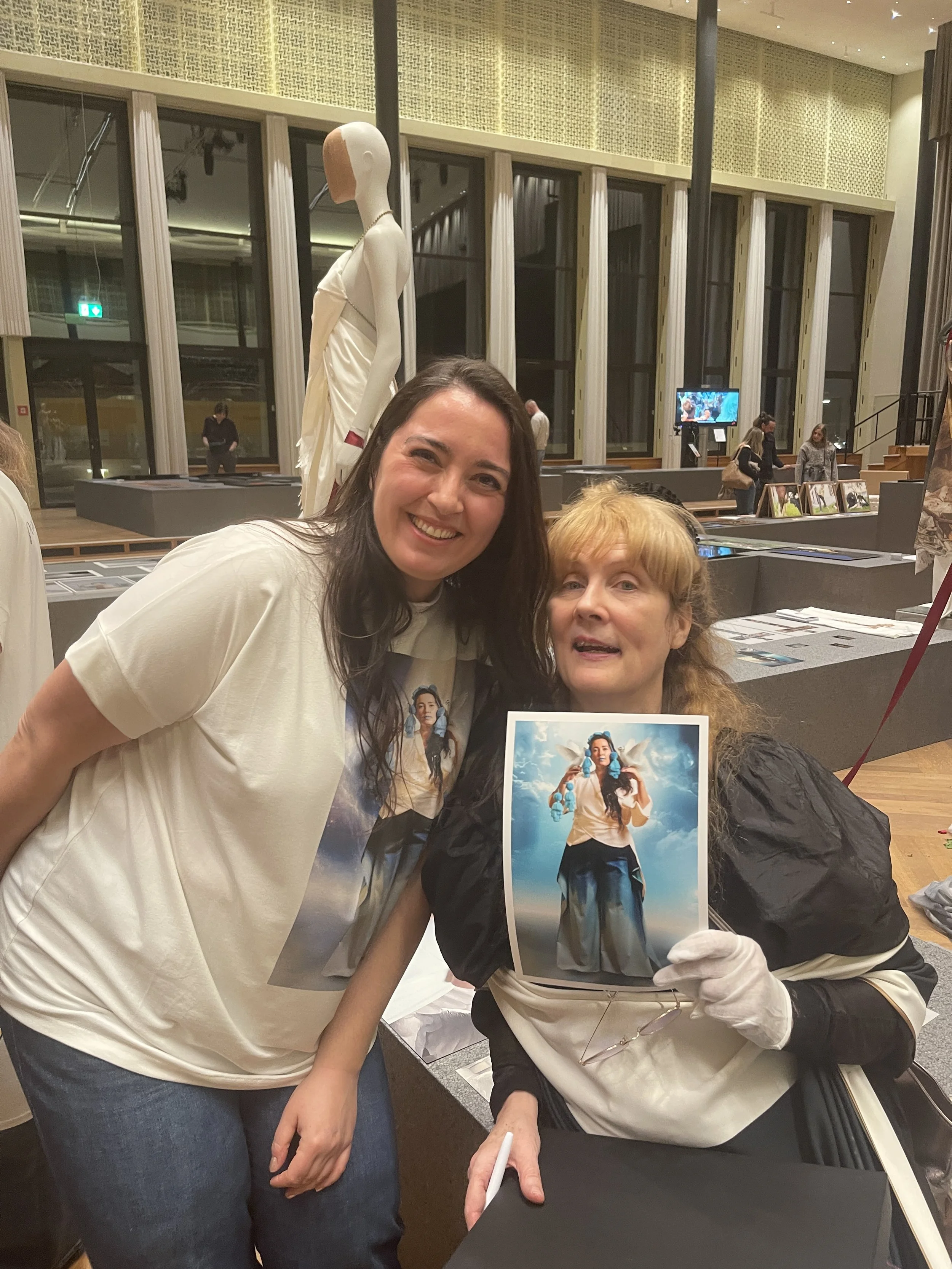
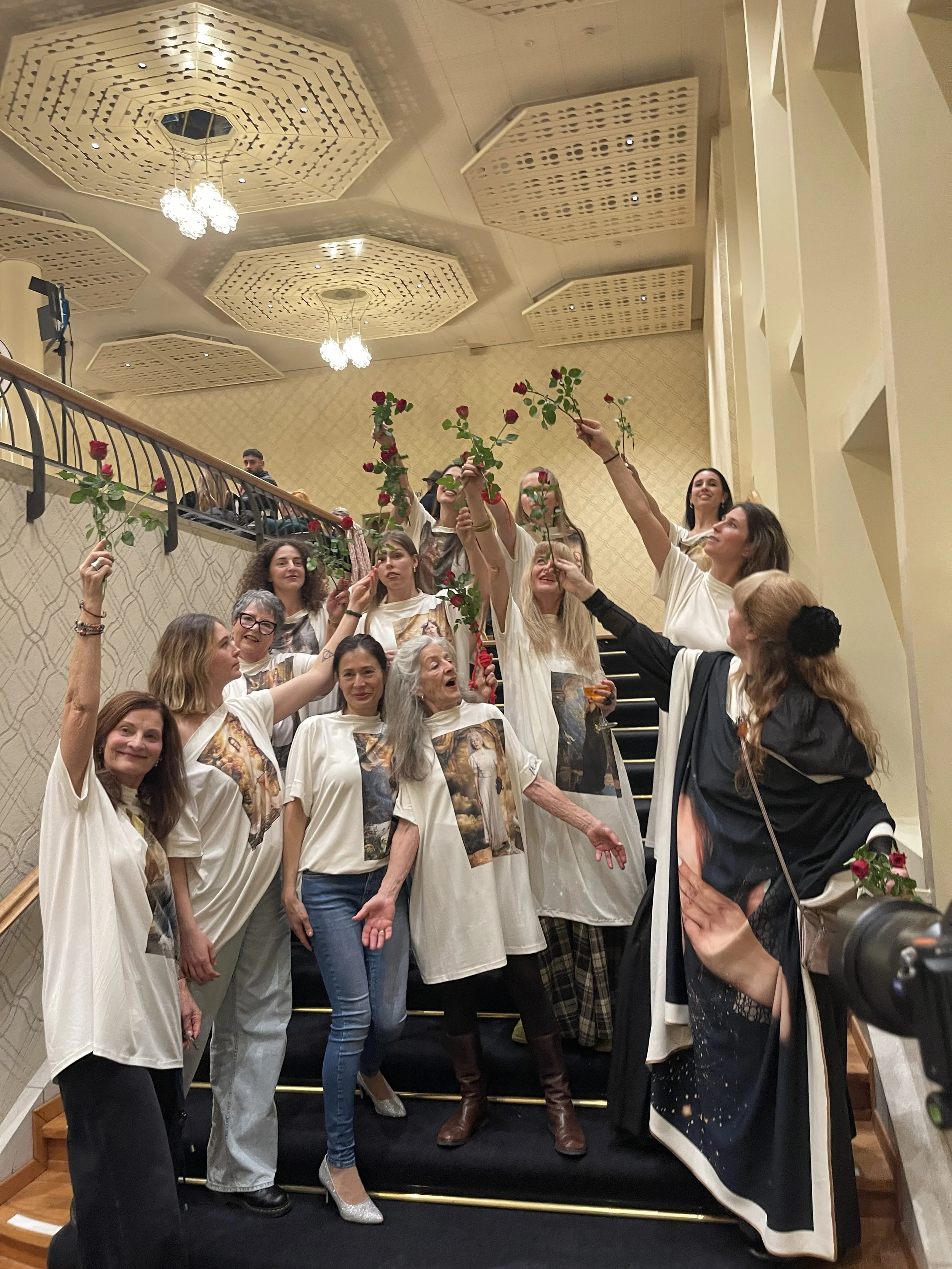
In collaboration with Swiss designer and art director Adam Brody, the project expanded into wearable and performative forms. Twenty-three T-shirts formed a “wearable photo gallery,” each bearing the Madonna portrait of one participant. Four haute couture garden dresses — printed with Brosch’s photographic imagery — were positioned around the cross as symbolic Guardians, transforming the installation into a spatial and living tableau.
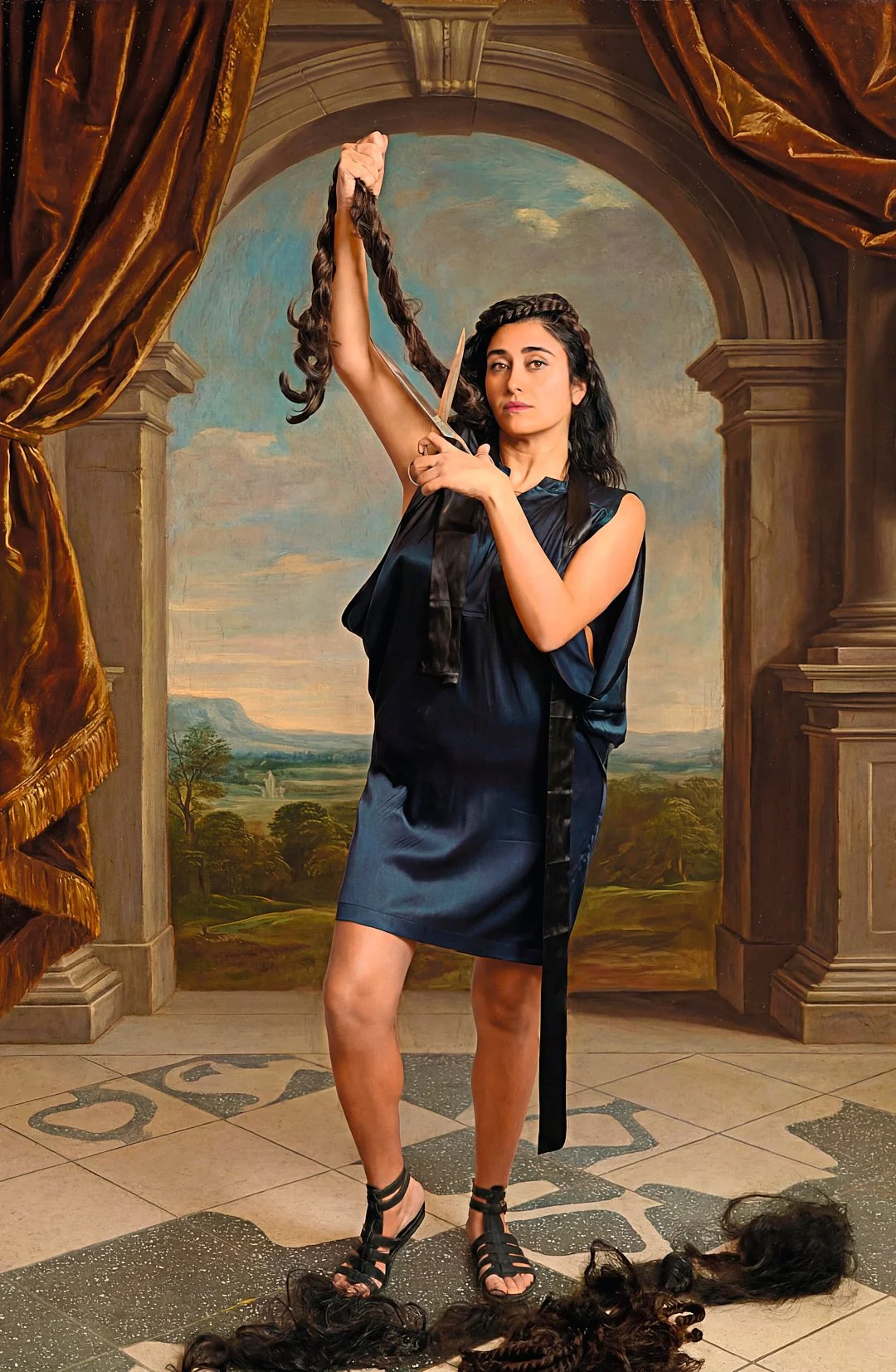
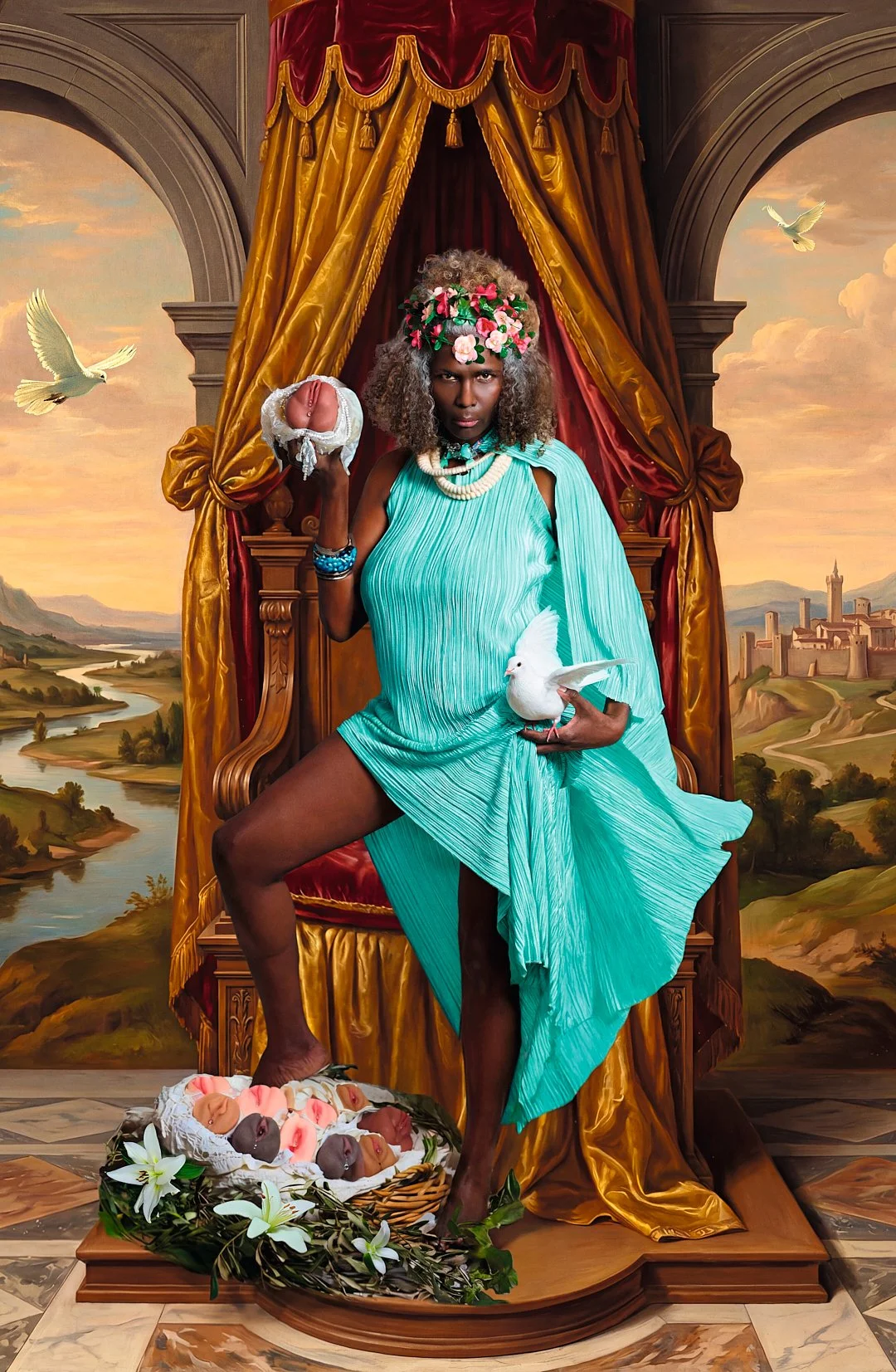
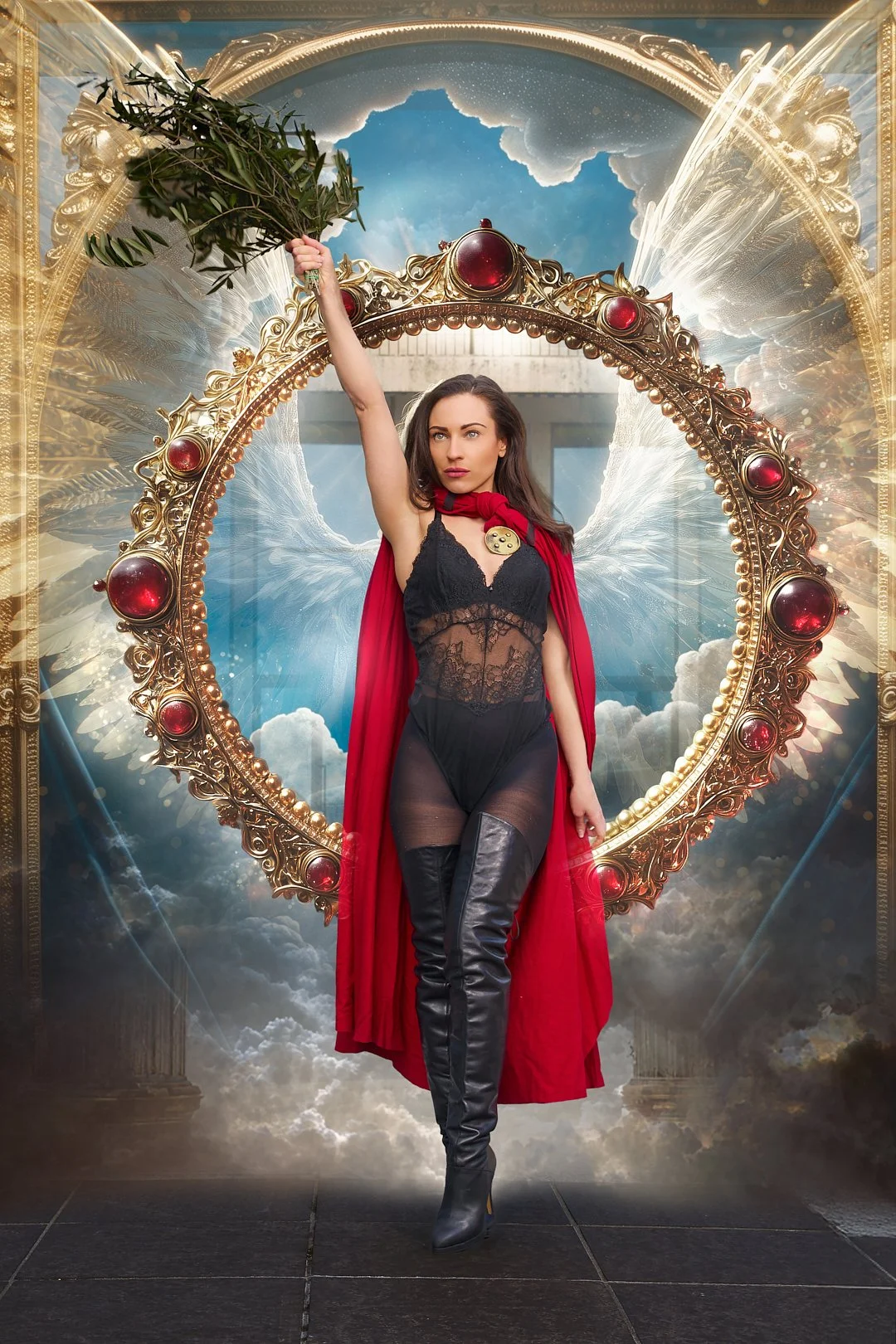



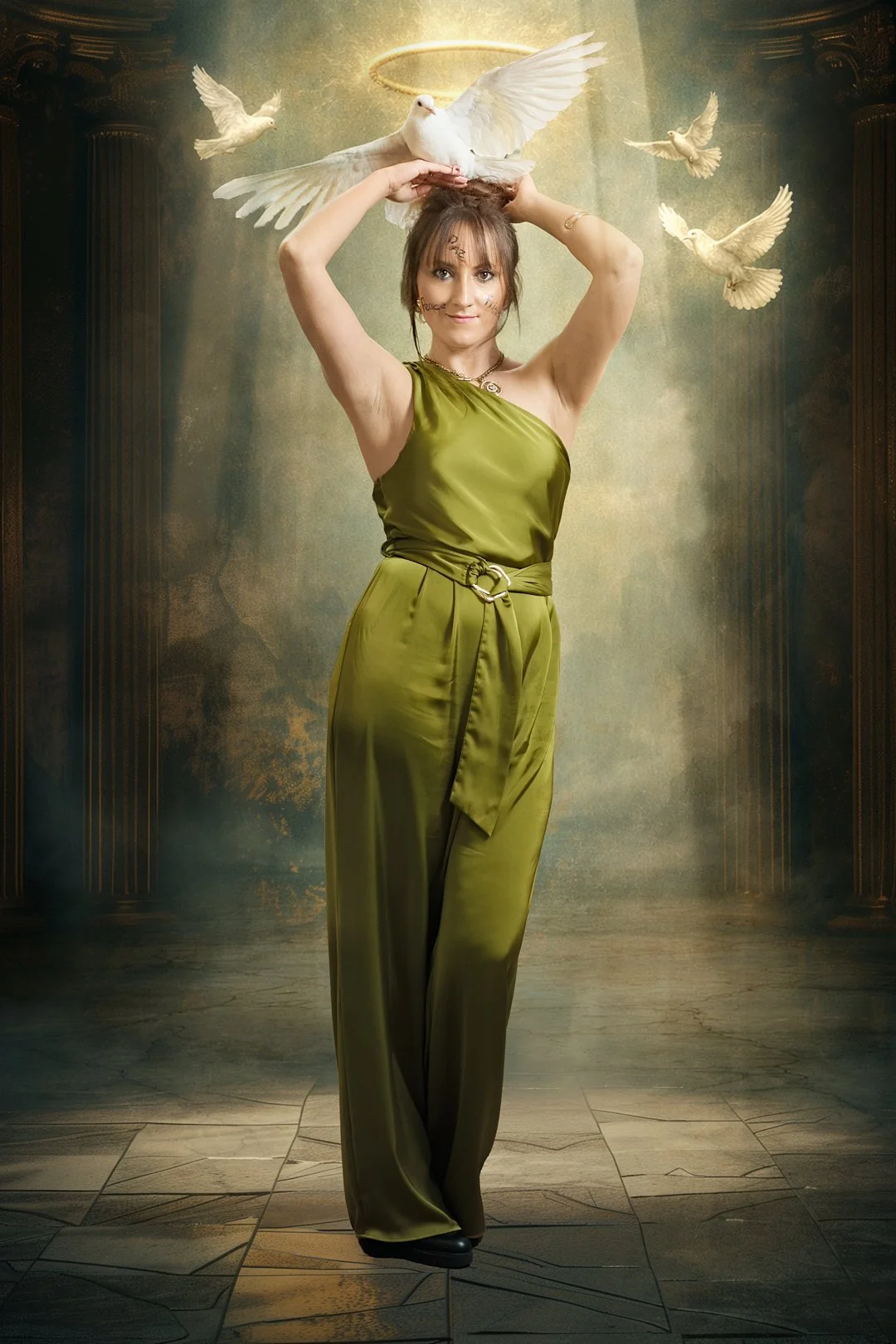

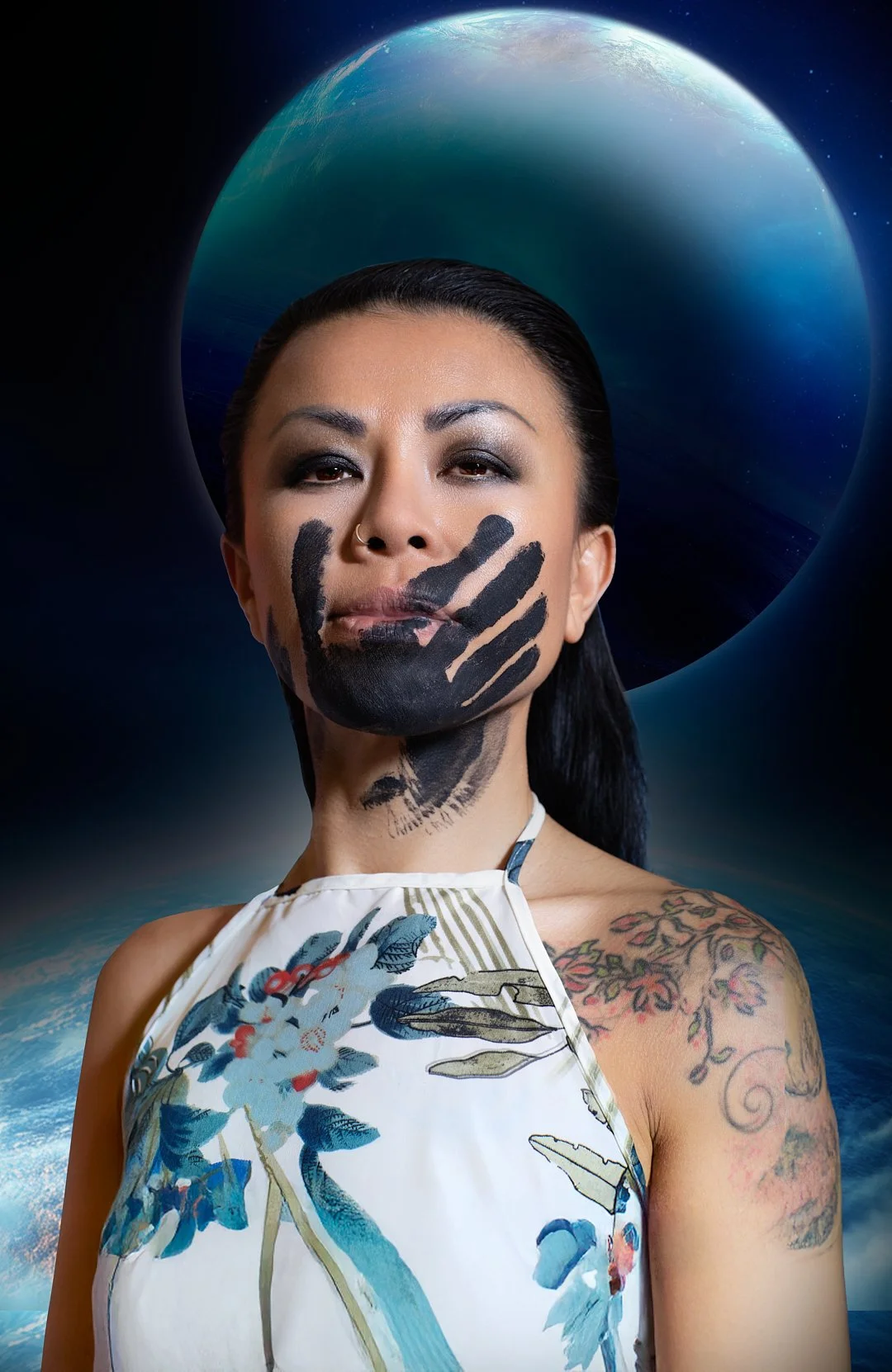
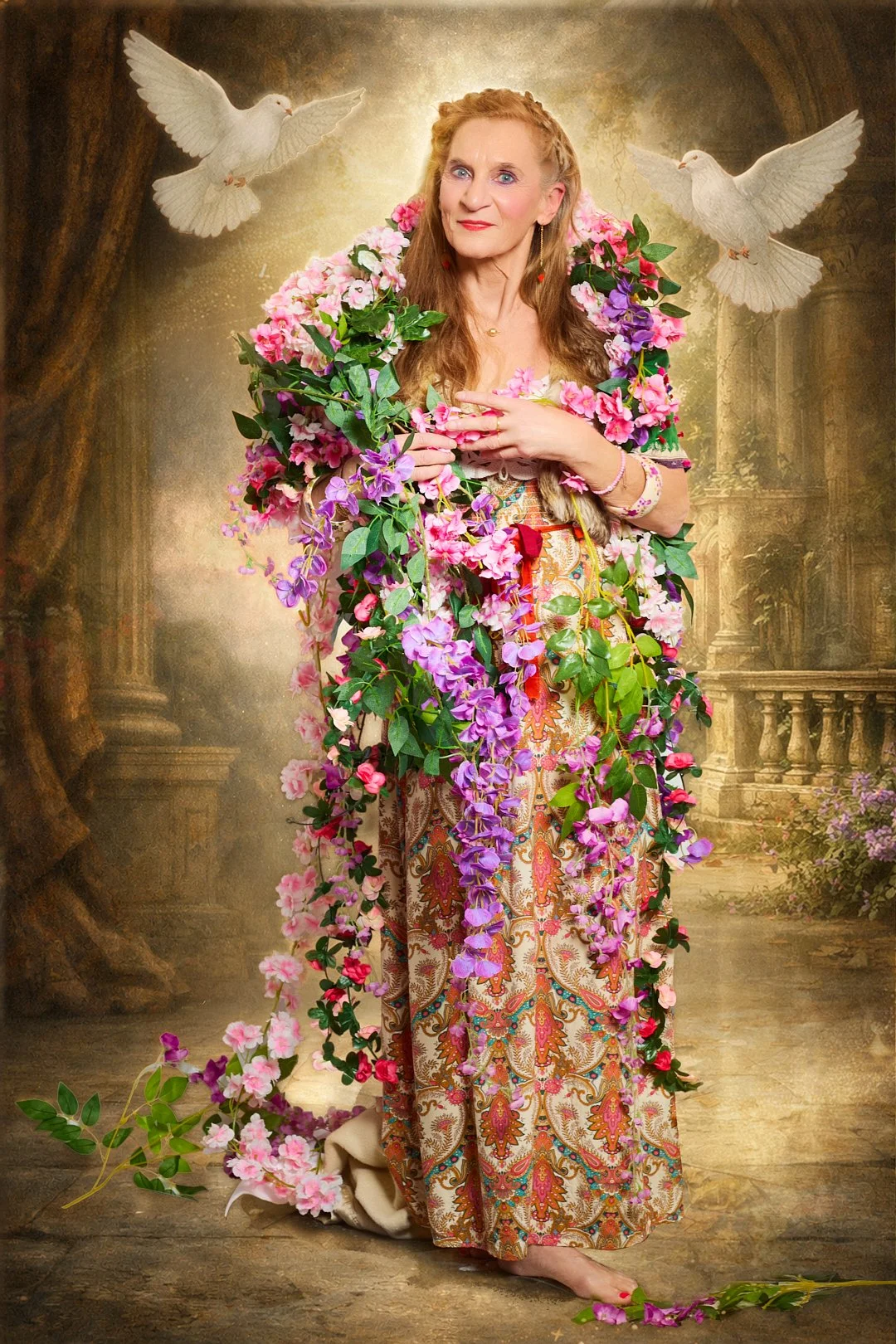




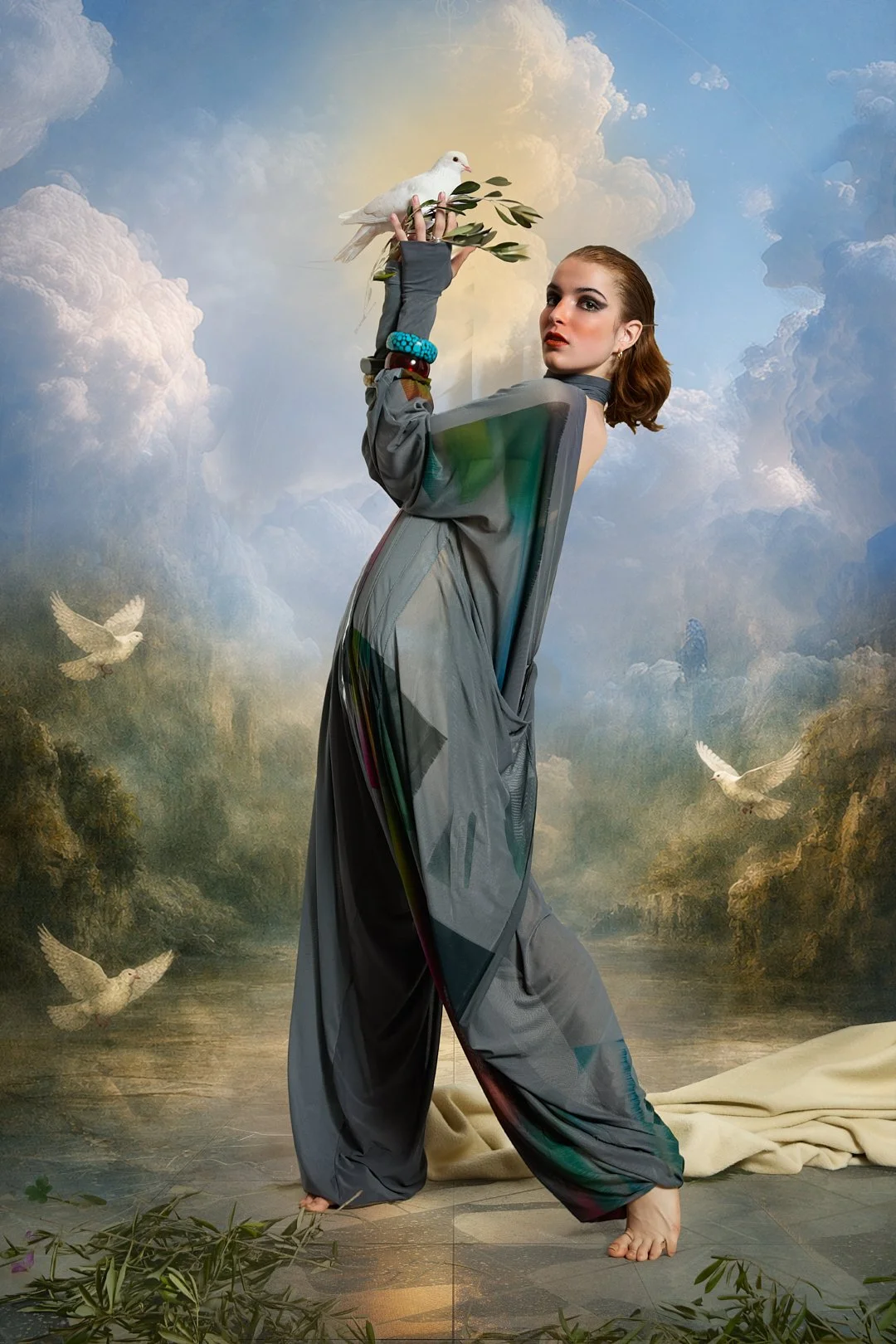

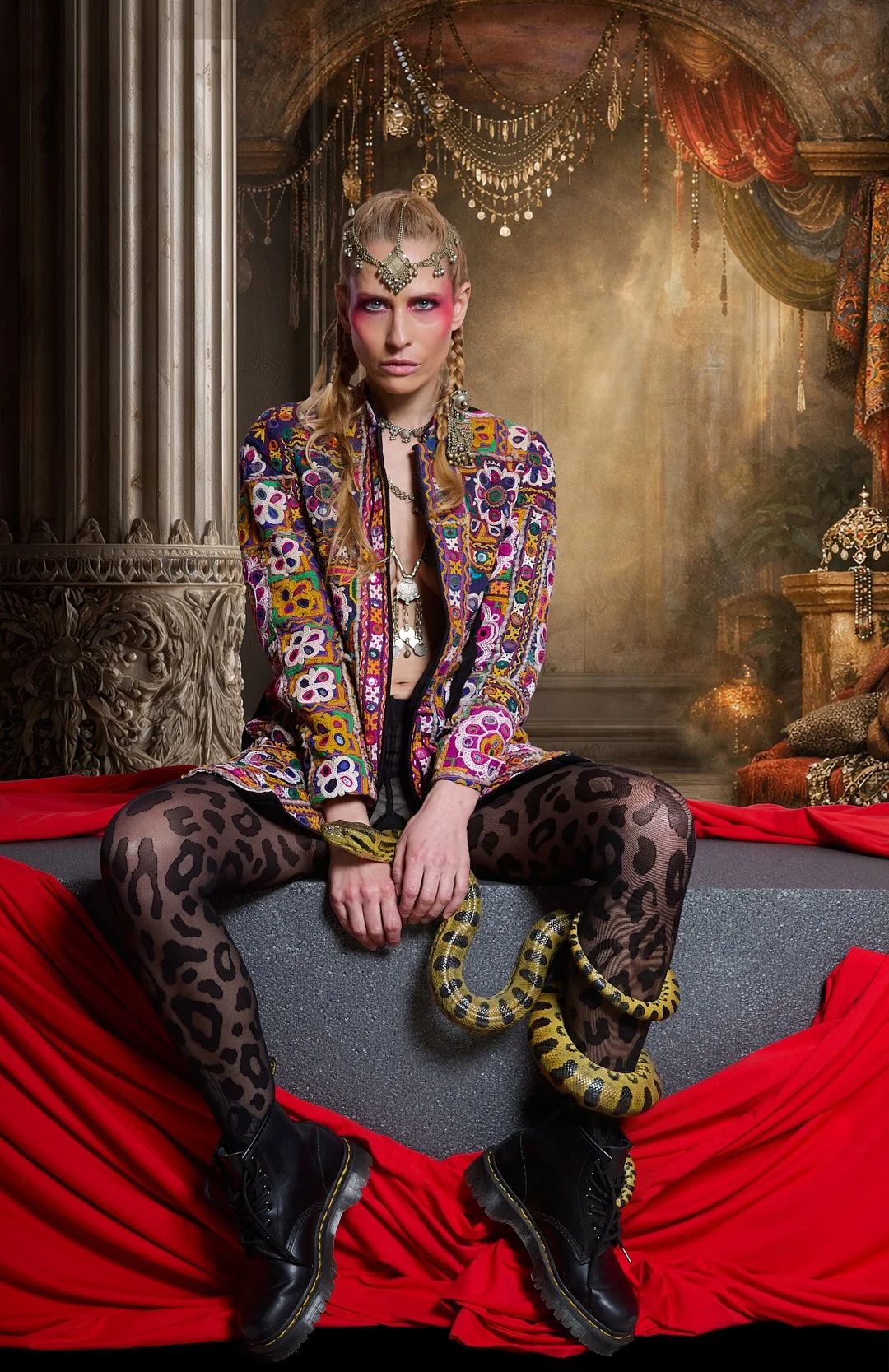
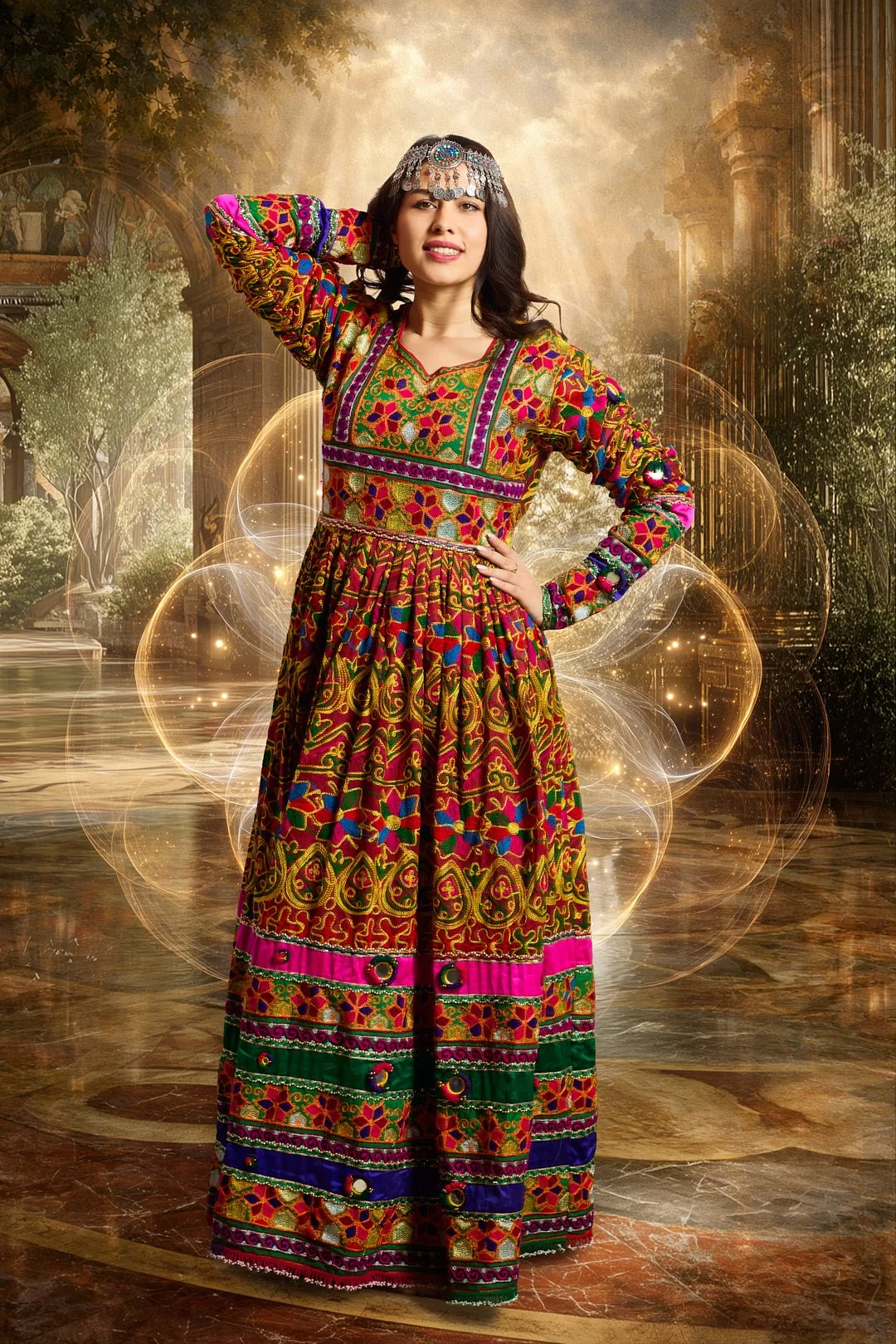

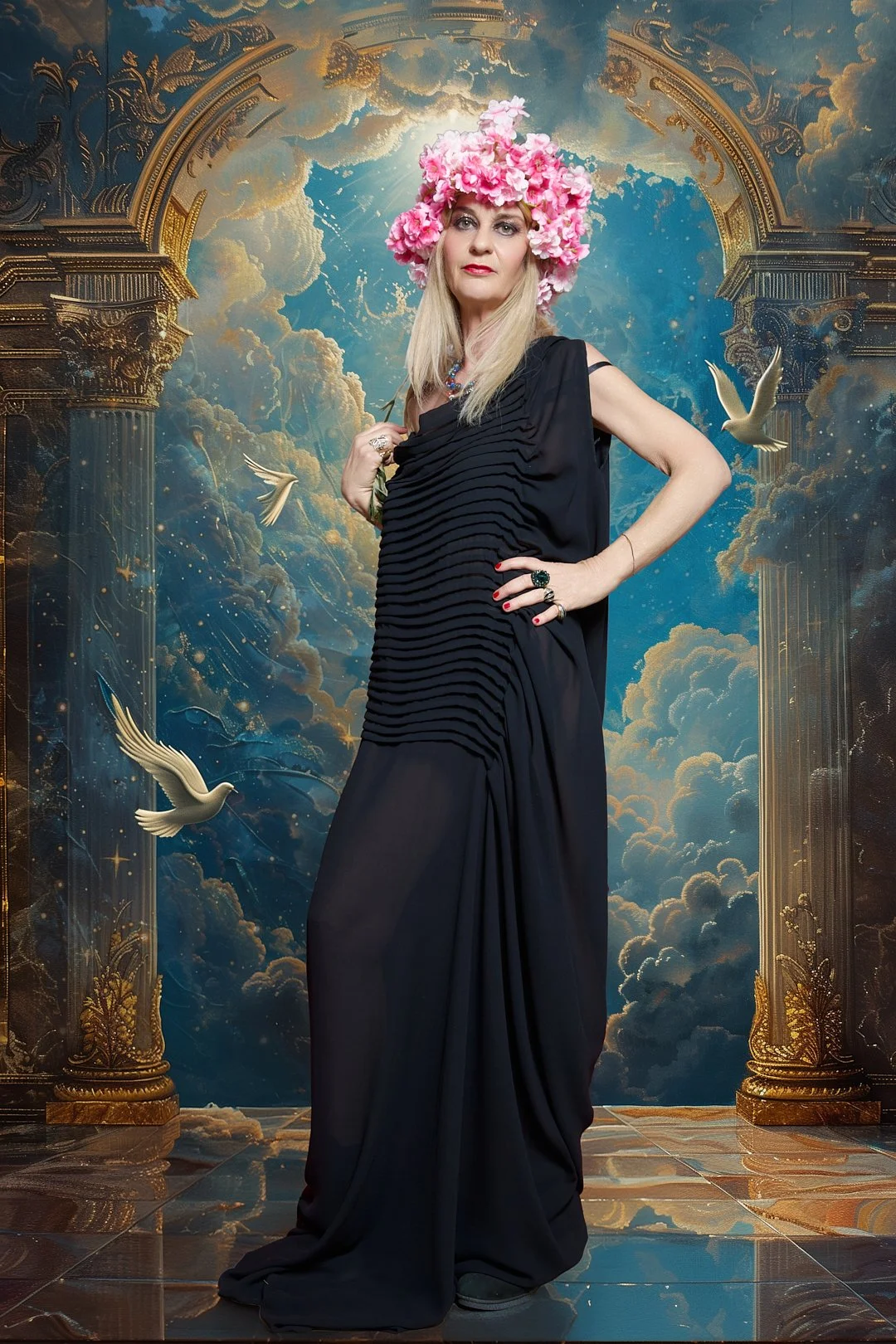


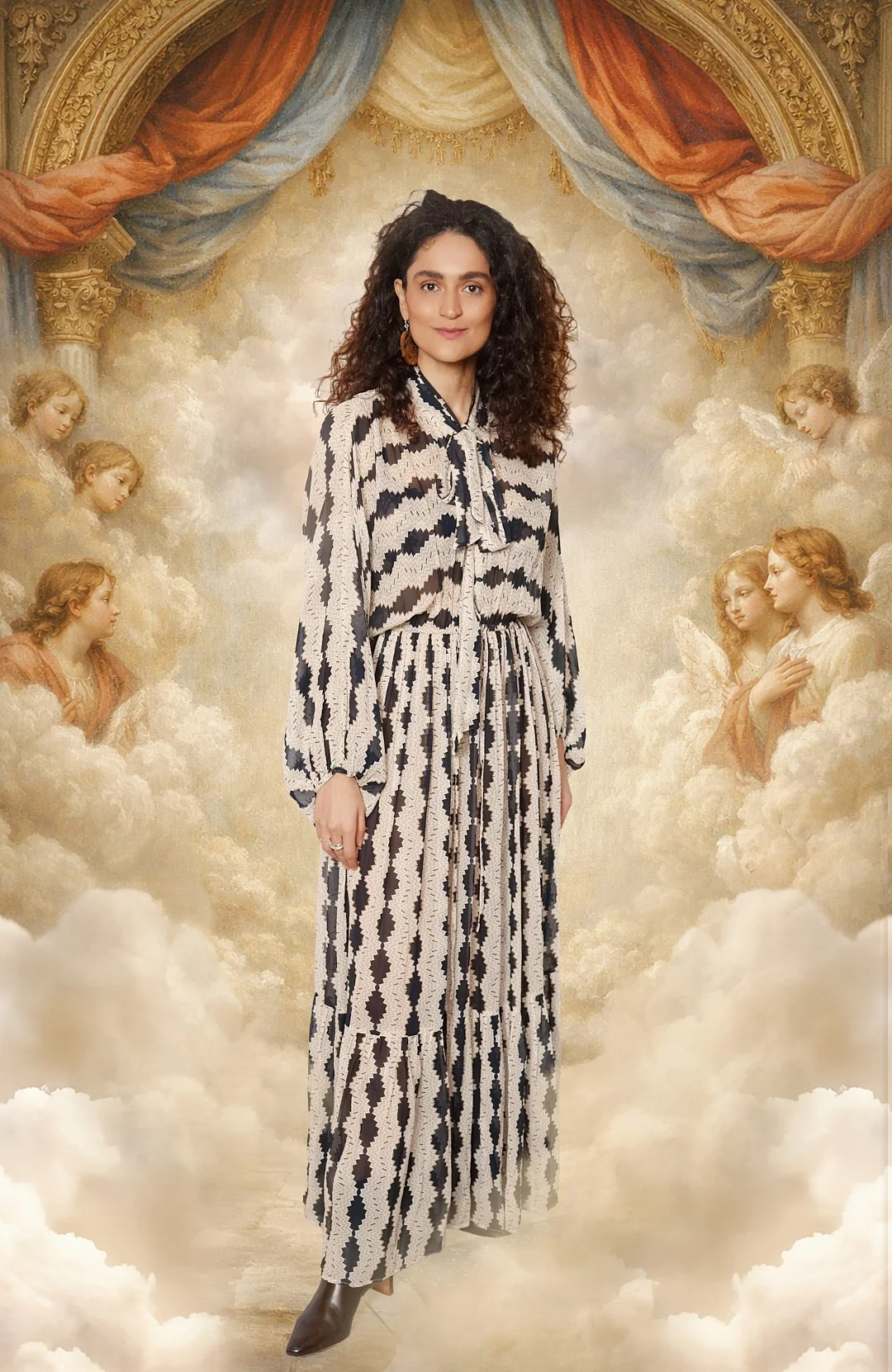
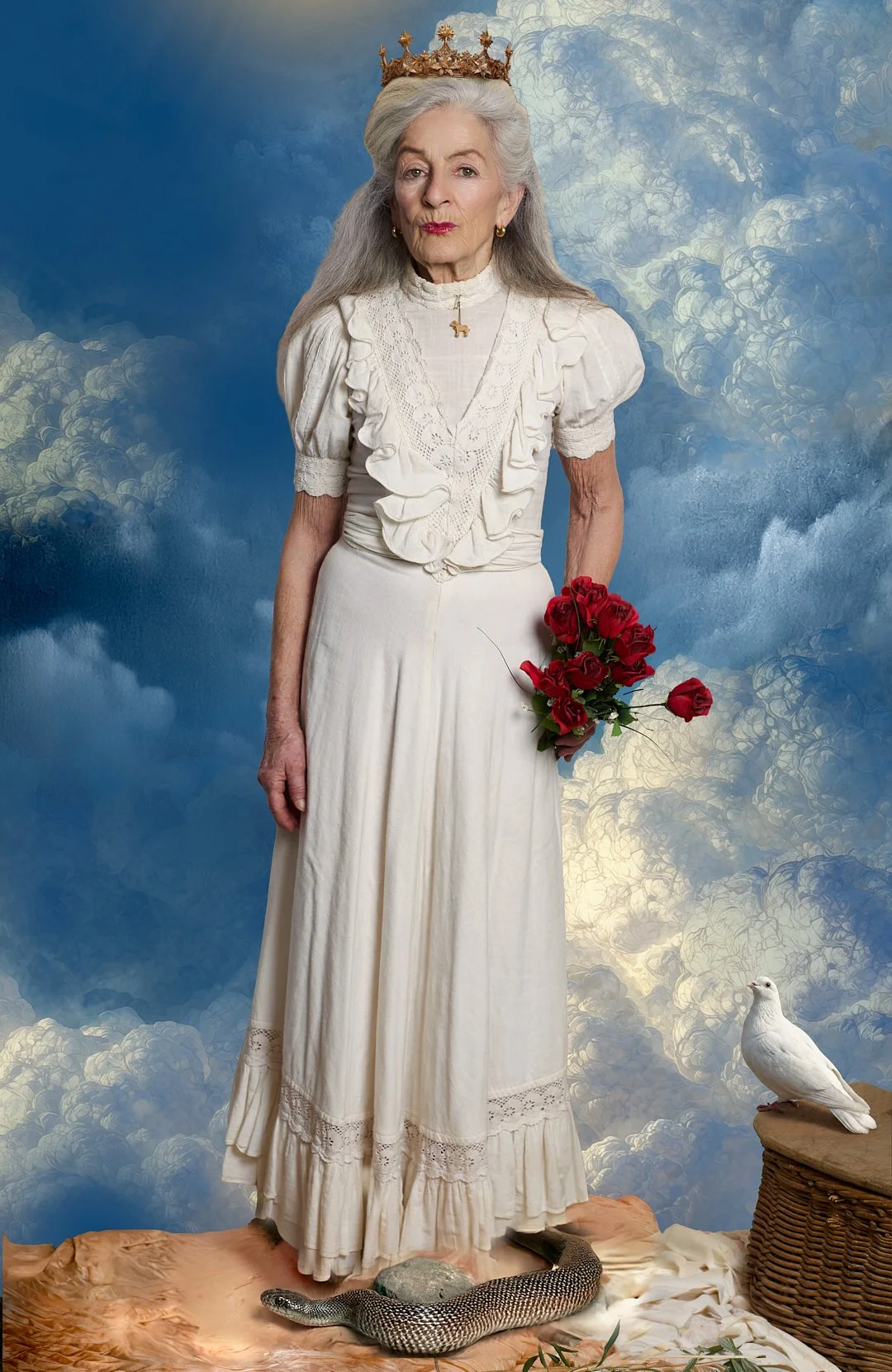

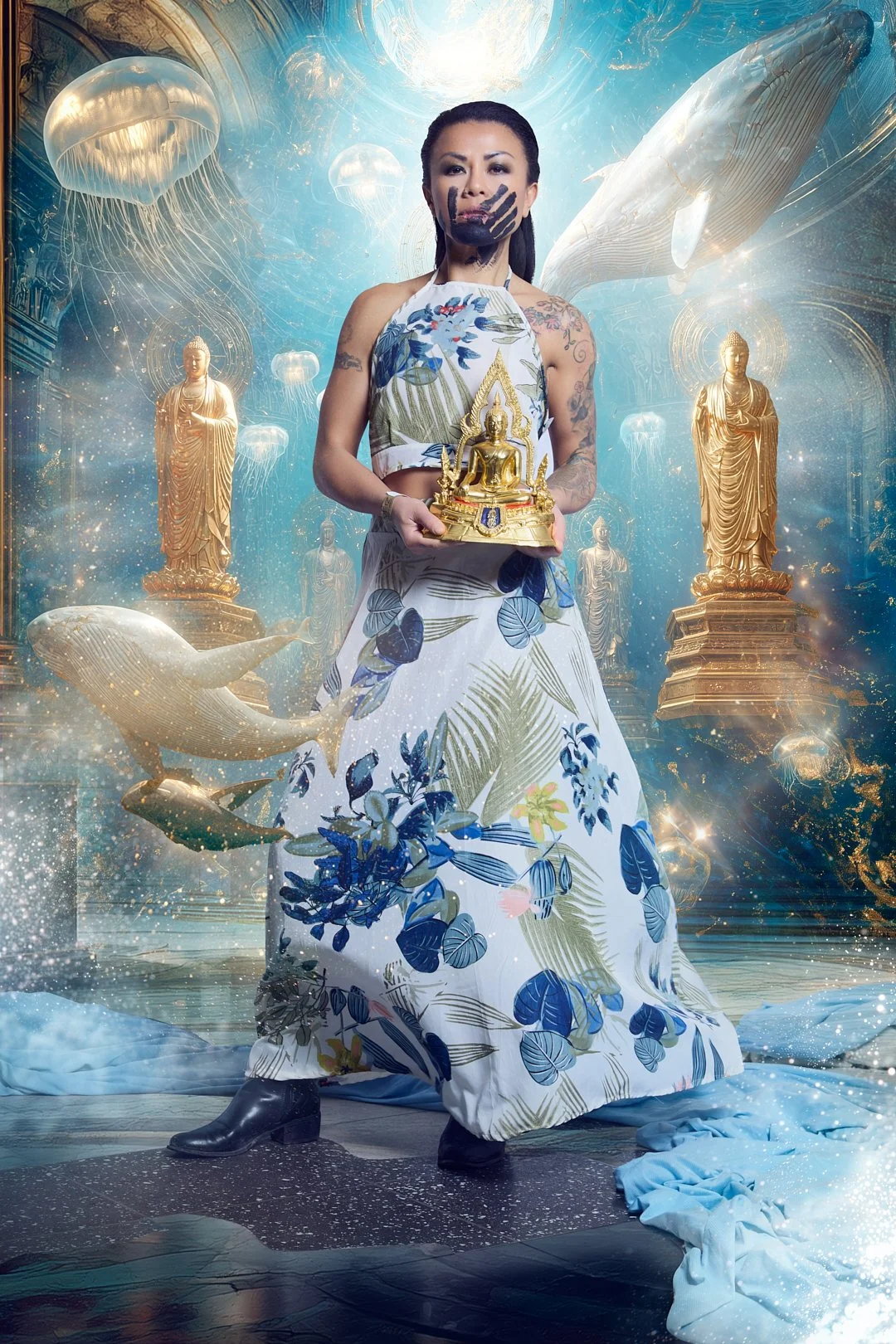


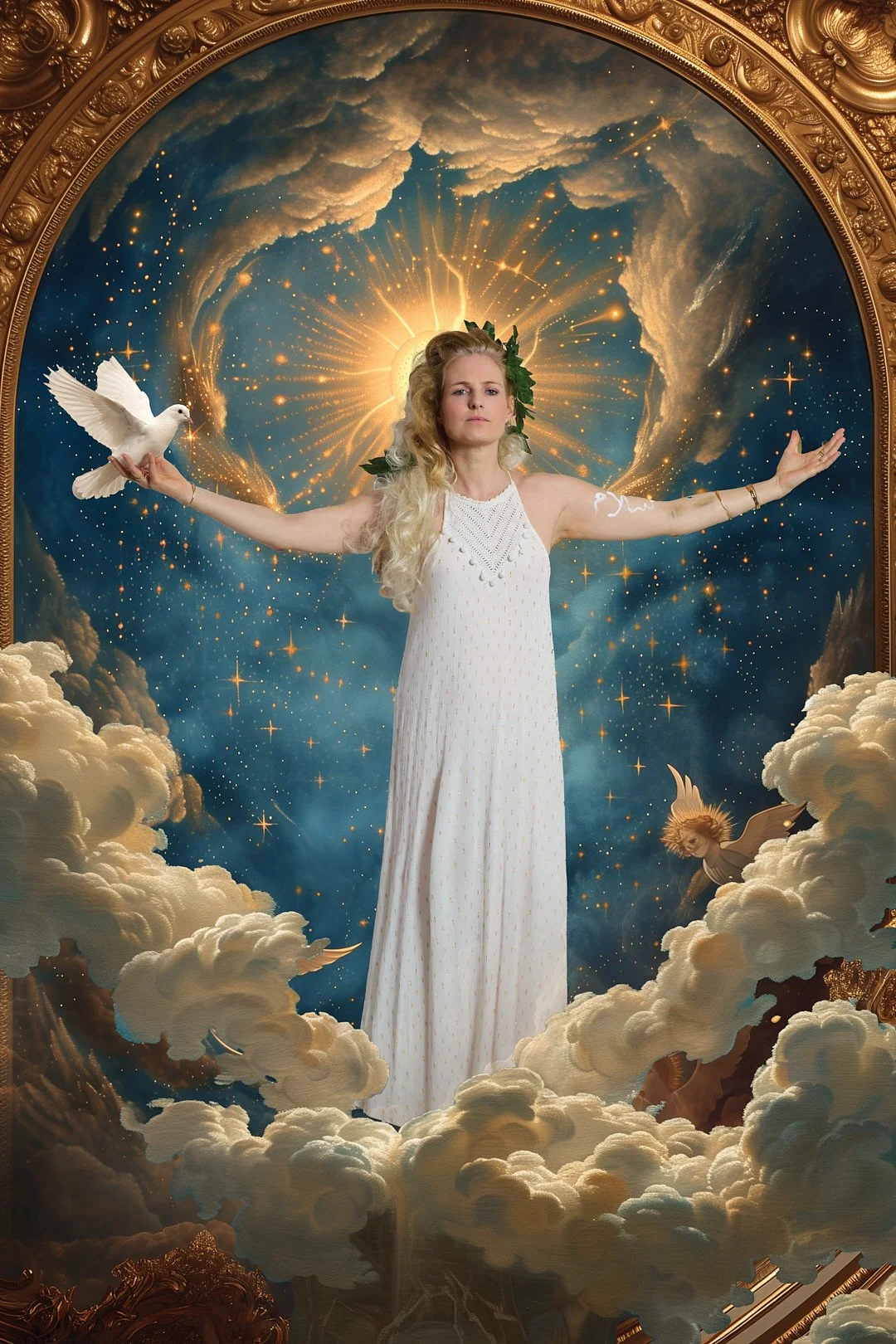

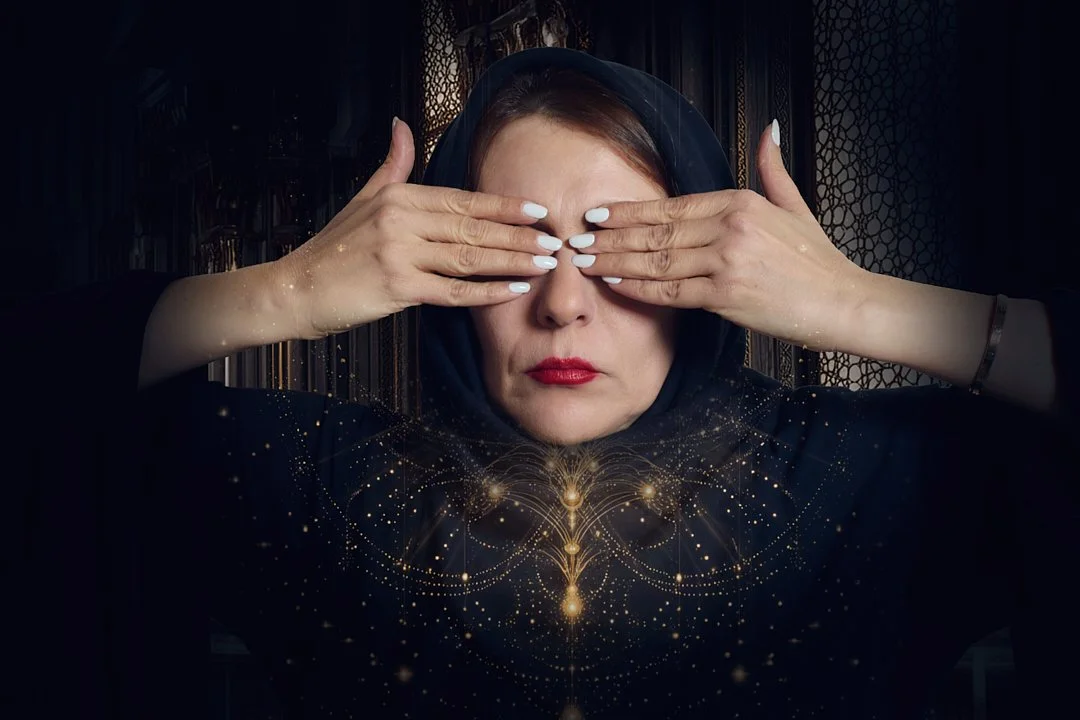
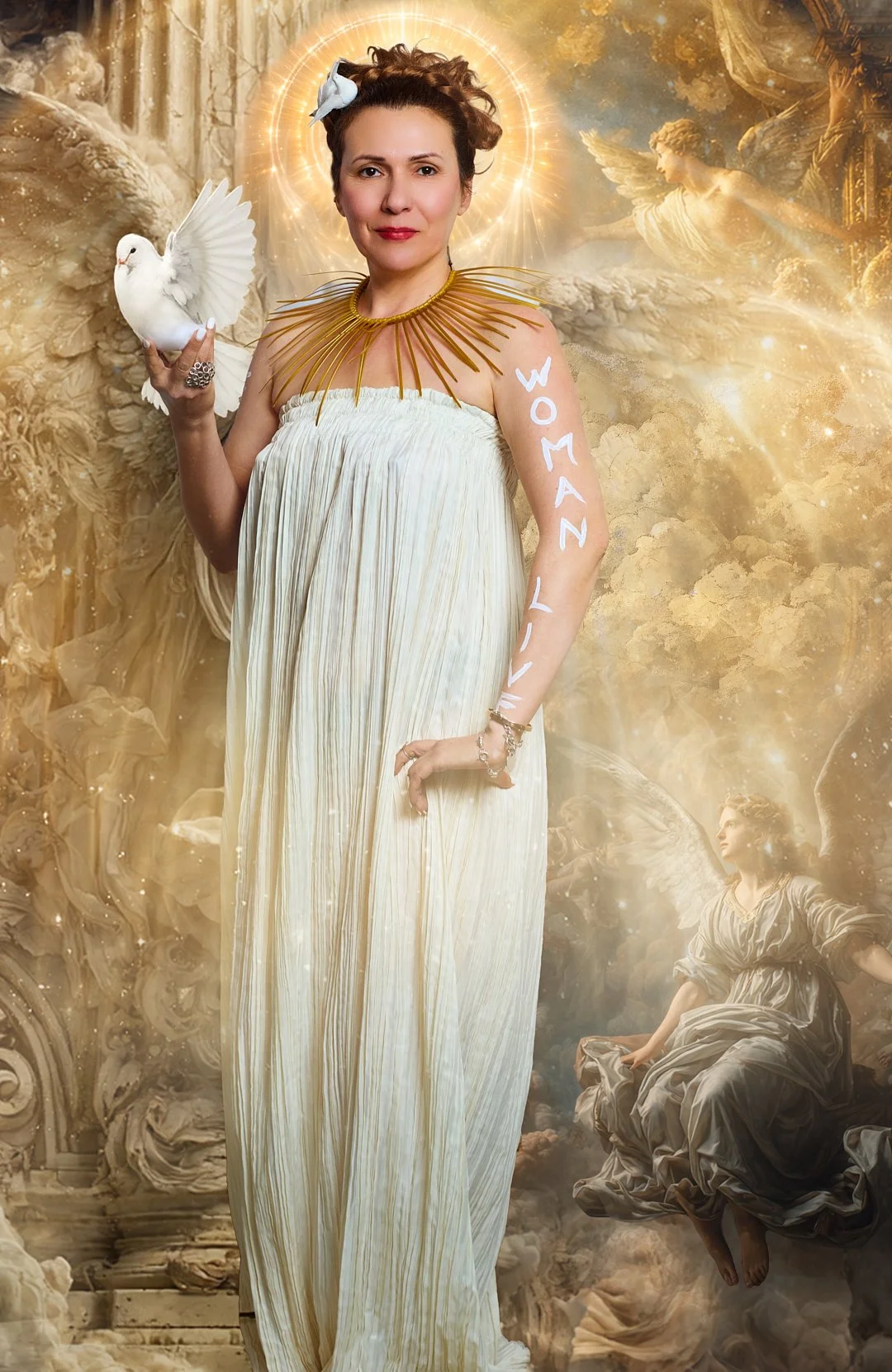

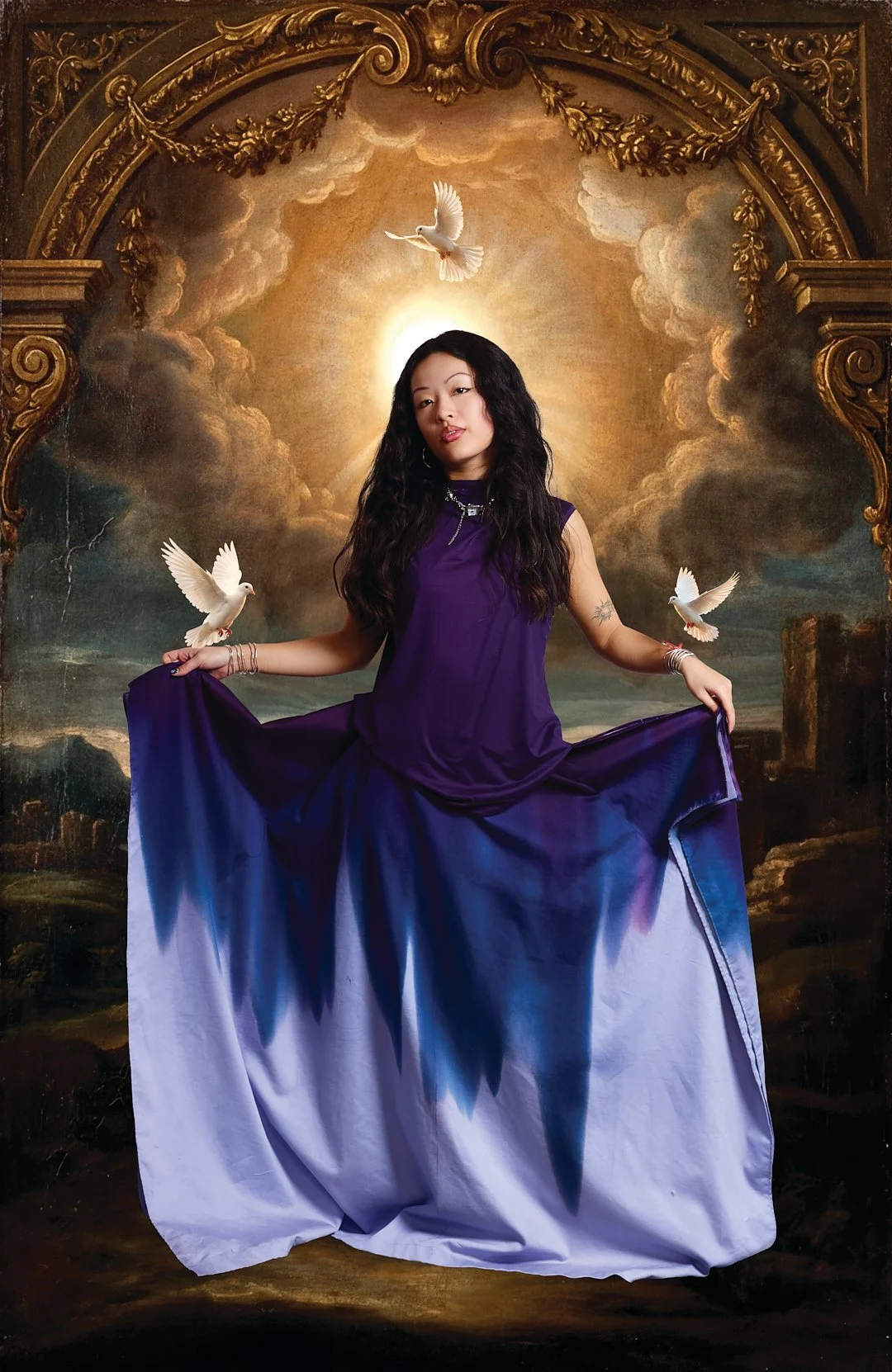





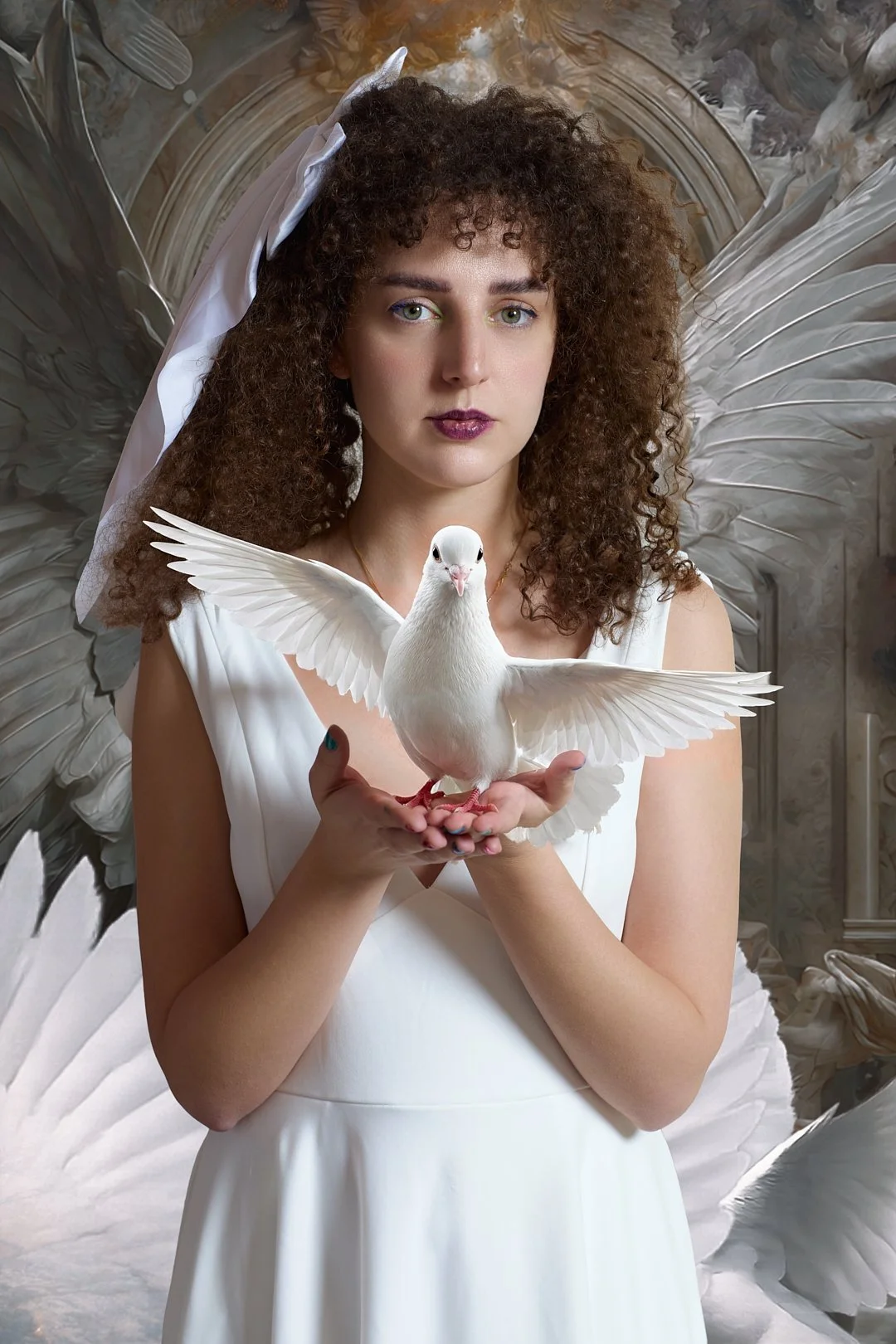

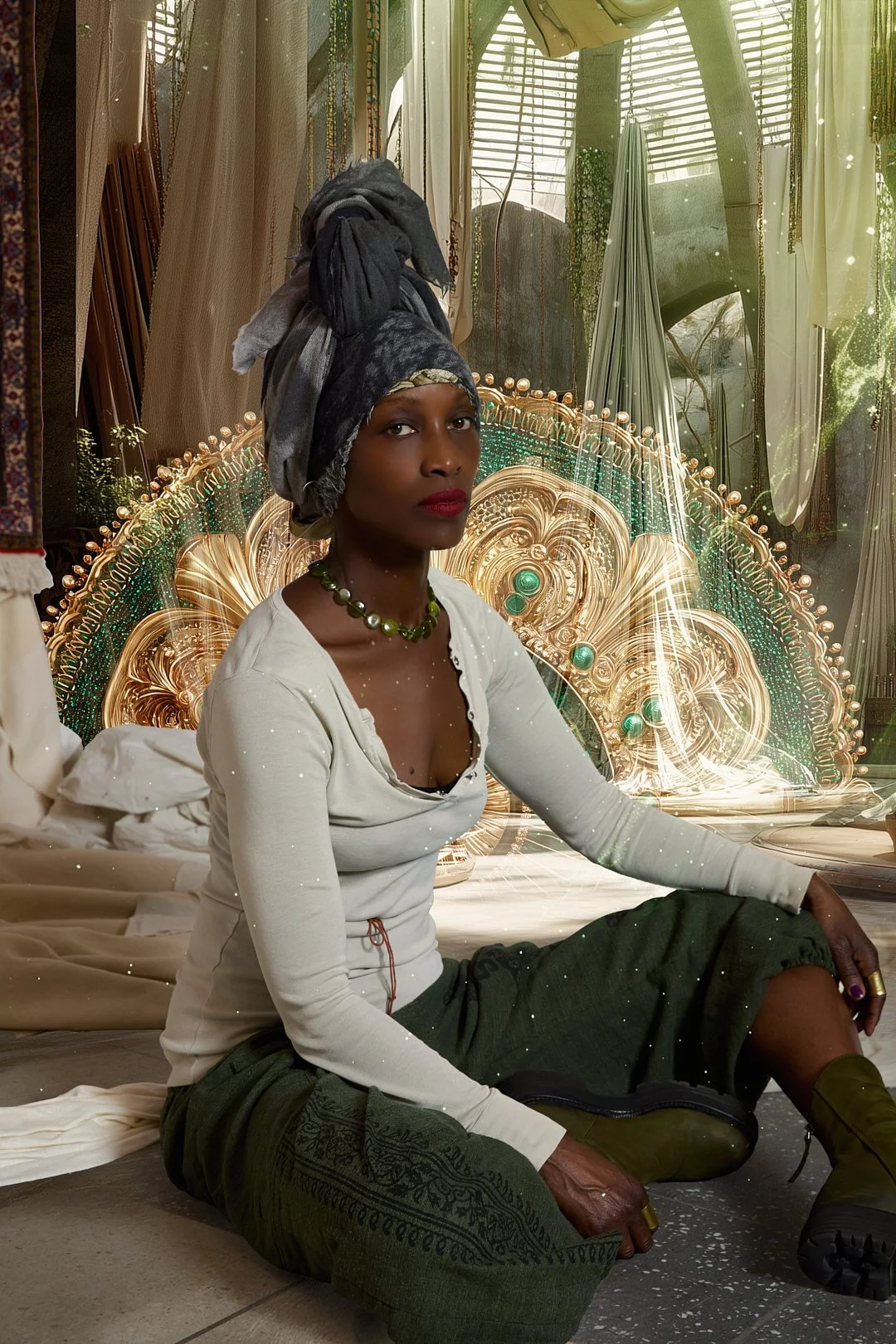
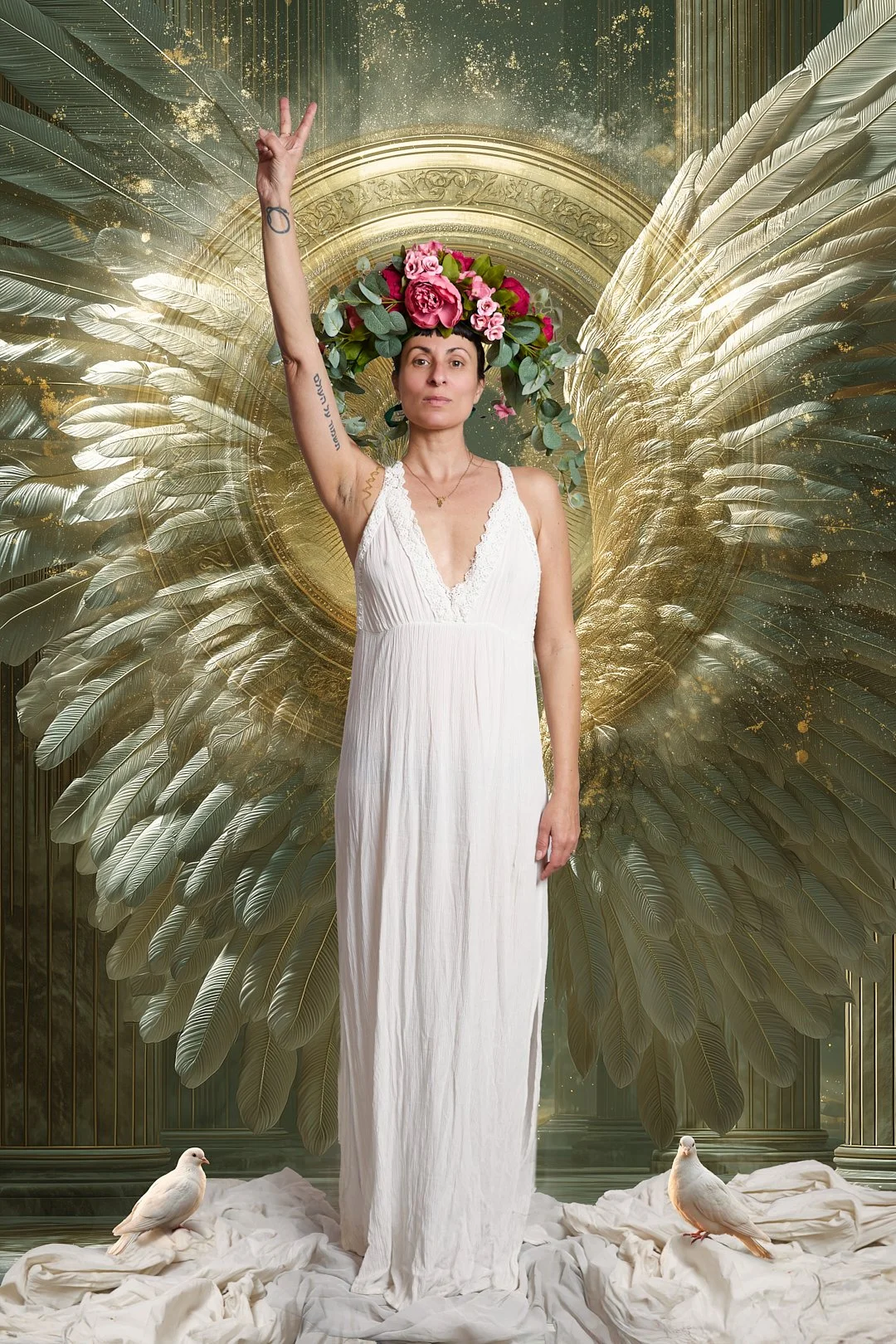
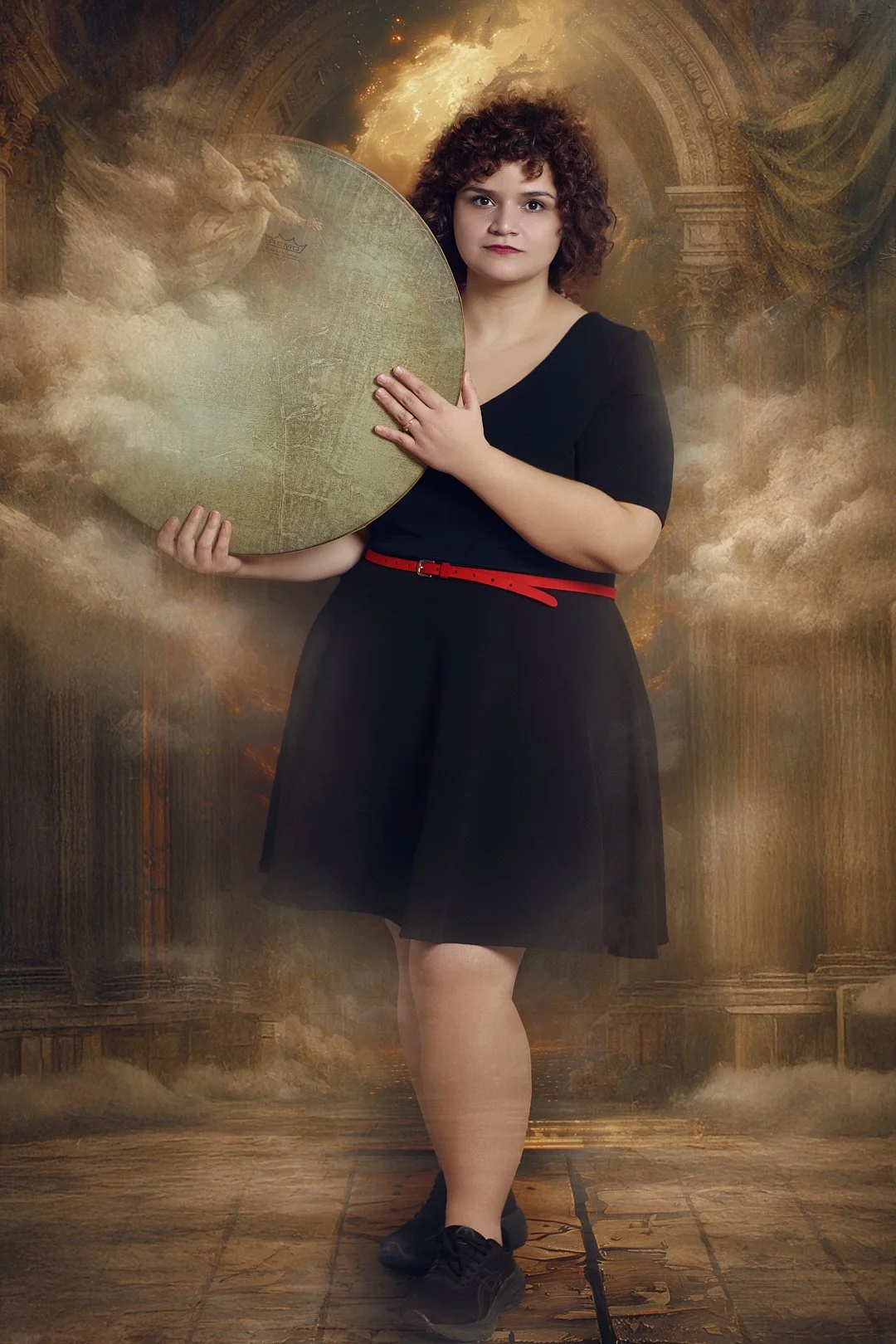
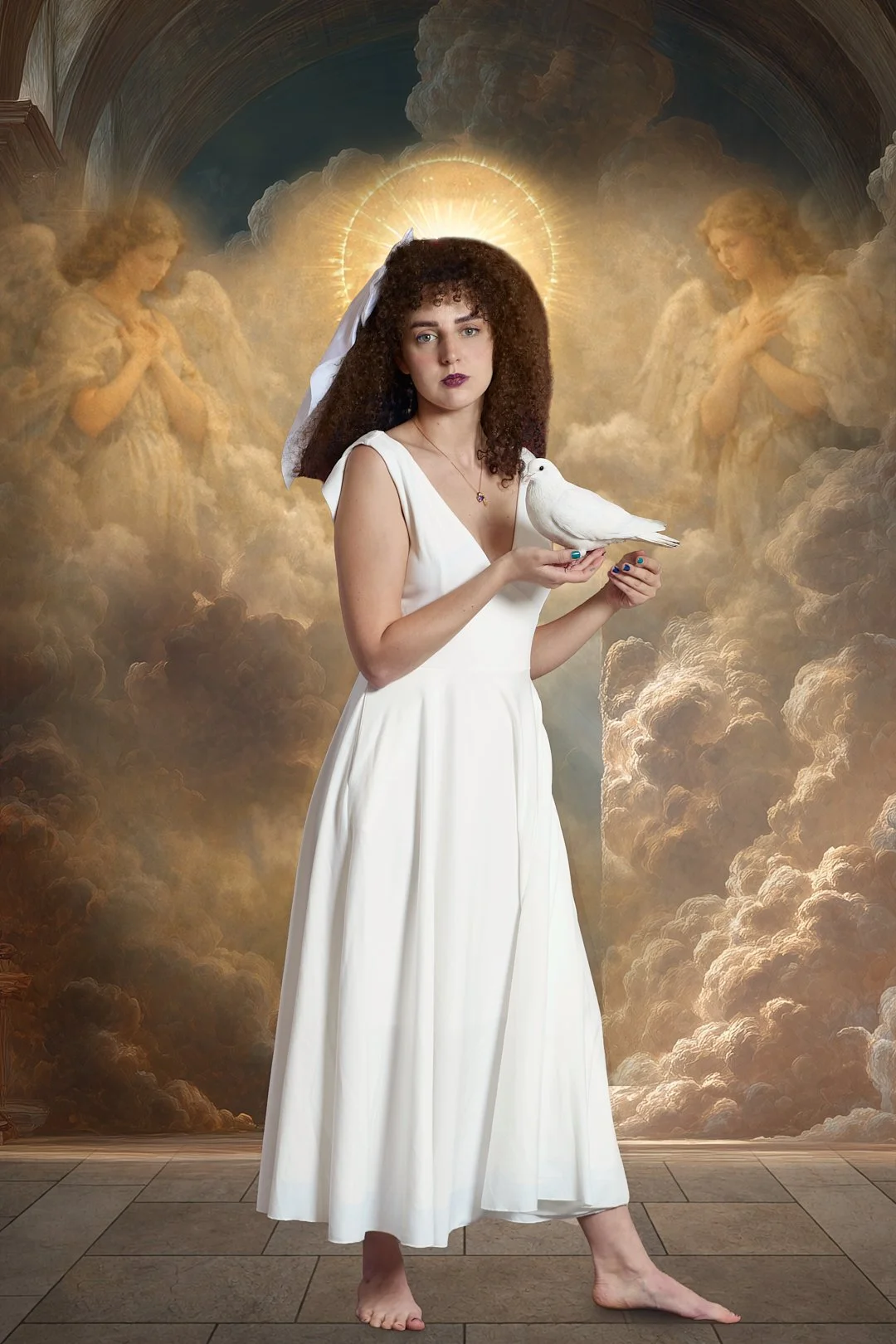
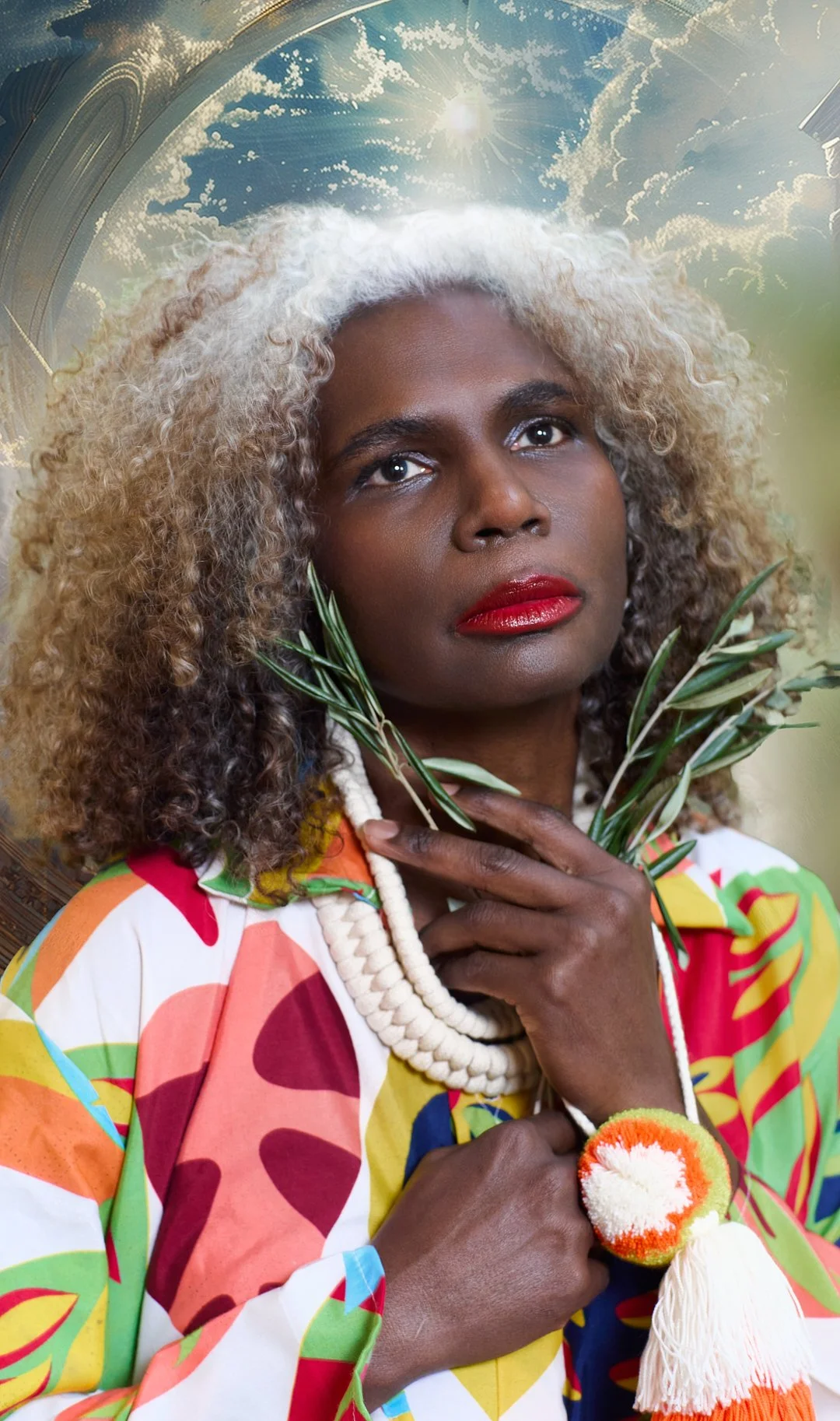
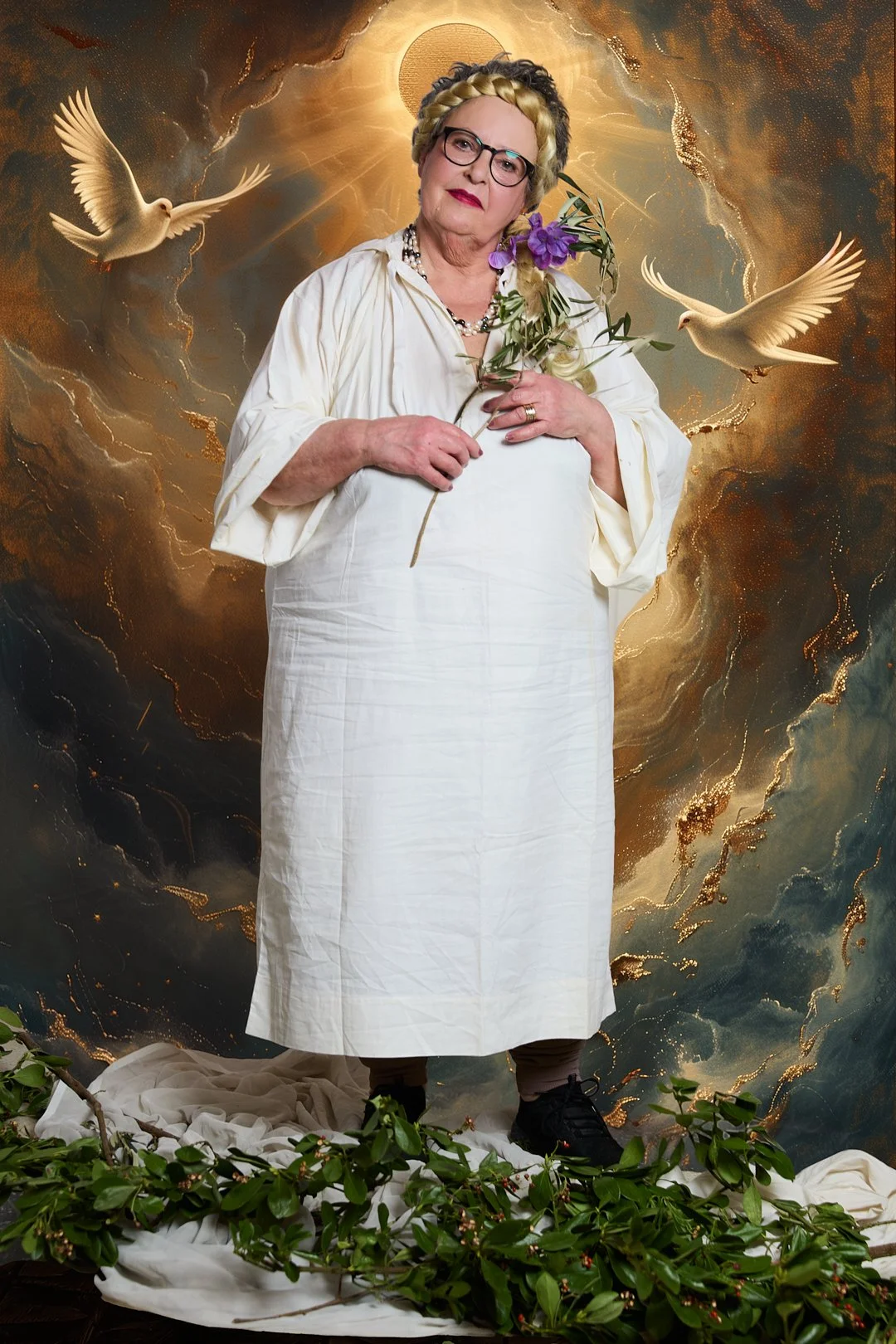


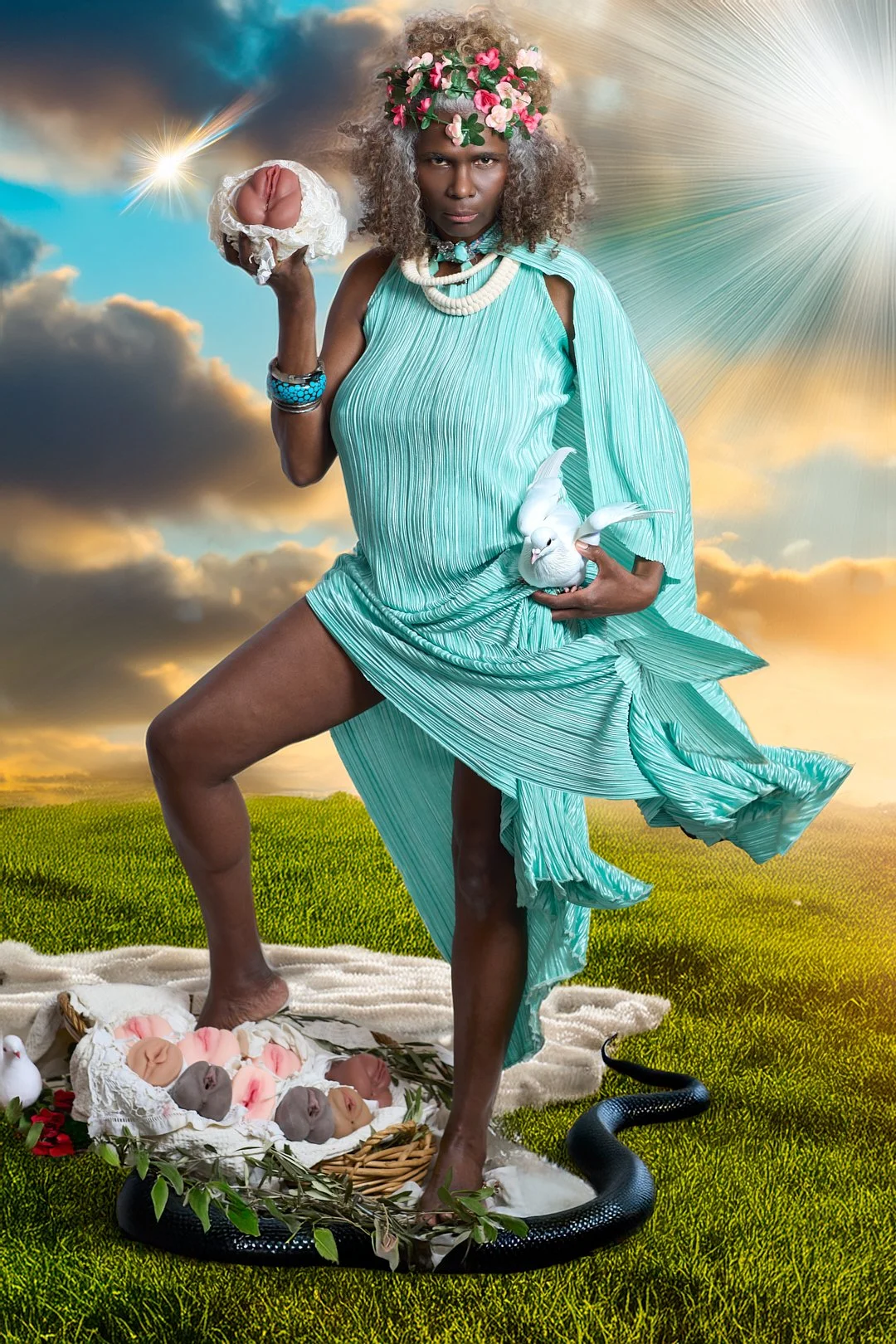
“ The Cross of the Peace Madonnas” , Kongresshaus , Zürich 2026
Length: 6 meters ,Composed of 10 anodized aluminum panels (100 × 65 cm each) , Double-sided print (recto-verso) ,
Produced using Data-Print-Alo technology by Mantel Digital AG www.mantel.ch · www.artecal.com
The centerpiece of the installation is the Madonna of Menstruation. Brosch positions this work as a radical reclamation of the natural female bodily cycle, highlighting how the flow of menstrual blood—a vital, cleansing, and life-sustaining process—has been suppressed, shamed, and hidden for centuries. She argues that patriarchal structures have historically instrumentalized and controlled blood, transforming it into a site of violence and religious sanctification, while erasing its ordinary, natural, and essential significance in women’s lives. By foregrounding menstruation, Brosch confronts societal taboos and reasserts the body as a source of agency, ritual power, and feminine knowledge. Blood, long central to symbolic and social structures, is here restored to its rightful place: as a natural, vital, and transformative force rather than a source of shame or concealment.
The Madonnen — Past. Present. Future.
The Madonnen — Past. Present. Future.
In The Madonnen — Past. Present. Future., the historical image of the Madonna is radically repositioned within contemporary feminist discourse.
For centuries, the Madonna functioned as one of Western culture’s most powerful visual constructions of womanhood. Codified by Renaissance painters such as Sandro Botticelli and Leonardo da Vinci, she embodied purity, obedience, devotion, and sacrifice. Elevated to sacred status, the image simultaneously idealized and controlled the female body.
This project disrupts that tradition.
Women of today wear reproductions of historical Madonnas, merged with their own contemporary images, created t-shirts by Swiss designer Adam Brody and photographed by Iris Brosch. In this project, the model becomes her own Madonna — past, present, or future — embodied on the T-shirt she wears.
The sacred icon is transferred from canvas to fabric, from museum wall to urban space, from passive representation to active embodiment. What was once framed, frozen, and idealized now moves, breathes, and asserts itself in the world.
By wearing these images, women reclaim the Madonna, transforming her from an object of devotion into a living statement of autonomy, strength, and self-definition. Past conventions are disrupted, and the icon becomes a platform for radical reinterpretation: a dialogue between history, the present, and the future of female empowerment.
The Madonna is not used as a religious symbol, but as a cultural one. Centuries of idealized femininity were projected onto her — now women reclaim her image, merging past and future with their own presence. From canvas to T-shirt, the sacred becomes self-authored, alive, and radical.